Plants covered our Earth in lush beauty millennia before the first animals appeared, according to the fossil record. The first humans discovered that plants could feed them, heal them, provide tools and shelter, delight them with beauty, and that psychotropic plants opened the doors of perception so man could gain knowledge and grow wise.
Our ancestors lived in close relationship with the plants growing around them. Cultures developed and flourished as early man learned to cultivate and tend plants. We find this same story on the cuneiform clay tablets discovered in the ruins of ancient Sumerian cities, just as we find similar stories in the histories of cultures across the ancient world.
Native Americans called corn their mother. Ancient Greeks believed their great god Dionysus lived in the juice of the grape vine and communicated with them through their wine. The Eleusinian and Dionysian mysteries transformed those who accepted their training and drank the plant based sacraments in ancient Turkey and Greece. The ancient Celts honored the Oak Kings and the Holly Kings growing in the forests of Europe. Mexican and Mesoamerican shamans believed the spirits found in peyote and certain mushrooms and vines were their allies and teachers. They honored them as divine spirits.
Our ancestors lived in relationship with the many plants growing around them. They honored them and were careful to insure their future productivity. They cared for the soil, selected and saved seeds, developed adaptive agricultural practices, and planted trees and vines, harvesting and pruning them in season. The fruits of the Earth were their main source of wealth and security, healing power and cultural innovation.
The key to their success was the relationships they nurtured with plants. Our ancestors recognized the spirits of animals, plants, and place. Their animistic philosophy demanded that every creature be treated with respect and reciprocation. In this way, balance was usually maintained. Wildlife remained abundant and crops productive. When the balance shifted and the natural world no longer provided for a clan’s needs, our ancestors questioned themselves and looked for their own fault that created the imbalance.
This sense of appreciation, wonder, and stewardship has dwindled among cultures in our modern societies. It remains alive and well in indigenous communities. Indigenous communities express the most horror at the level of pollution and environmental destruction which have thrown our plant Earth out of balance since the Industrial Revolution of the 18th Century.
Those groups reviving the Northern European nature based Celtic faith systems have also revived an animistic approach to the plant and animal kingdoms and to the Earth itself. In cooperation with indigenous people in the Americas, Africa, Asia and the Pacific Basin, the Arctic and Australia, they work to restore the balance and help more and more people ‘wake up’ to a greater understanding of man’s responsibilities to our environment. Modern Druidic groups offer tremendous resources, and require specific commitments, from students progressing along their paths.
For too many decades now, many of us have expected to exploit and profit from Earth’s resources without giving back. We have minded our own business and lived with blinders to the larger picture, buying, using and discarding without giving consideration to the real costs of our lifestyle. We have developed and used weapons of mass destruction, damaging, and polluting our planet on a cosmic scale. It has taken rafts of plastics floating in the oceans, erratic changes to our climate, epic storms, sea level rise and mass extinctions in our remaining great forests to command our attention and move us to some action.
Taking and using constantly, without reciprocating or investing in the future is like the behavior of a small child who has not yet learned from their elders how to behave responsibly. But what action can we take as individuals? What can we realistically do ourselves when the problems have grown so great?
Let’s first take an honest look at what it appears we can do and what we feel like we could do if we had the opportunity, and then look for a direction that will enable us to make our own positive change, our own positive difference in the world.
While most of us might feel awkward speaking words of thanks to a tree in our yard for its crop of apples or nuts, we can ask, and listen intuitively, for ways to express appreciation (mulch? water?). Individually, we can try to find ways to reduce the resources we take and increase the care we give to every living creature and aspect in our natural environment.
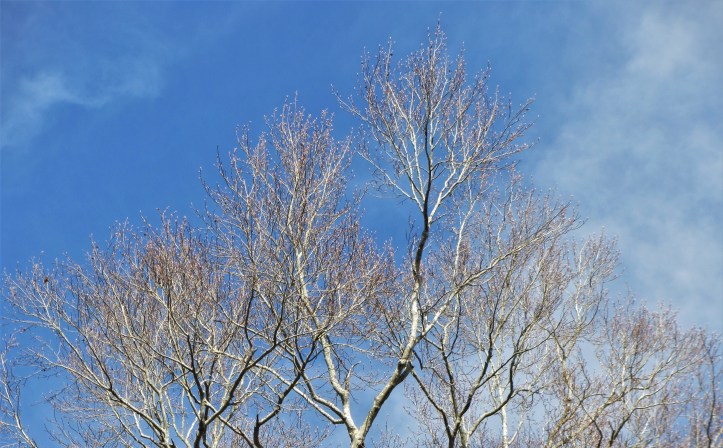
According to a recent study led by U.S. Forest Service researchers out of Portland, Oregon, the more trees planted in a neighborhood, the longer people live. Researchers assembled data to prove that living in harmony with nature increases our personal happiness, health, and sense of well-being. This recent study correlated the number of trees growing in neighborhoods with the death rates of those living nearby. The more trees, the fewer deaths. People living in forested neighborhoods simply live longer than those in cities or other areas with few trees.
Planting a tree is one of the most powerful actions any of us can take. Trees provide shade, clean the air, filter and recycle stormwater back into the atmosphere, produce oxygen, host insect larvae and birds, and make our corner of the world more beautiful. Contributing to one of the many organizations dedicated to replanting trees in areas devastated by storms or fires makes an even greater impact. They heal the planet.
If we can plant several trees at home, and landscape the area around them with productive shrubs and various beautiful plants, all the better. The more biodiversity we nurture around our yard, the healthier our environment becomes. Even patients in hospital respond to treatments better and recover more quickly when they can see trees outside of their windows, according to numerous studies.
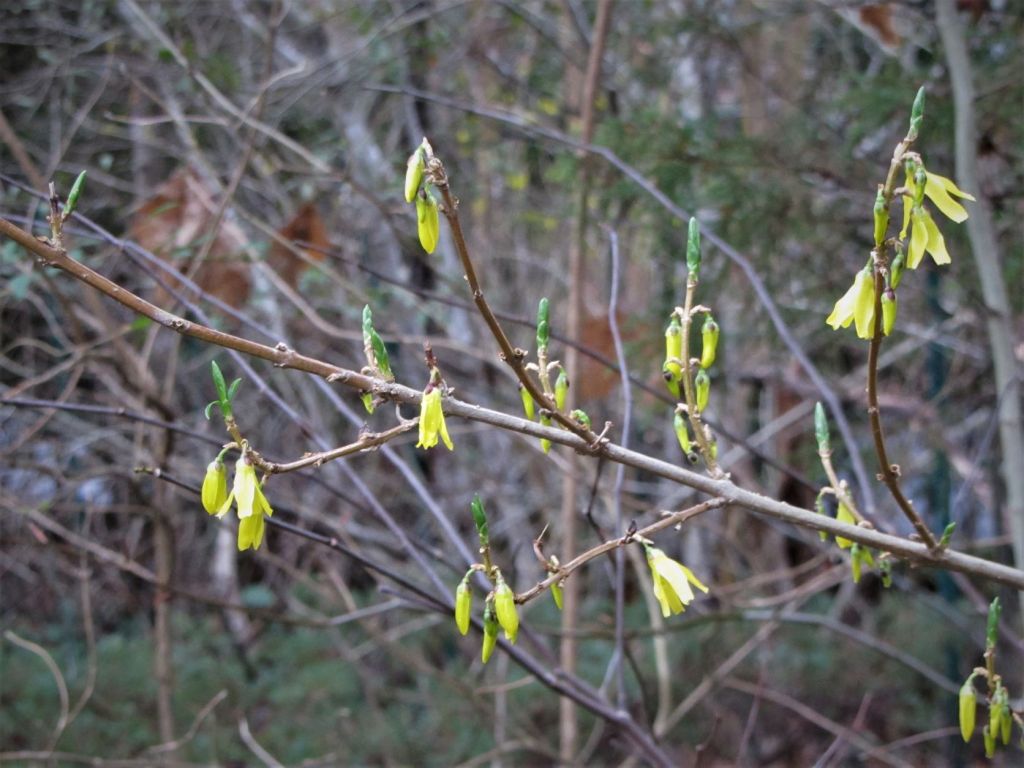
Plants can absorb and sequester a chemist’s cabinet full of toxic substances from the air, soil, and water. Planting trees, ferns, wetland perennials and replacing lawns with flowering herbaceous plants starts the process of cleaning up the mess already made. When we commit to stop using chemicals in our gardens, and reduce the emissions from our personal technology, we go a step further to restoring health and balance to our world.
The Washington Post published the article, “Ten Steps You Can Take to Lower Your Carbon Footprint“ in February of 2022, which offers additional, concrete ideas. The biggest, most important change may be the one we make to our own way of thinking about the world. We can sharpen our vision of how things really work, and the many ways we personally impact the world for good and for ill. Thoughts and motivations matter. Taking a first step towards environmental responsibility creates a quantum shift in our own awareness.
Whatever we are doing now, there likely is a better way to do it. Any improvements we make in how we relate to our environment is another step in the direction of healing and rebuilding broken relationships between man and nature.
And it is a relationship that we have historically taken advantage of without much consideration. We want to bend the environment to serve our own wants without giving a thought to what may be destroyed in the process. We can see it when the Brazilians destroy hundreds of acres of rain forest to build something on the land. We may even express a bit of outrage. But we don’t object when trees are cut to widen the roads we travel or to build a new neighborhood in our community. We may not even comment when our neighbor cuts the trees in their yard for whatever reason they may have, even when it affects our shared ecosystem. We are timid of what others will think, aren’t we?
Our perspective remains very human centered, with consideration of our own needs having priority. We need to shift our thinking to realize that environmental preservation isn’t a hobby. It is crucial for our own survival on this planet in the midst of so much ecological change. Seeing the streets in our community flood from sea level rise should be enough to command our attention. But when the waters recede, out attention may wander again.
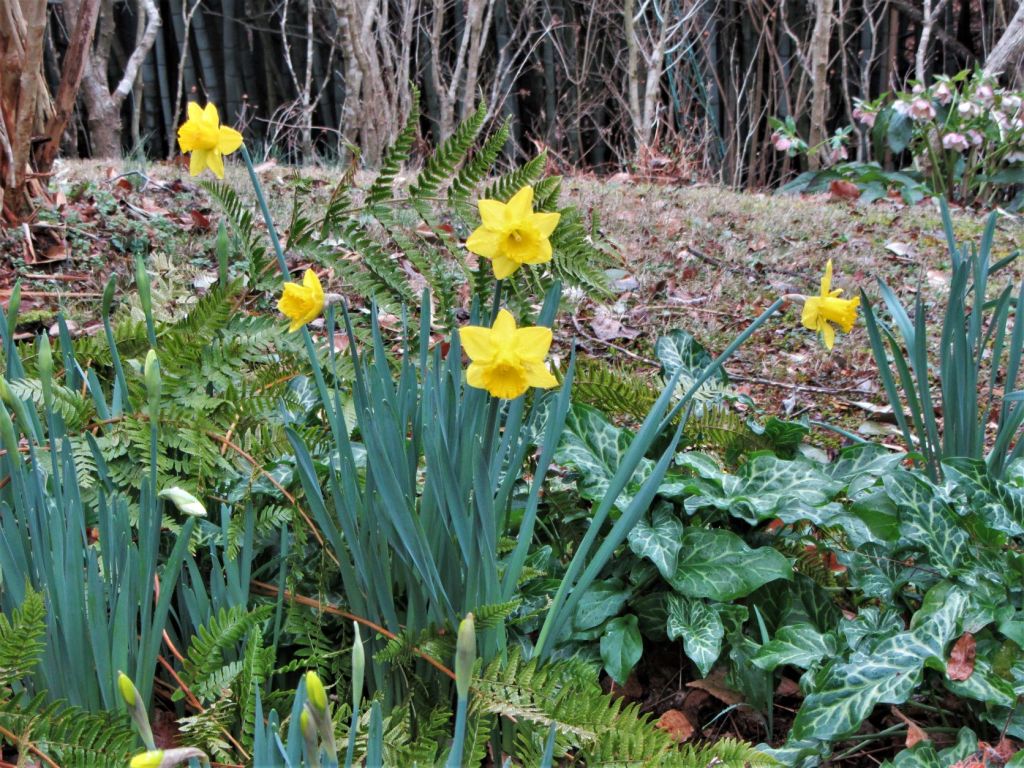
Archeologists tell us that Northern Africa once was lush and beautiful, with abundant rainfall. The Great Sphinx of Giza was eroded by water before the sands covered it. The deserts of Mesopotamia were once fertile fields and gardens. Change is the only constant. But how much of that ecological change was driven by the people who once lived there, and the over exploitation of the trees and soil? How much did ancient wars scar and pollute the land beyond its ability to recover?
The ancient ones still have much to teach us. Their lessons are written in sand and stone, sunken cities and epic myths. I hope that our generation is wise enough to profit from the lessons of the past and that each of us seeks ways to take personal responsibility for the world we leave for our grandchildren. Native Americans took decisions based on how their actions would affect the next seven generations.
When and how did we become so self-centered that we often don’t even consider how our actions will affect our future selves, let alone the generations to come? Let’s take the long view of history, past and future. We can begin to change where we are now, using whatever resources we have at hand, doing whatever we can creatively do. Once we set our intent and take that first step, we will know how to continue. Soon enough, we will enjoy the benefits of a better, healthier and happier existence for ourselves and our family.
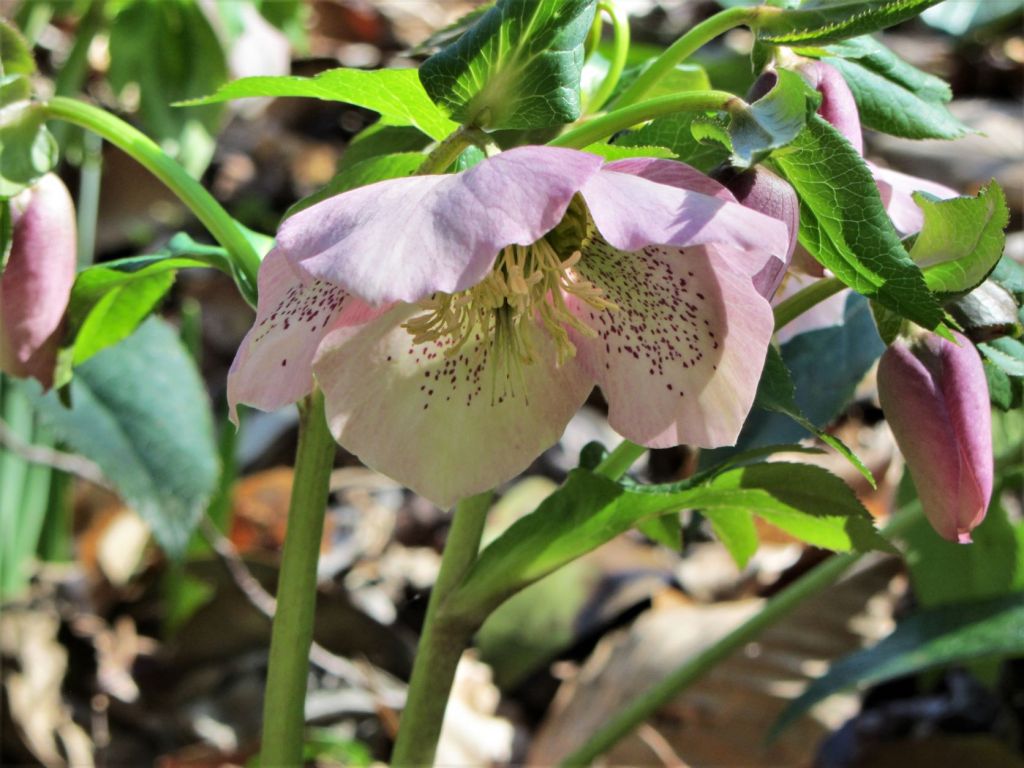
With appreciation to Jim Stephens of Garden Ruminations, who hosts Six on Saturday each week.

You might enjoy my new series of posts, Plants I Love That Deer Ignore.
Visit Illuminations Each Day for a daily garden photo and a quotation
 Our Forest Garden
Brilliant! Well said, our planet deserves better.
LikeLiked by 1 person
❤ ❤ ❤ Thank you. That rant has been building for a while, and the toxic train wrecks here in the US this week broke the damn….
LikeLiked by 1 person
I felt terrible when I bought my house and learned that several tree had to go. Two were green ash, which are being killed by the Emerald Ash Borer. The trees would be dead by now, and were already dropping branches. I tried to make up for it by planting nine new trees. Eight are arbor vitae that will grow into a screen between my house and the apartment building next door and one is a dwarf weeping cherry. They are all young, planted in 2020, but the arbor vitae are waist high now (12″ tall when planted). The weeping cherry is plagued by Japanese beetles, but it blooms beautifully and is among the first flowers in my yard. I love that we have a line of cedar separating my backyard from my behind the house neighbor. Privacy without a fence. Birds are very active as well as squirrels. I am slowly turning my backyard into a habitat. Still a lot of lawn, but getting better!
LikeLiked by 1 person
It is a real sadness to see so many of our beautiful trees attacked by insects and tree diseases. I understand what you mean about losing the green ash trees. By removing them, that likely stopped the insects from reproducing and infecting even more trees.
We have lost a lot of trees around here to storms in recent years, too. Planting new trees, and trees that will survive and grow safely near your home, is a great way to deal with the loss of the ash trees. Do you know about keystone species? Certain trees in each ecoregion of the US are considered keystone species because of their value to all sorts of wildlife. You might find this of interest: https://www.nwf.org/Garden-for-Wildlife/About/Native-Plants/keystone-plants-by-ecoregion and https://homegrownnationalpark.org/
What fun to watch all of the squirrels and birds! Thank you for leaving a note ❤ ❤ ❤
LikeLike
Within our particular region, I am much more concerned with cutting trees down than planting more. The region was clear cut harvested for reconstruction of the San Francisco Bay Area after the Great Earthquake in 1906, but not managed as it regenerated. Consequently, pioneer species remain unnaturally abundant over huge areas within what had formerly been redwood forests, and will remain as such for a very long time. That is why the CZU Fire was so very destructive, and actually got hot enough to kill redwood trees. (Redwood trees easily survive faster and more frequent fires, which is how they live for thousands of years. Pioneer species are native, but are not naturally so prominent.) Invasive exotic species, such as blue gum eucalyptus, silver wattle and black locust contribute to the problems. Urban regions, such as San Jose and Los Angeles, experience a completely different environmental problem. Both are now much more densely forested than they naturally were, and almost all of the vegetation that inhabits them is not native. Of course, such regions will never recover as long as they are urban. We continue to install trees there merely because they are so appealing within urban situations.
LikeLiked by 1 person
Fascinating. Thank you for sharing these insights into what is happening in your area. Is there an effort to replant the redwoods?
LikeLiked by 1 person
Yes, but it gets overly zealous, like much of the reforestation projects here. Fire is a natural component of the ecosystem here. The best thing to do afterward is ‘nothing’. No one wants to hear that. The forests, including those surrounding redwood forests, know how to recover. It is a natural process. Anyway, the problem with replanting redwoods is that such projects typically involve cultivars, such as those that were developed for landscape use. Such trees are very well structured, with densely conical form. Unfortunately, such characteristics do not serve them so well in the wild. Reforestation trees should be grown from seed, preferably from forests near where they are to be planted. If nothing is done, redwoods regenerate from their roots, as they did after the clear cut harvesting. In the distant future, regenerating trees should be selectively harvested so that approximately the same number of single trunks remain as there were prior to the clear cut harvesting a century earlier. Redwoods grow too big to be crowded as they are after clear cut harvesting, or after fire kills their primary trunks, and several trunks develop where there had been single trunks. Besides, it is better to harvest extra trunks here than harvest trees from forests that have not been damaged.
LikeLiked by 1 person
A great perspective, particularly to grow replacement trees from wild, indigenous seed. I didn’t know that redwoods regenerate from their roots. What an amazing sight that must be. Thank you for sharing this knowledge about redwoods and how the forests should be managed. I am growing out indigenous oak, scarlet buckeye, persimmon and beech tree seeds that I collected last fall. These trees are hard to source, except perhaps from the state DoF. I love watching the seedlings grow🐝
LikeLiked by 1 person
The coastal redwood regenerates from roots, which is why most in this region live in colonies of several trunks around single stumps of formerly harvested trees. Some trees that are thousands of years old grew from roots of trees that could have been thousands of years old, which may have grown from roots of trees that were thousands of years old, and so on. However, the giant redwood does not regenerate from roots. Once cut down, the roots die. It regenerates from seed. Giant redwood was not harvested so extensively for lumber. However and tragically, after surviving for thousands of years, several of the largest specimens were cut down merely for lumber barons to get their photographs taken on top of the dead stumps. Each of them wanted their own stump. The trees were so massive that their trunks shattered when they fell. They were used for split rail fences and grape stakes.
LikeLiked by 1 person
Yes, tragically-What a terrible waste of magnificent trees. Thank you for sharing this bit of history.
LikeLiked by 1 person
Yes, it is really discouraging. I know that they were considered to be an inexhaustible resource at the time, but cutting them down for a picture with their dead carcassas just seems very morbid, like extremely so. A dead coastal redwood tree near here was killed for this project:
https://mallhistory.org/items/show/39
It is located near train tracks and roads, but was never harvested, . . . while entire forests were clear cut around it.
LikeLiked by 1 person
Hear, hear! Great post, E! We are in desperate need of a paradigm shift and quickly. I pray it is not too late. 😦
LikeLiked by 1 person
Oh Eliza, so much going on right now and none of it good for trees, animals or people. I’m astounded at how few butterflies we found in our yard last year. Yes, we need a paradigm shift. I bet you spent lots of time reading Toffler, too, back in the day. It is always so comforting to find like-minded sisters and brothers who understand the pickle we’re in and see paths to improve things a bit. All politics is local, as they say. Hugs to you, Eliza! ❤
LikeLiked by 1 person