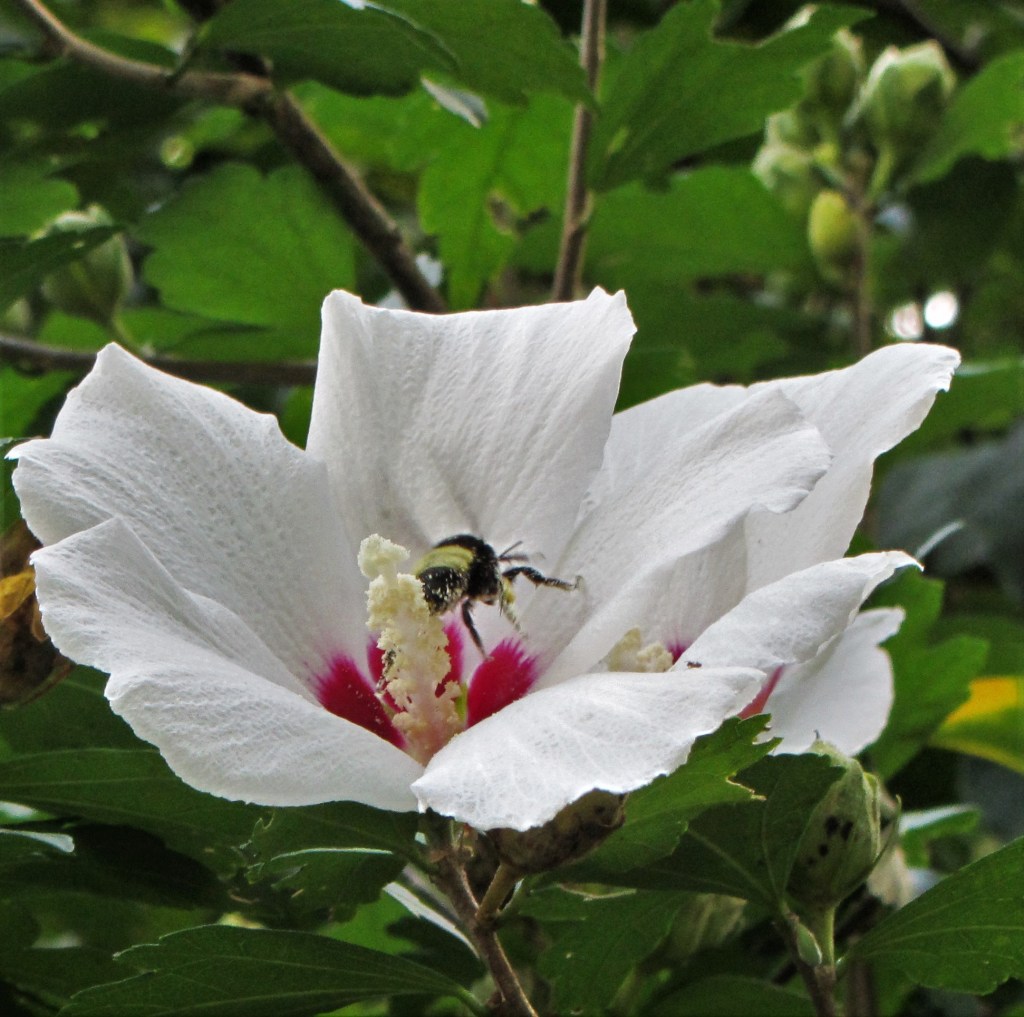
Autumn is like a second spring in our coastal Virginia climate. We will enjoy another 90-100 frost-free days from August 1 until the end of our active growing season in early November. Even then, there is still plenty to enjoy in our gardens and plenty to do. We can plant seeds or plugs in August that will continue producing flowers, root crops, herbs, and leafy greens into the winter months. With so much time left in the gardening year, July is a good time to pause, take stock of our gardens in high summer, and plan for the months ahead.
Summer’s heat and humidity pose a challenge for some gardeners. Not only is it uncomfortable to spend much time outside, but there are health risks associated with heat exhaustion and heat stroke, sunburn, and dehydration. It is wise to take care of garden tasks early in the morning or in the early evening to avoid the hottest part of the day. We can joyfully subscribe to the ‘Less is More’ philosophy, and cut back our tasks to the minimum, until we get a cooler, cloudy day.
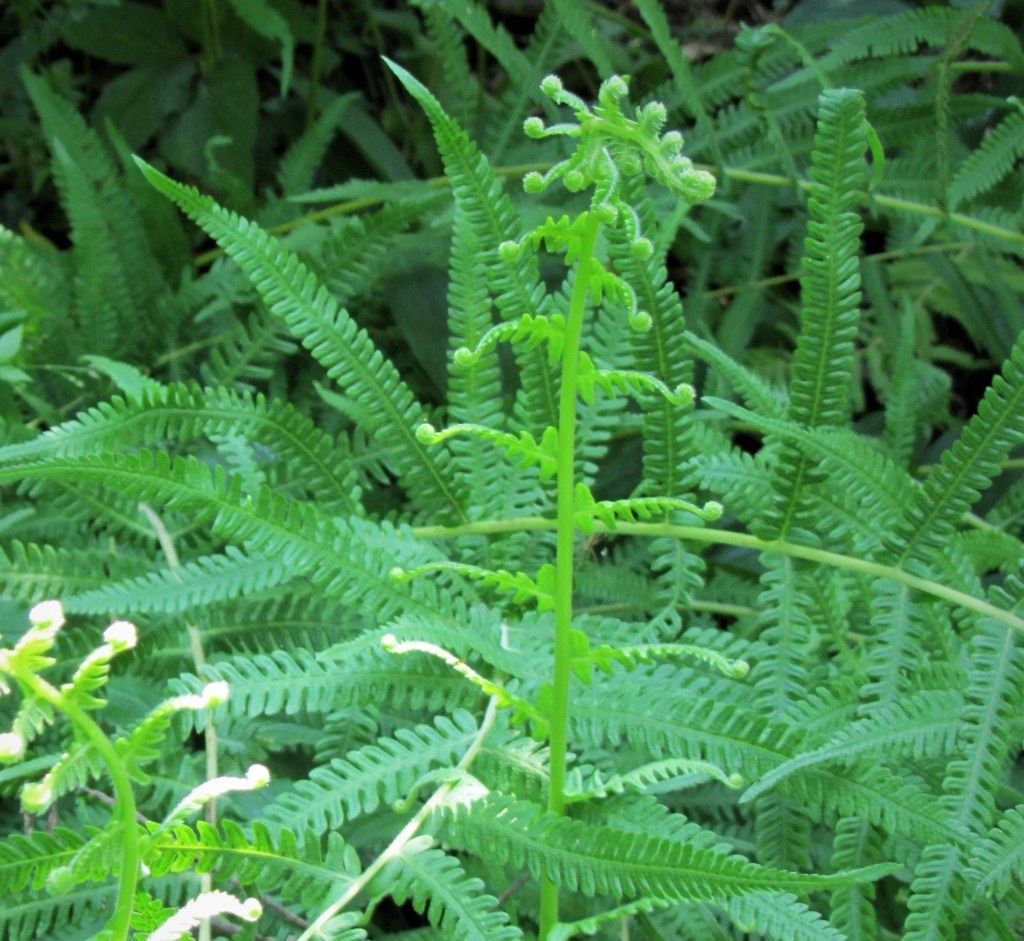
These sultry days may also motivate us to adjust our gardening style to minimize the chores we feel obligated to accomplish each week. Cutting back our interventions in the garden usually benefits wildlife, while allowing natural processes an opportunity to unfold.
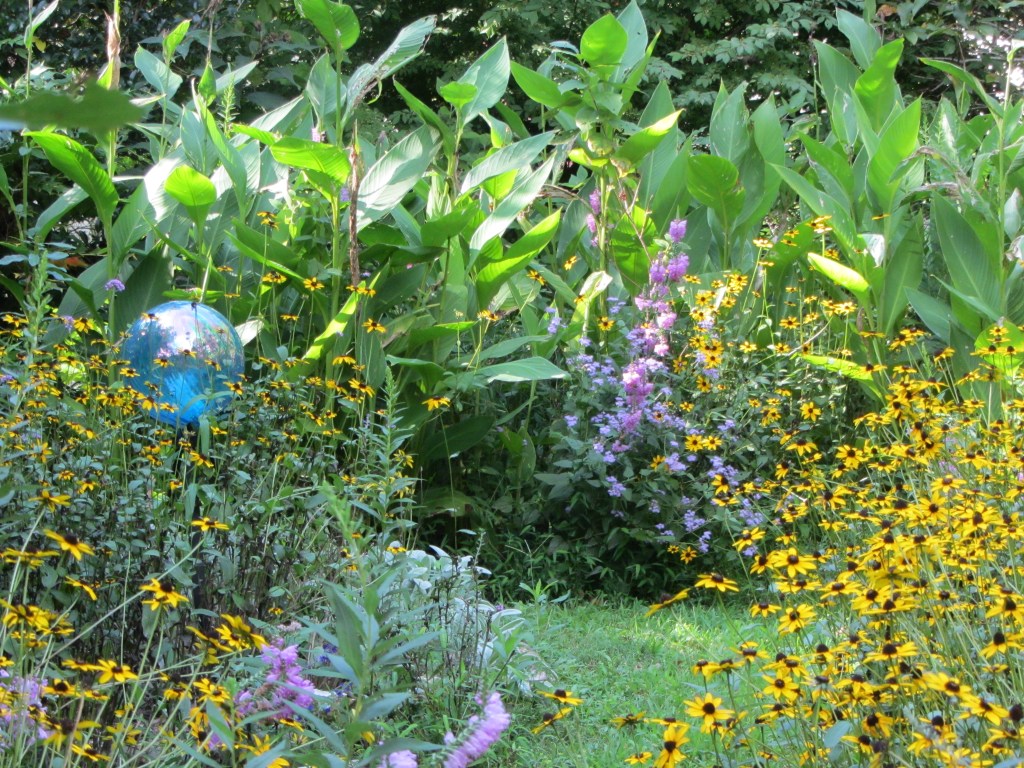
As we loosen our expectations for tidiness, we leave room for all sorts of birds, insects, and small animals to find food and shelter in our yards. Each gardener is somewhere on a scale of how much ‘wildness’ we are willing to allow in the space around our homes; how loose or laisez-faire we choose to be in managing the ecosystem of plants, animals, fungi and microbes outside our doors. As we cede some control to nature, biodiversity increases. The landscape comes alive. We can watch the show from the shade.
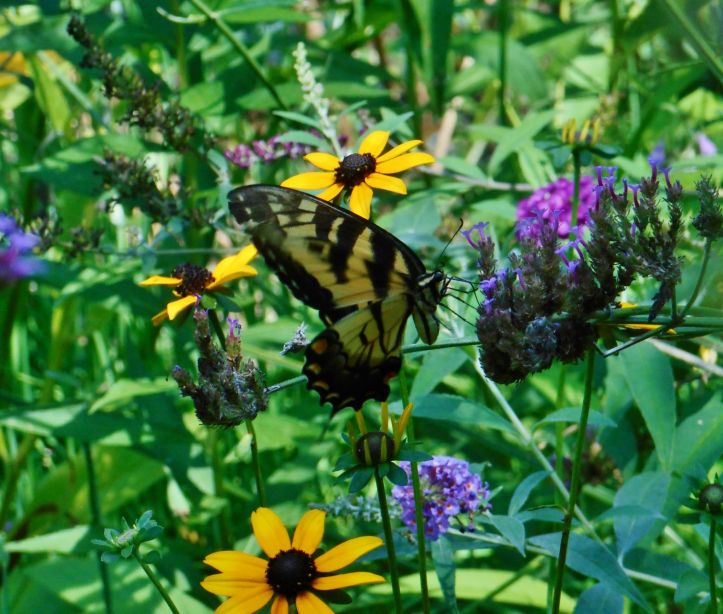
There will be cooler days ahead for heavier chores like weeding, pruning, and planting. In July and August, we will be forgiven if we mainly keep things watered and harvested. Here is a partial list of things to do, and not do, in the second half of the gardening year.
To Do in July and August:
Simply Stand and Stare, admiring the beauty of your yard. Notice too, what needs to be improved. Take photos of successes and challenges. Notice which animals and insects find food and shelter in your space. Take a baseline biodiversity inventory if one of your goals is to increase the numbers and species your yard supports.
Keep any fruits, vegetables, and herbs harvested. Harvest cut flowers to keep new ones coming, and deadhead spent blooms. Cutting flowers is best done early in the morning when the stems are most hydrated.
Notice and remove any diseased wood or foliage on shrubs and herbaceous plants. Seal this in a plastic bag and throw it into the trash to prevent the spread of plant disease.
Cut back lanky flowering perennials and herbs by a third to one half to stimulate new growth and another flush of flowers. Cut to just above a set of leaves.
Water container plantings, newly planted perennials, annuals, and vegetable plants when there is insufficient rain to sustain their growth. Do this early in the morning, when possible, but avoid watering during the heat of the day when much of the water will evaporate before it reaches the plants’ roots. Follow water restrictions for our area when using sprinklers or automatic irrigation systems. Hand held hose nozzles may be used at any time.
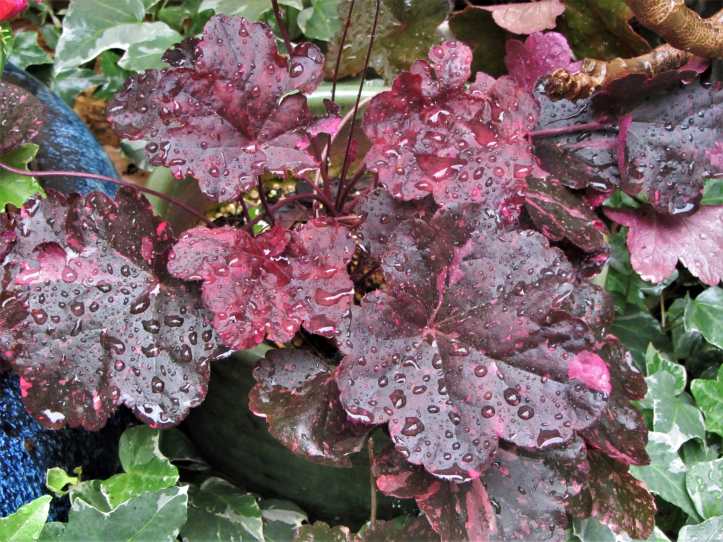
Remove flowering annuals, herbs and vegetable plants that are fading and ending their period of productivity. Cut stems at ground level and leave roots to decompose and enrich the soil. Compost healthy plants, if possible. Renew beds with compost or mulch materials to prepare for replanting.
Plant seeds or plugs for fall and winter flowers and vegetables. With another 90-100 days in the season, there are many great choices, depending on what your family will use and the growing space available to you. Root crops and leafy greens that will tolerate cooler temperatures are most successful. Days are growing shorter, so ‘long day’ vegetables and those that need heat to produce won’t thrive. Plant garlic cloves and onion sets to get a head start on next spring’s garden.
Many crops with shallow roots, such as lettuce, spinach and other greens, radishes, carrots, and bush beans may be grown in large containers. There is plenty of time for another crop of annual and biennial herbs like parsley, basil, chamomile, or cilantro.
Shop end of season sales at local garden centers for good deals on herbs, ferns, and other perennials. A plant may not look great in its pot, but if the roots are healthy, it is probably worth planting. Some root-bound perennials can be divided as you plant them. Keep these late season finds well-watered as their roots get established in your garden. Some newly planted perennials may also need shade as they establish.
To Do Less:
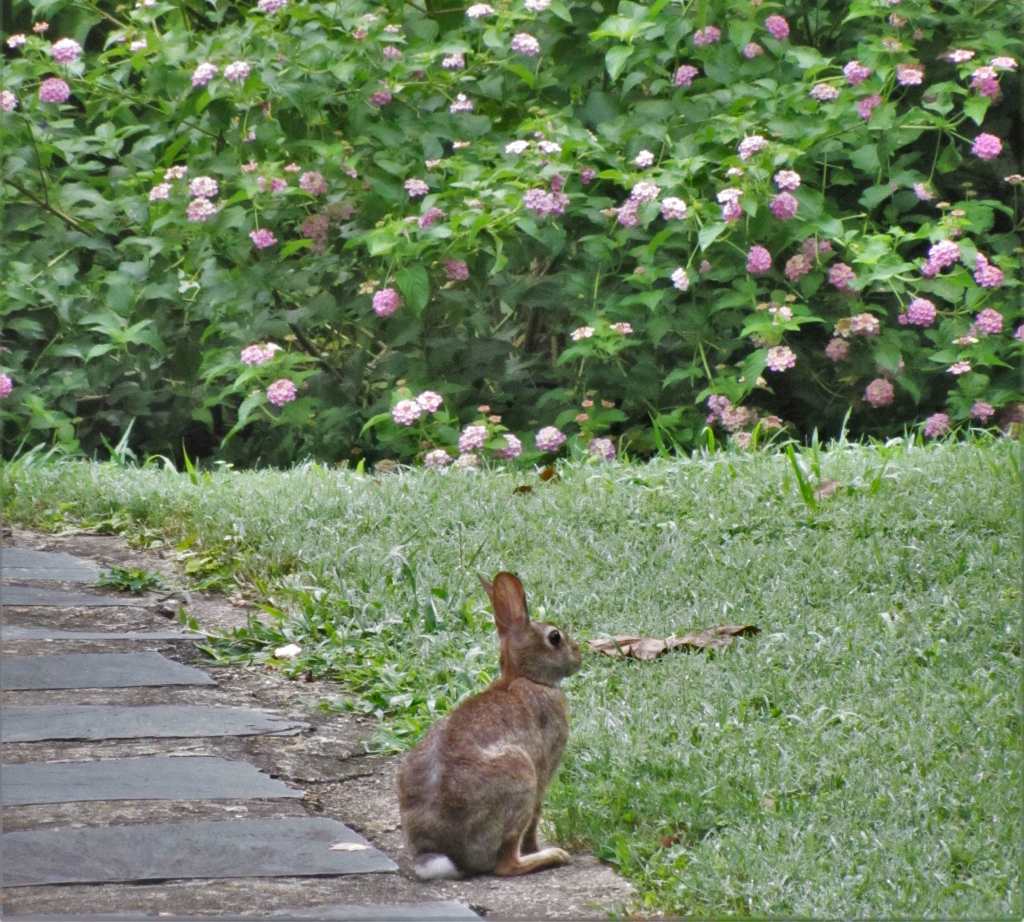
Cut back on mowing lawns during the hottest part of the summer. Allow the grass to grow a bit longer to help it survive dry spells. Allowing clover and other flowering plants to bloom in a ‘bee lawn’ provides nectar for pollinators. Longer grass will provide cover for insects and more food for birds.
To Avoid:
Avoid using any chemical fertilizers or pesticides on lawns during summer heat and storms. Pesticides include insecticides, herbicides, and fungicides. Chemicals not only may burn already heat or drought stressed grass, but they can be washed away into creeks, rivers, and eventually the Chesapeake Bay during heavy rainfall. Pesticides will poison fish, invertebrates, and potentially birds who eat those animals. Too much fertilizer also chokes our waterways by supporting algae and other plant growth in the water.
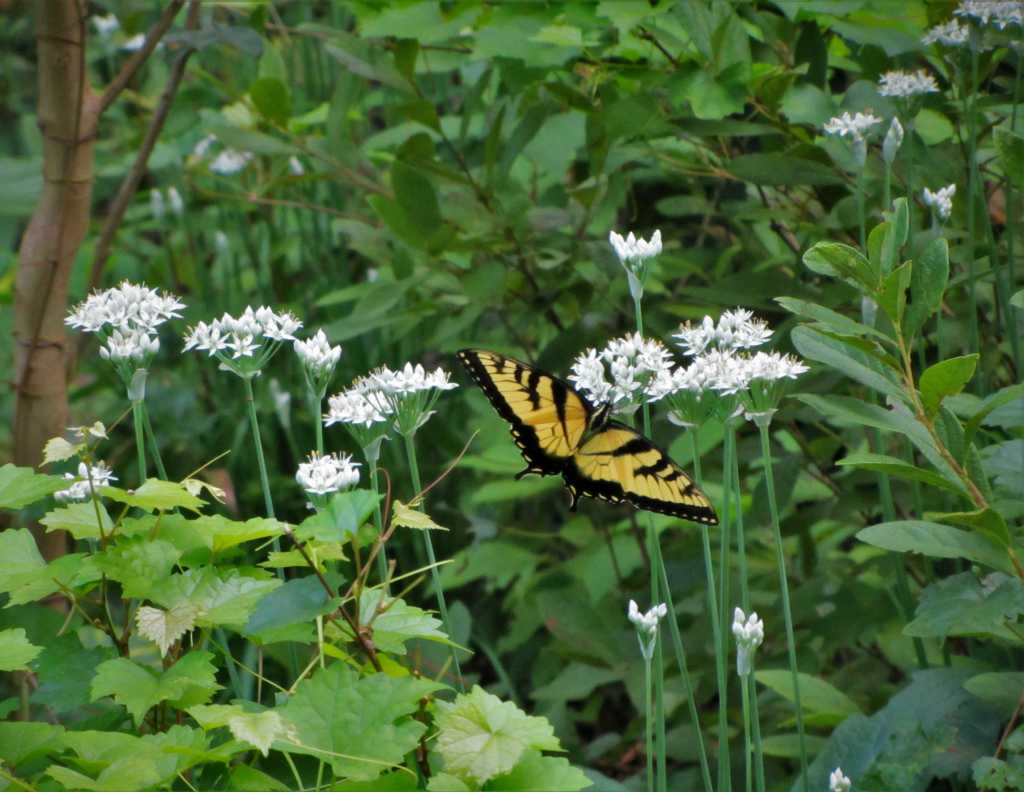
Aerosol pesticides may kill many insects beyond those targeted, including desirable bees, butterflies, and insect predators. Birds that eat affected insects may also be poisoned. Pesticide residue can wash into the soil, and into waterways during heavy rain.
To Do in September and October:
In addition to the action items listed above, this is also a great time to buy spring flowering bulbs locally. Buy early for best selection and keep the bulbs cool and dry until you plant them. Bulbs may be planted through December or even early January in our area.
Refresh container plantings by cutting back or replacing declining plants with colorful fall ornamentals. Plant a variety of spring flowering bulbs in containers for early spring color.
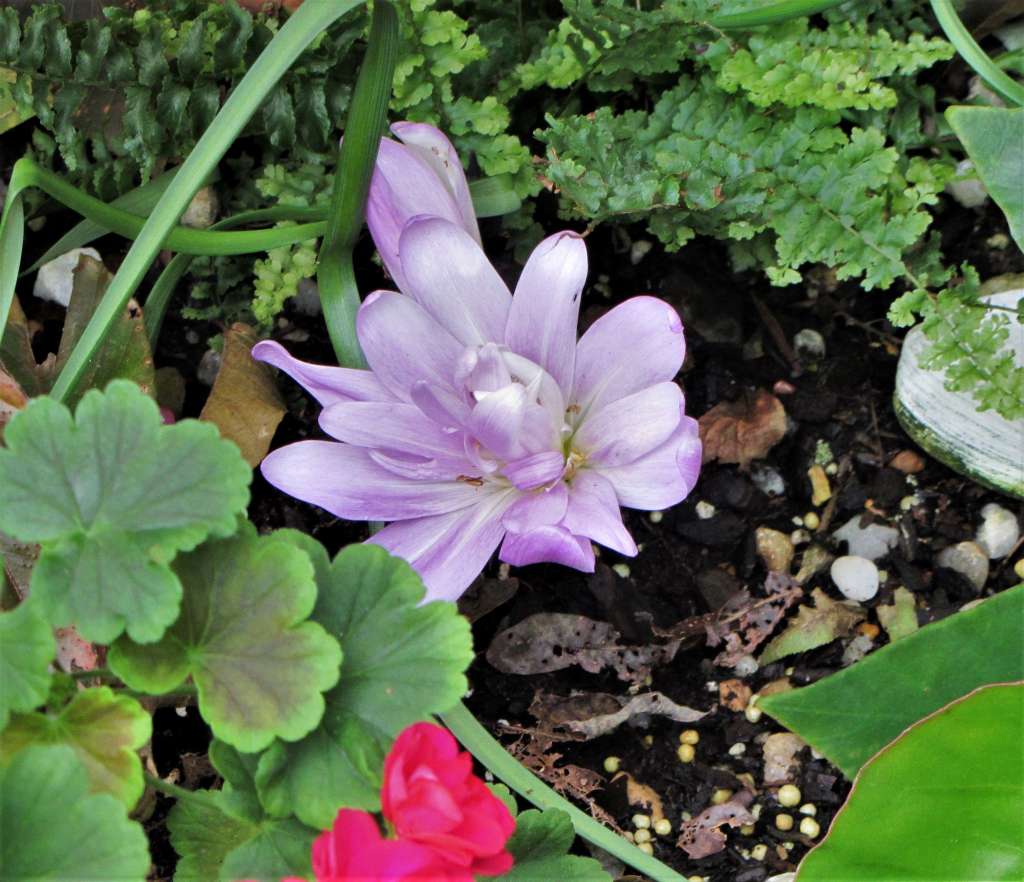
Plant autumn blooming Crocus and Colchicum and cool season blooming ornamentals such as Violas, Chrysanthemums, kale, and snapdragons. Plant Helleborus hybrids for nectar rich flowers from December through May. These plants begin to appear in garden centers in late August and September. Plant them any time through December.
Dig, divide, and replant clumps of established spring blooming bulbs like daffodils and snowdrops. This is a great way to increase your plantings while reinvigorating crowded clumps.
Dig and divide crowded clumps of perennials. Dig and replant seedling perennials, like Hellebores, to give them sufficient room to grow. Feed the soil with compost as you replant bulbs and perennials. Finally, top the area with several inches of fresh mulch.
Fall is the best time for planting new trees and shrubs in our area. Wait until the weather cools and days grow shorter to reduce stress on newly planted woodies. Their roots will grow during the autumn and winter, so there is enough root system to support new leaves and flowers next spring.
Dig a planting hole twice the width of the root ball, but no deeper. The root collar (where roots emerge from the stem) of the tree should be at ground level and no deeper. Use the excavated soil, sifted to remove weeds and larvae, and enriched with some compost, as the backfill. Water the roots and planting hole thoroughly at planting time.
Mulch each new tree or shrub with three or four inches of mulch. Apply the mulch carefully near the new tree or shrub’s stem(s) so that the mulch isn’t touching bark, to prevent damage to the bark from insects or voles over the winter. Newly planted trees will need regular watering during dry spells through their first few months planted in the ground.
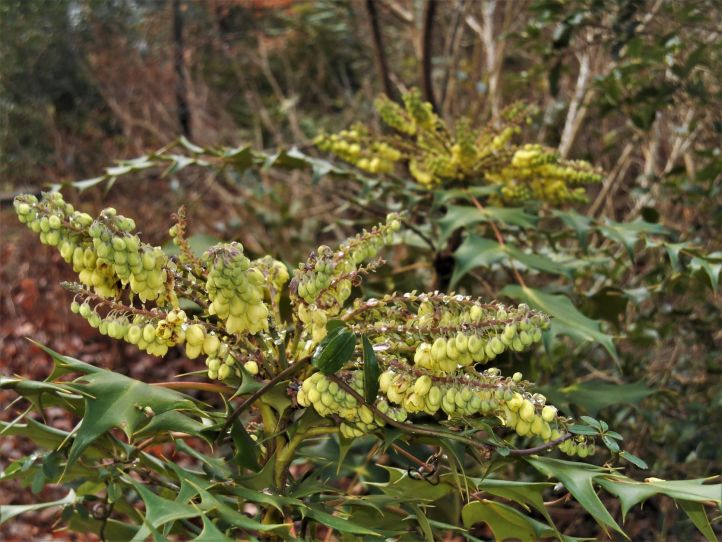
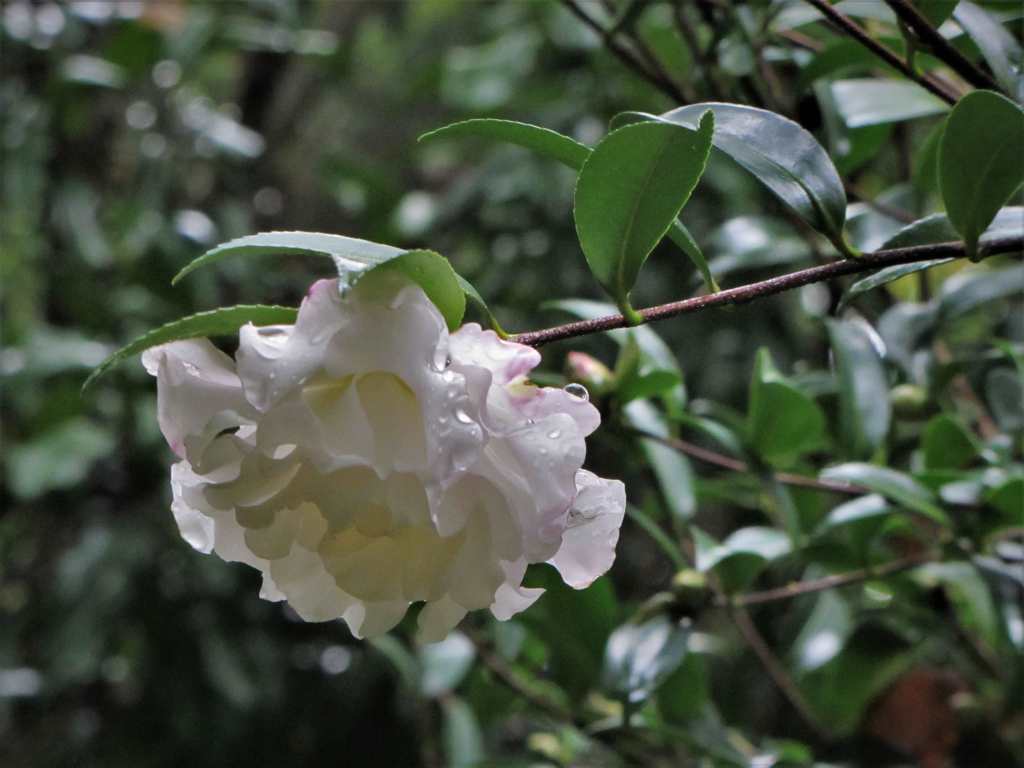
Evergreen shrubs will continue to absorb and sequester carbon throughout the year while providing habitat for animals and adding areas of shade to your yard. Some evergreen shrubs, like Oregon grape holly, Azaleas, some hollies, Japanese Pieris, and Camellias, will bloom during the fall, winter and early spring. These cold season flowers provide nectar to pollinators when little else is in bloom.
Consider adding evergreen ferns or other evergreen ground cover plants in your yard. Not only will these plants offer habitat for birds and small animals, but they will continue to filter the air and sequester carbon and other gasses during the winter months.
Add fresh mulch to perennial beds and borders.
To Do Less:
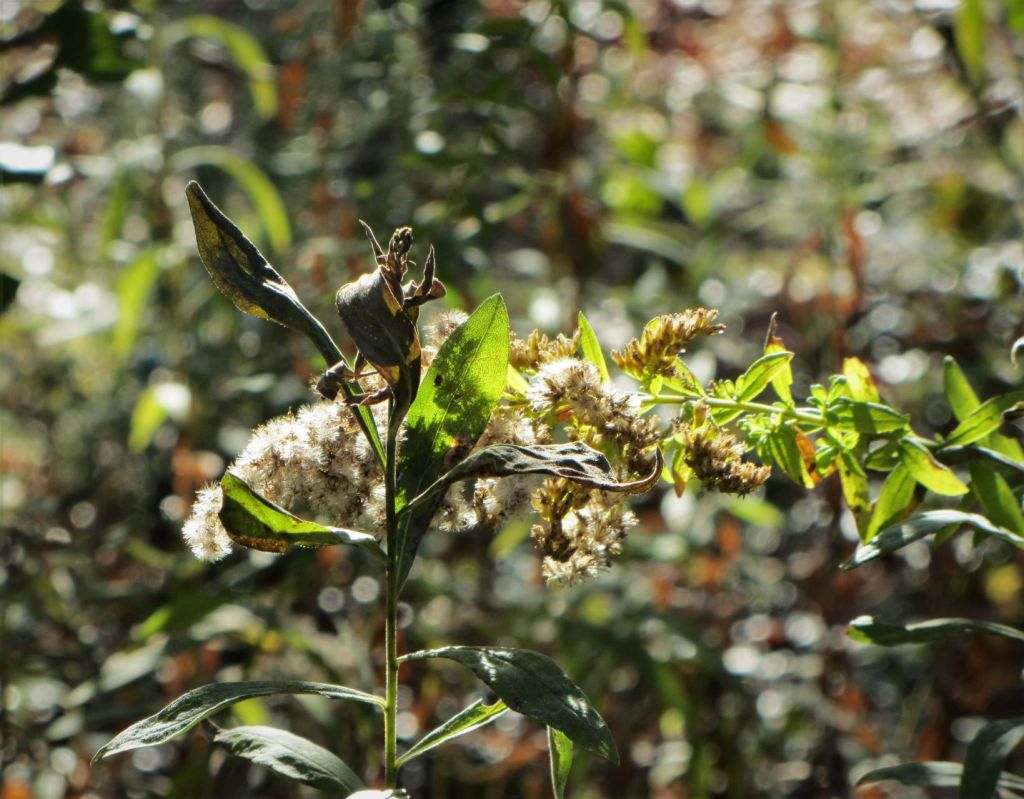
Wait to cut back fading perennials. Letting perennials stand in place through the winter provides winter shelter for numerous insects, including native bees. Overwintering birds will eat their ripening seeds. Stems and leaves provide natural mulch and cold protection to the plants’ crowns. There is no harm in allowing perennials to remain in place until February or March.
Waiting to rake up fallen leaves has numerous benefits for the soil, for microbial and invertebrate life, and even for those birds who find insects to eat among the leaves all winter. Use a mulching mower to chop leaves on lawns and then leave them in place to decompose. Shred and bag leaves to use as mulch on raised beds and vegetable gardens. Leaves are a valuable resource, full of nutrition and useful as free mulch or compost.
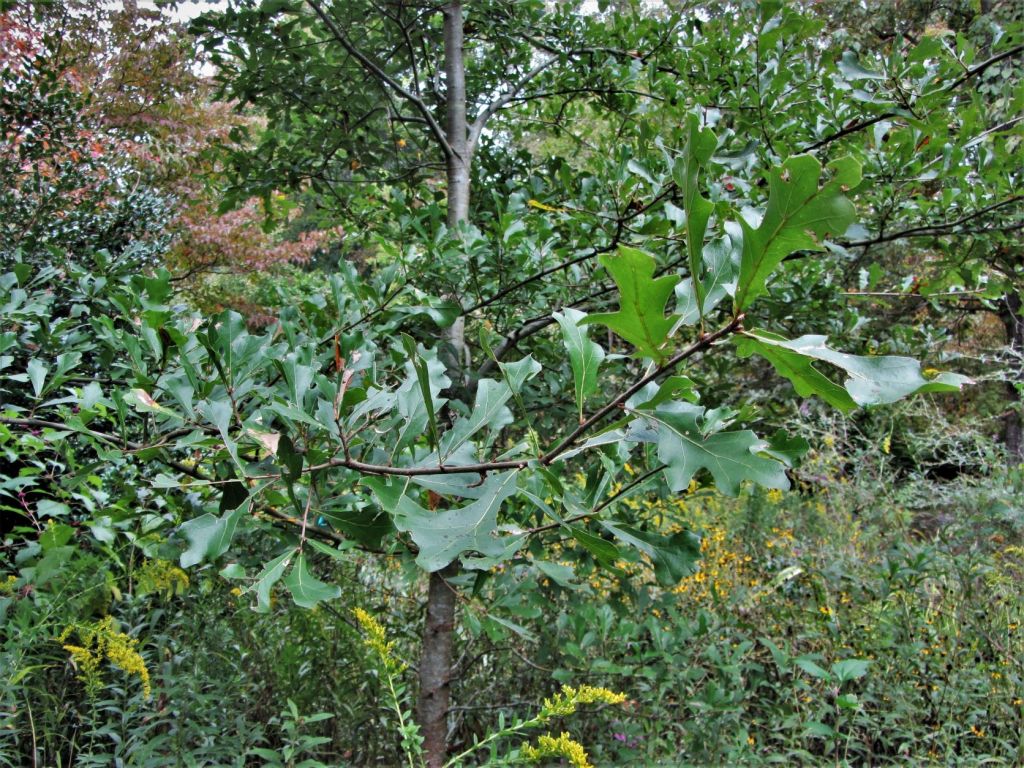
Wait to prune most trees and shrubs until January or February. Don’t prune winter or spring flowering shrubs until early summer, after they have finished blooming.
To Avoid:
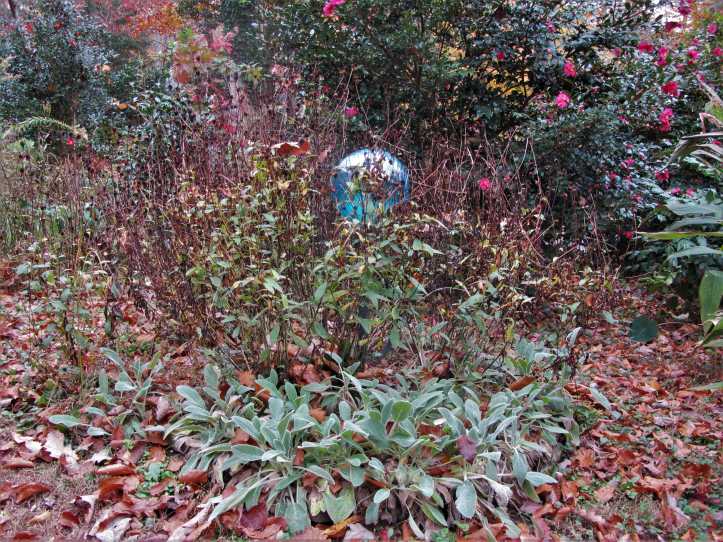
Never leave bare ground over winter because it is subject to erosion. Carbon stored in the soil will also sublimate back into the atmosphere when ground is left unprotected. Either spread mulch such as pine tags, fallen leaves, wood chips, or commercial bark mulch over the ground, or plant a cover crop to turn into the soil in the spring as green manure. Alternatively, establish ground cover plantings with moss, hardy grasses, vines, evergreen ferns, or other perennials.
A Win-Win for All
Late summer and autumn offer us many opportunities to extend the gardening season, improve our soil, increase biodiversity in our yards, attract beneficial wildlife, and make our environment more beautiful. Every new functional plant species enriches the ecosystem by providing food and habitat for wildlife. We can work less and enjoy our yards more through wise and well-timed gardening practices.

You might enjoy my new series of posts, Plants I Love That Deer Ignore.
Visit Illuminations for a daily photo and quotation
 Our Forest Garden