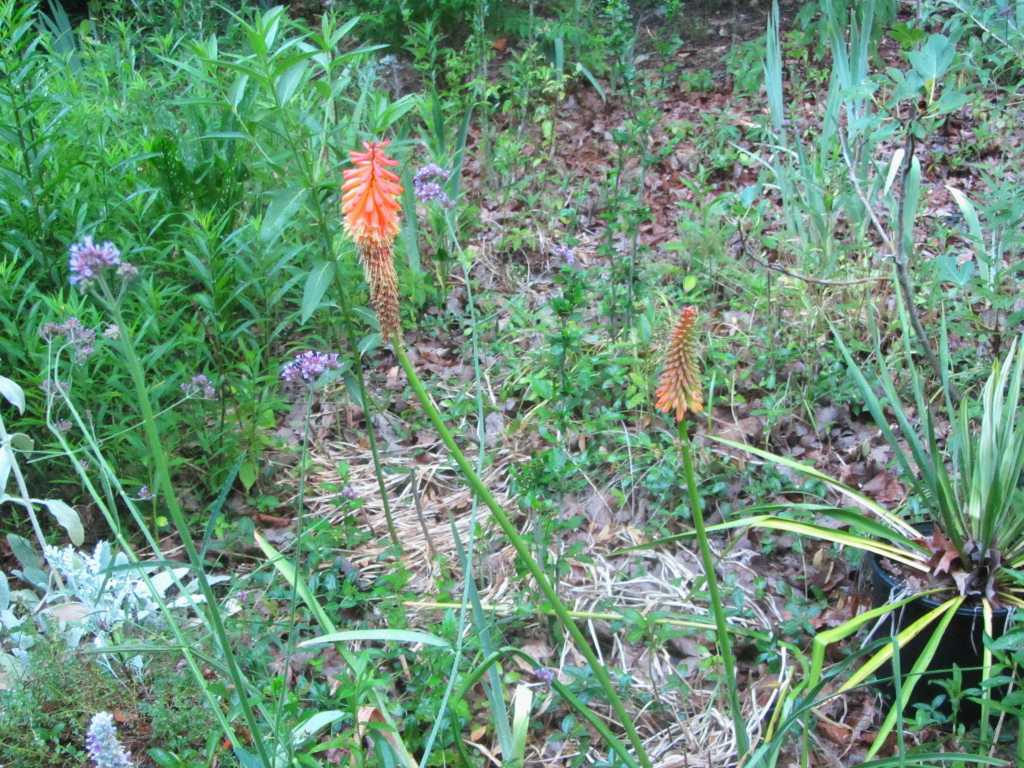
I was up this morning before the birds. Just past summer solstice, when our days are the longest of the year, that may be a notable achievement. I was up and getting dressed before there was light peaking through the window dressings because I wanted to do some watering before the heat of the day.
A high pressure system and heat dome are building over the East Coast and will extend southwards over much of Virginia today. We have heat advisories as our heat index goes above 100F today, and possibly for the next few days, for the first time since last summer. We’ve had little rain lately, the grass has grown brown and crunchy, the Hydrangeas look limp, and so I wanted to water everything well again this morning before the heat builds in.
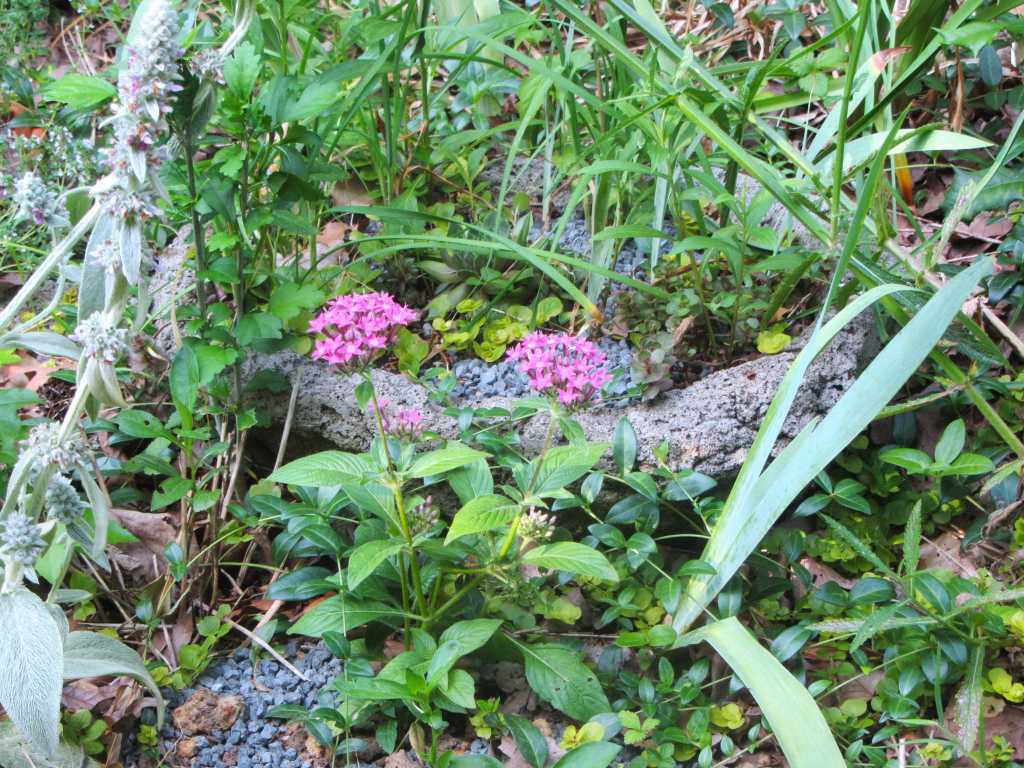
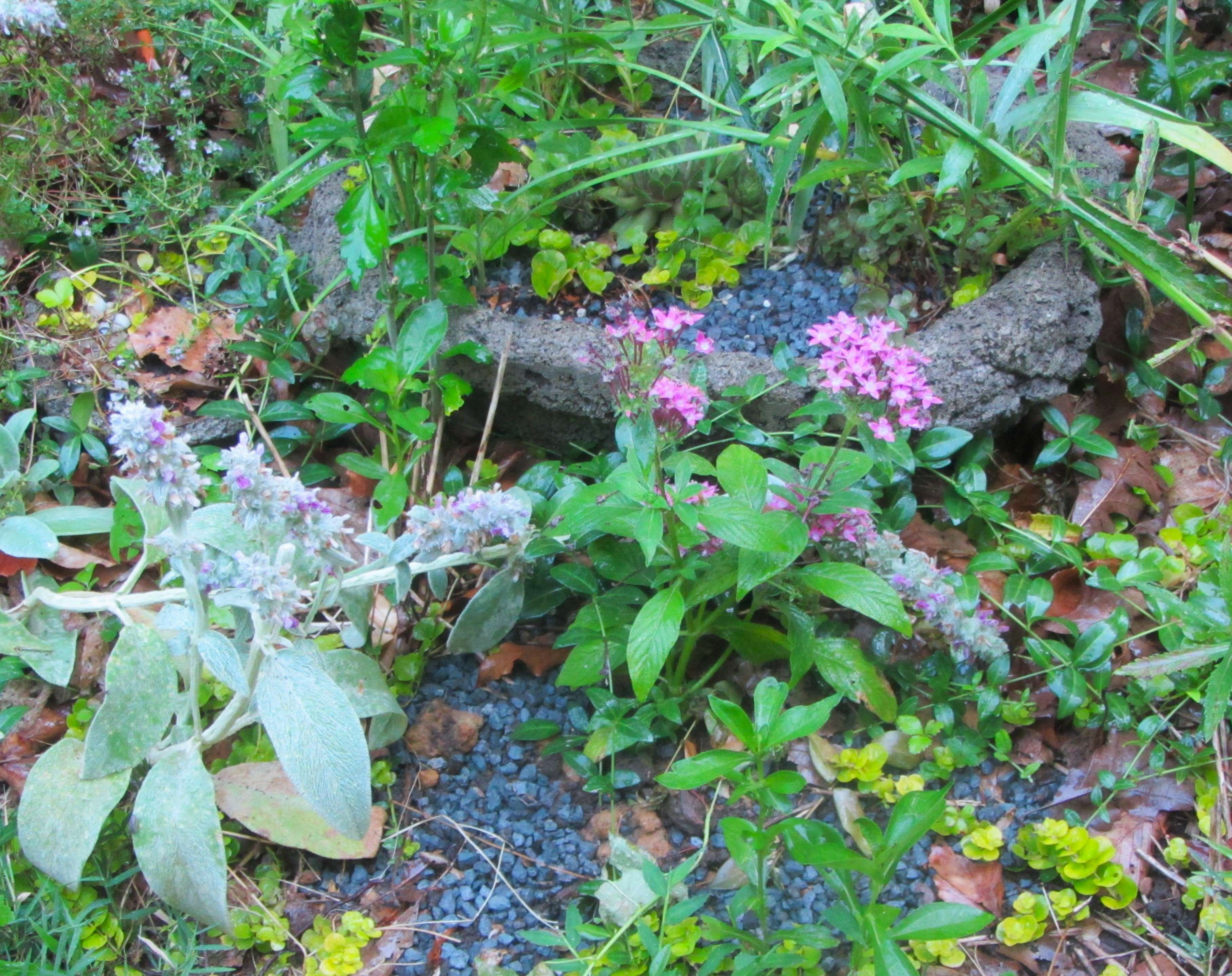
A new neighbor had a landscaper renovate her yard last summer. When I visited her in early fall, I noticed that her entire new planting of Hellebores looked brown and nearly dead. The landscaper must have told her that Hellebores are drought tolerant, because she didn’t seem to realize that she should have been watering them all along. Experienced gardeners know that the full phrase is, ‘Drought tolerant once established.’ I am investing our cooler early mornings in trying to get some of those ‘drought tolerant’ plants that I invested in this spring through this dry spell, while they get established and grow their roots out into the surrounding soil and deeply into the soil that rarely dries.
While planting in fall helps, when you can find the plants you want at that time of year, most of us end up planting in the spring or early summer once the new plants come in stock. That hardly gives them time to take hold and ‘get established’ before summer’s heat bakes the garden in weather like this.
Plants in large pots may have an easier time of it since they aren’t competing with the trees for water from the soil. Most of my containers have little saucers or drip trays under them so they often have a reservoir to make it through our hot afternoons. Experts tell you not to do that- plants shouldn’t sit in waterlogged soil. In our situation those saucers probably save more plants than they kill.
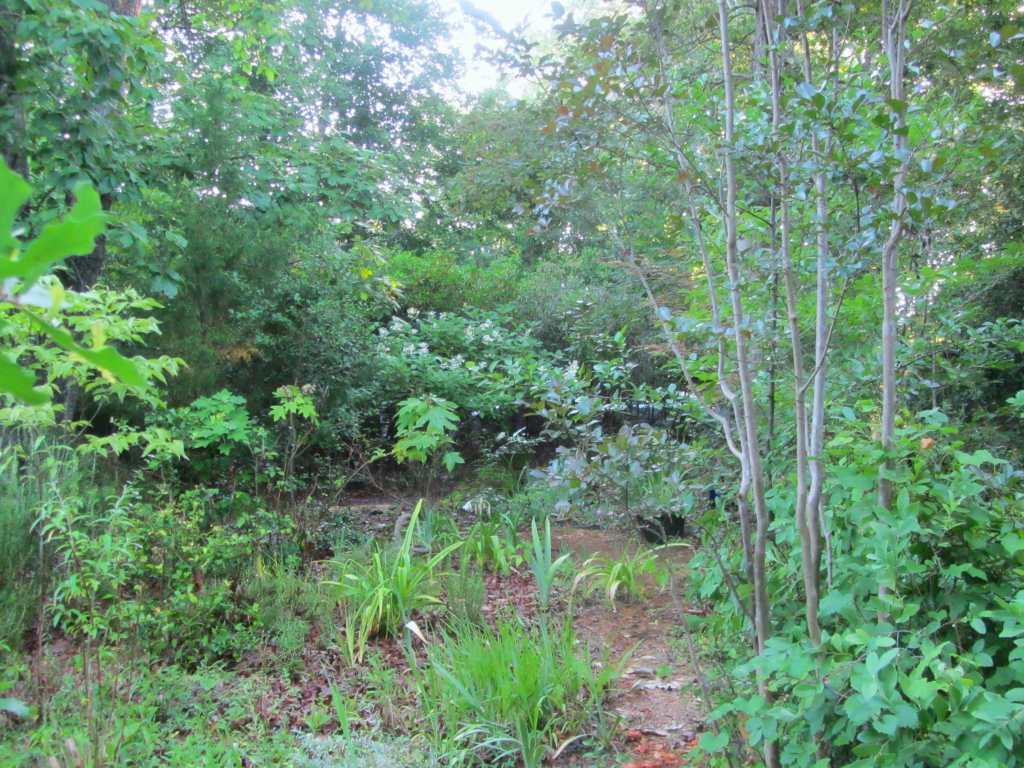
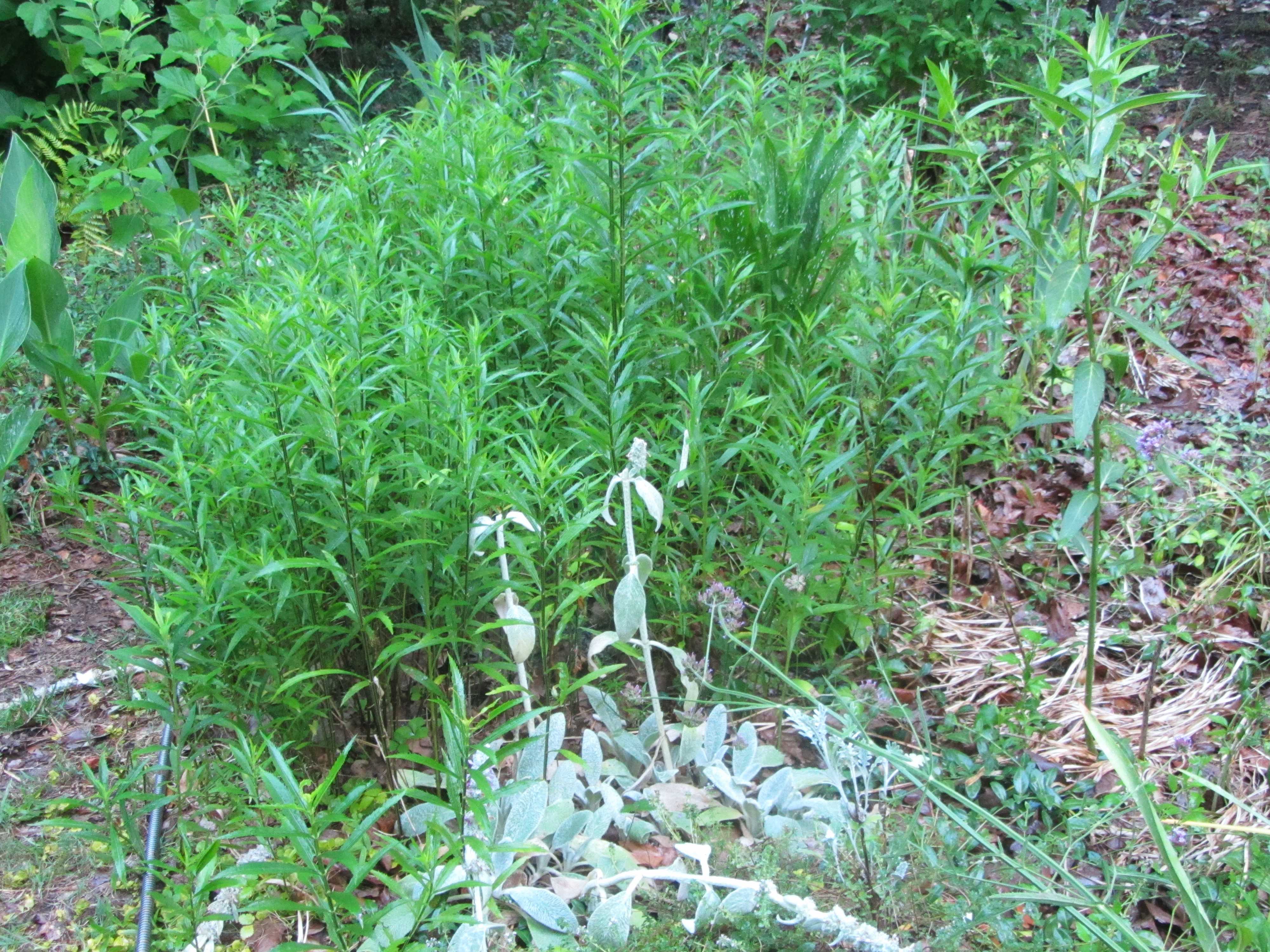
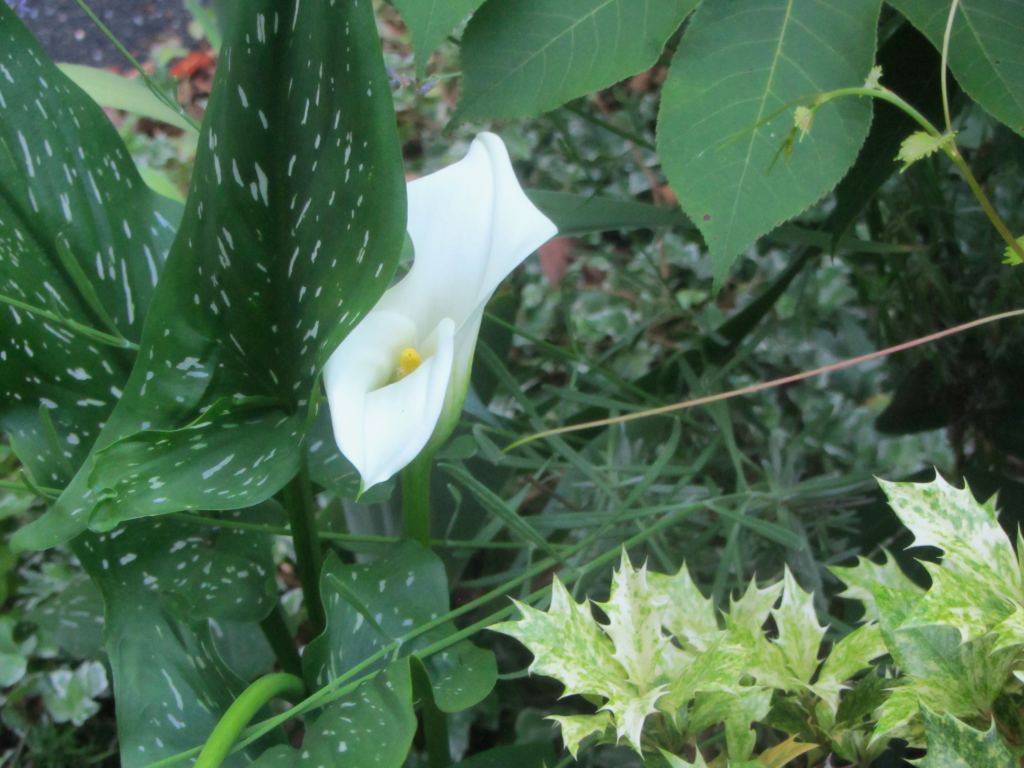
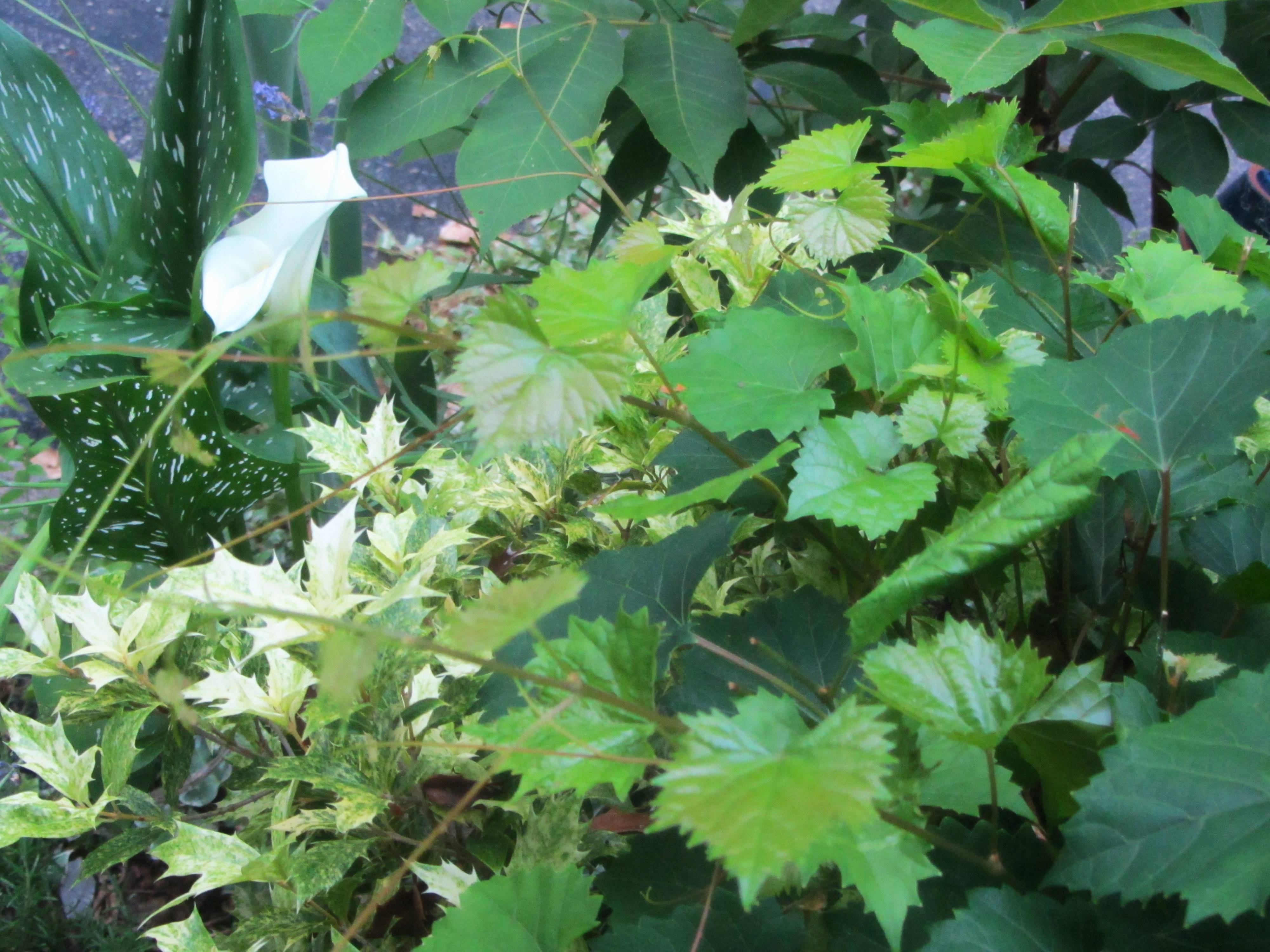
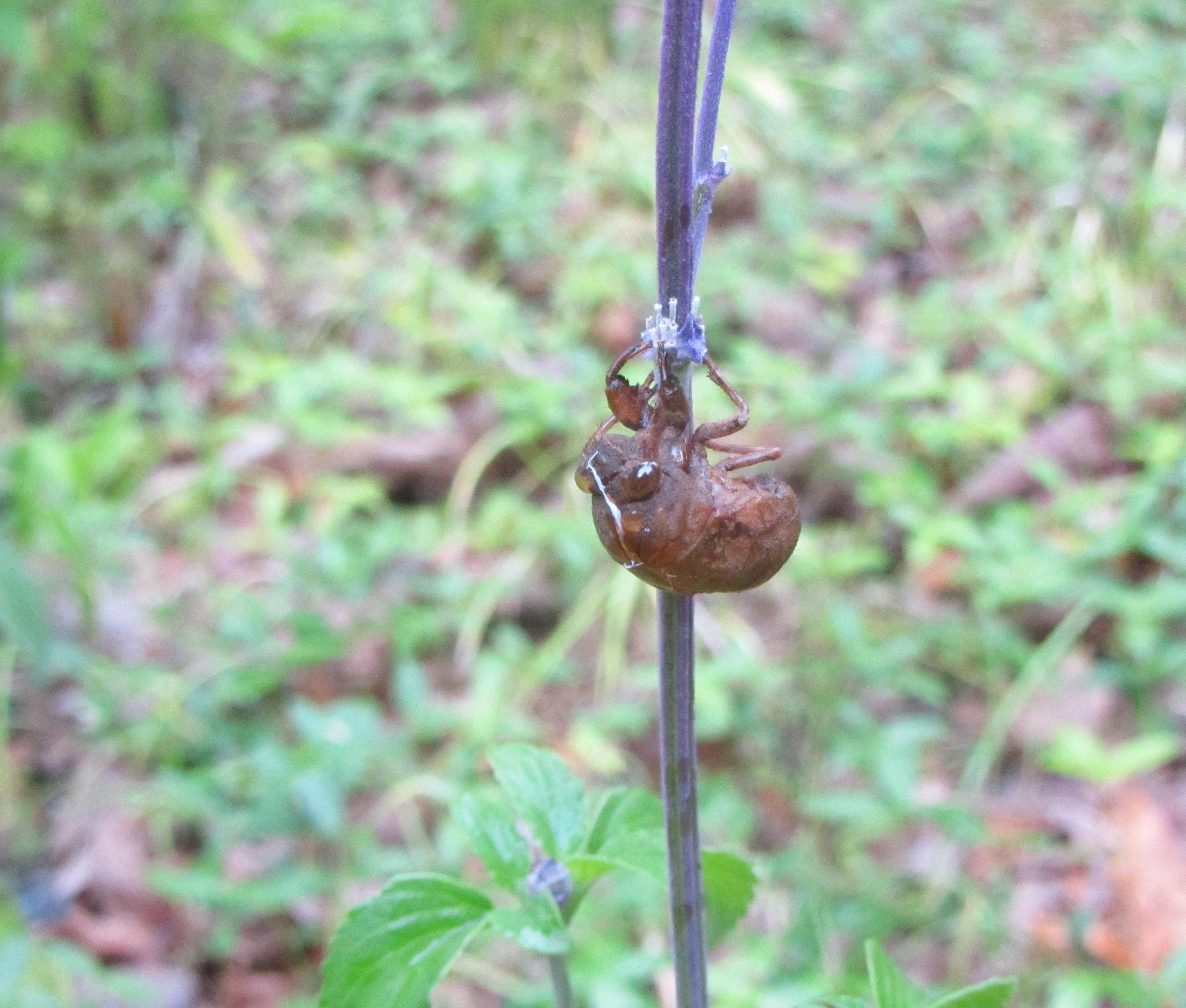
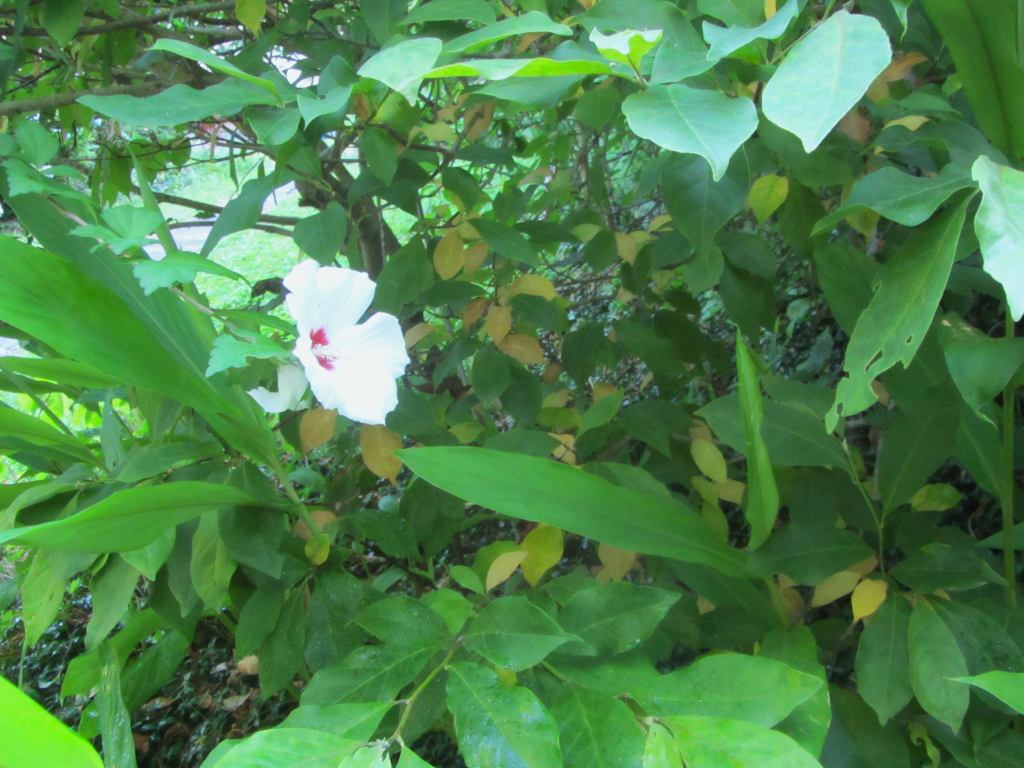
View of ‘the upper garden’ taken while I was watering this morning. White Crinum lilies and Hydrangea are in bloom. The shrubs on the far right are native deerberry shrubs, a relative of blueberries, sown by the birds. Their fruits are ripening now. Photos two and three shows one of our newly planted Salvia ‘Mystic Spires’ that assisted a Cicada in emerging from its exoskeleton. 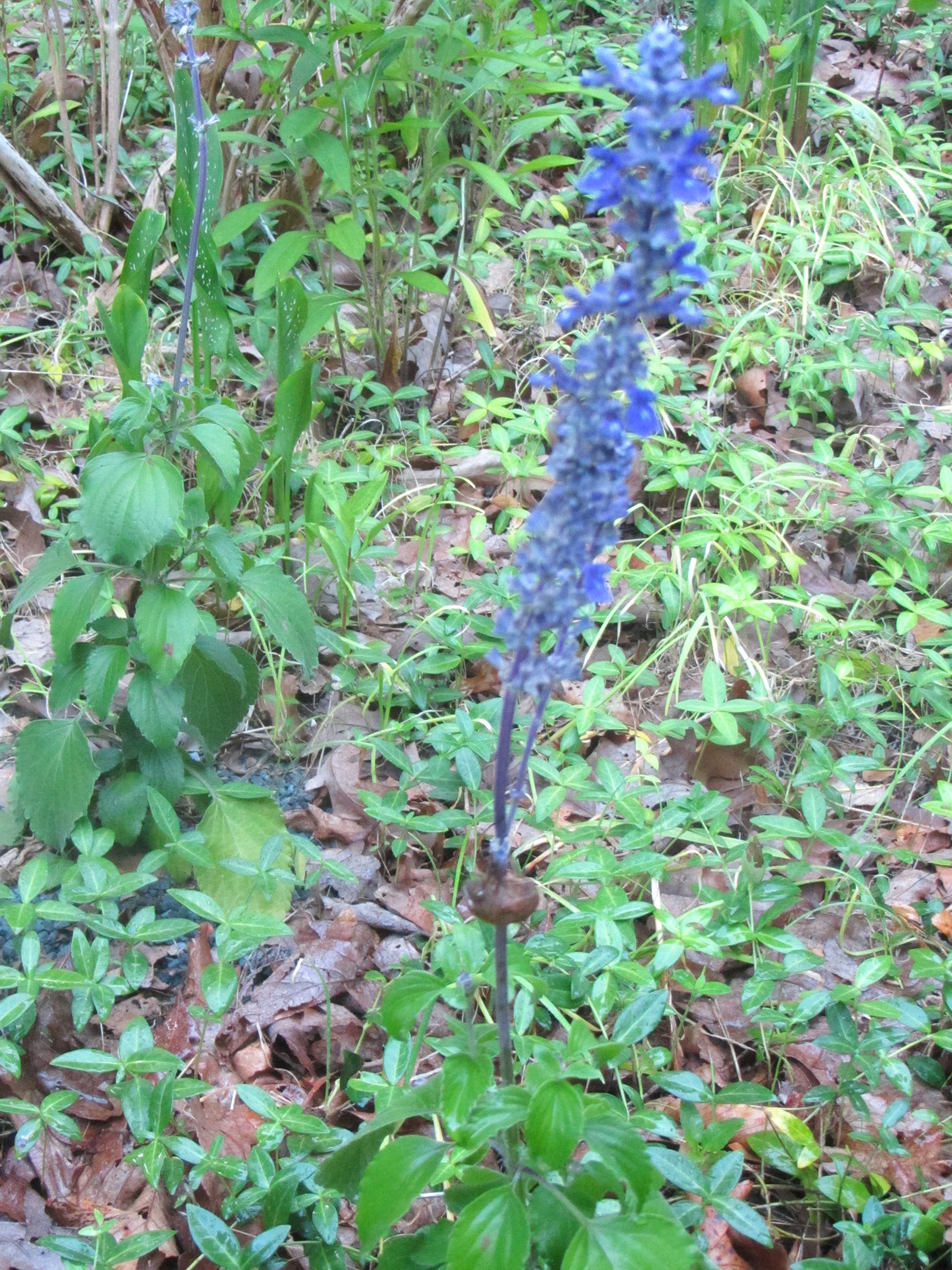
Plants grown from seed seem to handle drought better. Particularly when those seeds were sown by birds, squirrels, or the wind. While the expensive nursery grown plants droop and struggle, other, wilder, plants around them thrive. That is one of the ironies of gardening, isn’t it?
We will have another six to eight weeks of hot, humid days followed by warm nights, with sporadic, unpredictable rain. Spring’s enthusiasm has settled into survival-mode summer. Our local TV weather people clearly don’t garden. They talk about how nice it is to have a stretch of bright sunny weather with no rainy days. They are speaking for the hotels and restaurants at the beach and local theme parks, I’m sure. We are encouraged by each chance for some soaking rain and each promise of a cooler, cloudy day.
I’m beginning to wonder whether our planet’s guardians, the elemental spirits of water, wind, fire and earth, may not be using the chaotic, dramatic weather of these past few years to distract us from our phones and our TVs. Maybe they want us to pay attention to the natural world and understand that we can each have a part in repairing the damage done over these past decades. Or maybe they just want to emphasize that our own survival is inextricably intertwined with having a habitable environment. After all, we have all just lived through the 12 hottest months on record, since records first were kept in the 1850s. There is no reason to think that June, July, and August won’t break those records for average world-wide temperatures, too.
I’ve noticed the birds following me around the yard as I water each morning. Two golden hawks sat in a nearby tree squawking yesterday, preening their beautiful feathers and supervising my efforts. They followed as I moved from one area to another on the morning rounds. The cardinals and grosbeaks follow around to explore the wet ground in areas just watered. They bathe once I refill their bowl of water on the patio, happily splashing it around before the squirrels and rabbits get their chance to drink. Skinks and lizards drink from those plant saucers in the shadows. We still haven’t seen or heard a frog this year. I hope we will find some frogs, toads, and turtles once it finally rains again.
Nothing much looks lush in the garden today, except the ferns and emerging Lantana. Even some of the ferns looked droopy yesterday before I watered them. I’m grateful for all of the ‘drought tolerant’ plants we’ve chosen over the years here, and hope that the new Salvias will ‘establish’ and become lush by early fall. Until they do, there will be more early mornings spent in the company of birds, watering and watching for rain.
With appreciation to Jim Stephens of Garden Ruminations, who
hosts Six on Saturday each week.

 Our Forest Garden
🤩 Lovely six! Hope you get some rain… we’ve been deluged!
LikeLiked by 1 person
Thank you, Eliza, we are watching the weather in your corner of the country today. I’m glad you are getting some rain, and hope that the stronger storms go around you. ❤ ❤ ❤
LikeLiked by 1 person
Good morning, Eliza,
It looks like you may have some rough weather coming later today. We are keeping you in heart and mind and trust that all will be well for you and yours.
e
LikeLiked by 1 person
🙏🏼
LikeLike
Plants that grow in place from seed disperse their roots so much more efficiently than those that were grown within the confinement of nursery cans, and then added to the landscape. I try to explain that to clients who want the biggest specimens of some items that are available. As they take time to disperse roots, most of the biggest languish longer than smaller specimens of the same would. Kniphofia though, should be very undemanding. Although it does not naturalize here, it can survive without irrigation. A few live in an unirrigated area of the Park down the road. The first that I met when I was a kid lived on a roadside long after the house that they were associated with was demolished. They were there until the road was widened.
LikeLiked by 1 person