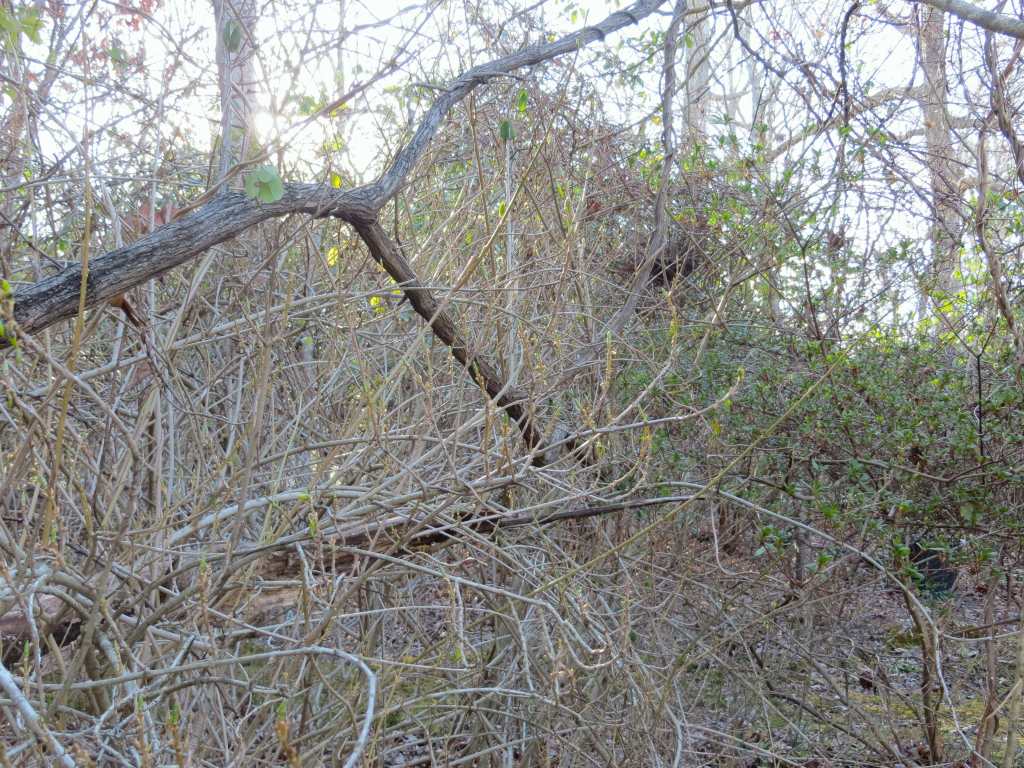
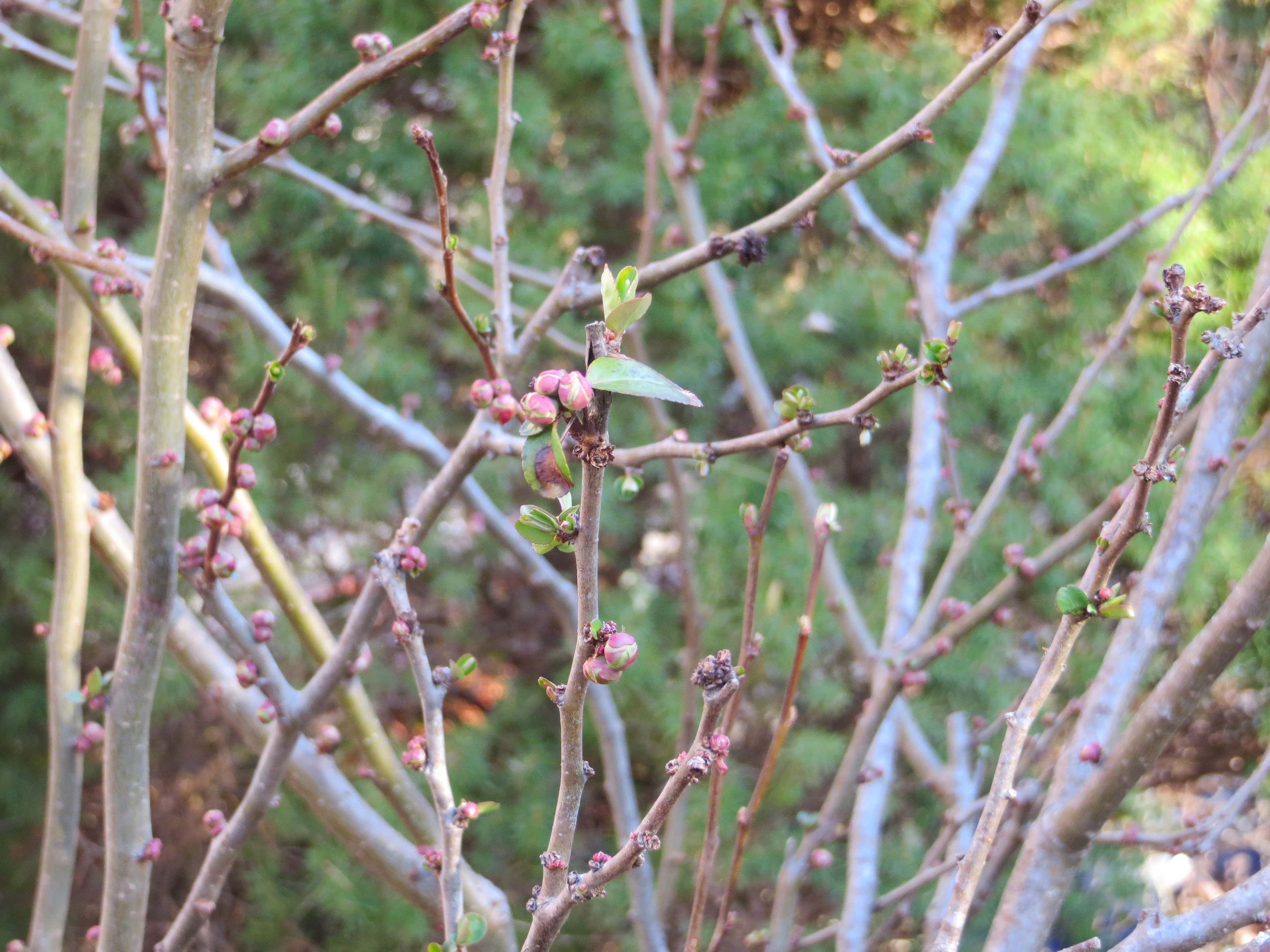
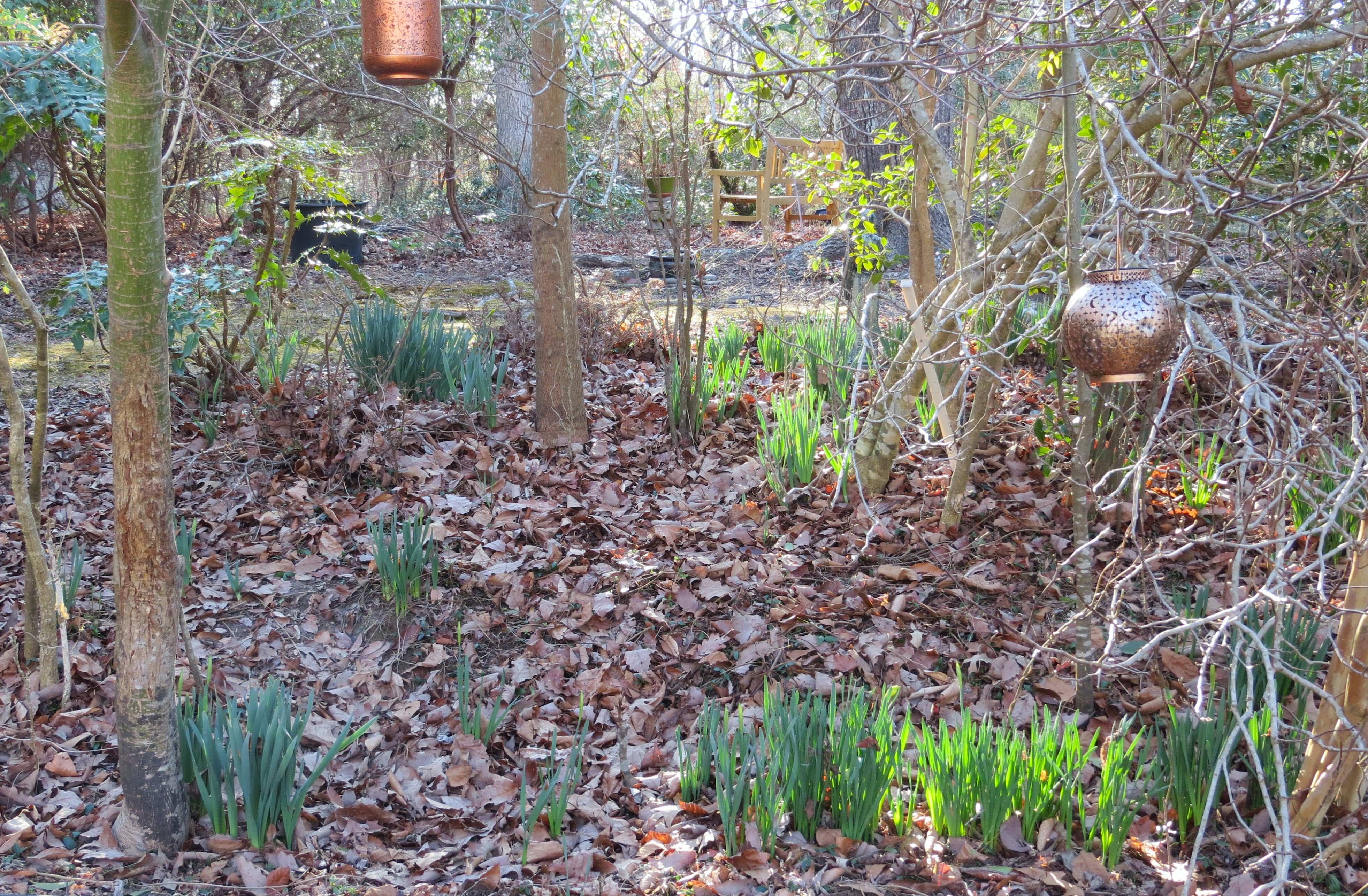
We gardeners make a lifelong study of changes great and small. We watch for changes in light, in soil texture, in the shapes and colors of plants to guide us in our work and orient us in the seasons. We watch and wait, knowing that time runs differently in gardens; sometimes swiftly and sometimes hardly at all.
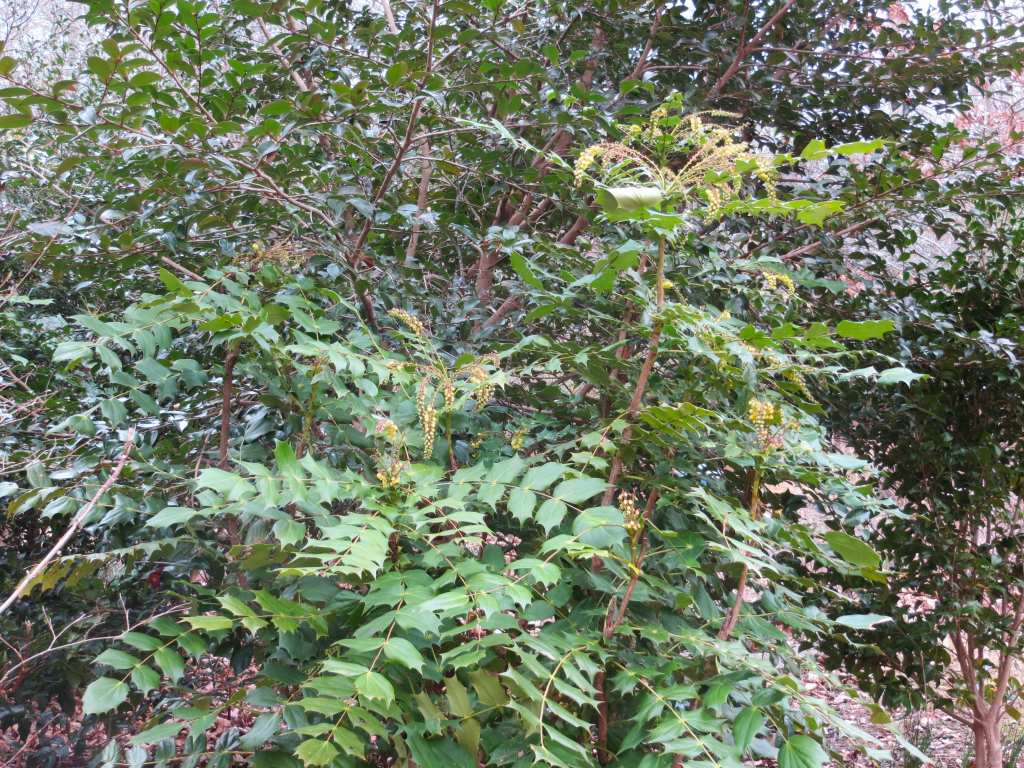
Some years the daffodils began blooming in late December. This year, my neighbor’s first daffodils broke bud in late January, and our first daffodil opened on Thursday, much later than normal. Some years, the Forsythia begins to bloom by the first week of February. Ours is just beginning to show its first color as February melts into March. Hellebores and snowdrops are late this year, too. And the Oregon grape holly that often feeds bees in December still has its flowers tightly closed against this winter’s cold.
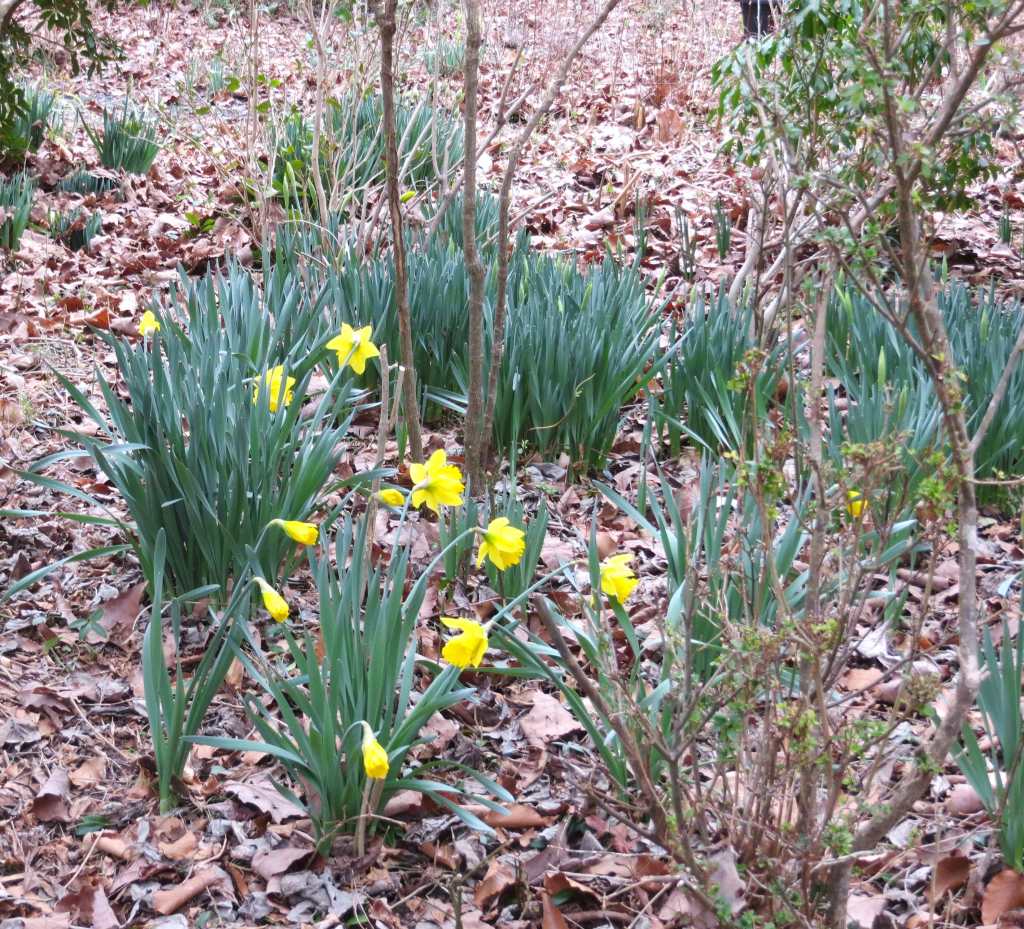
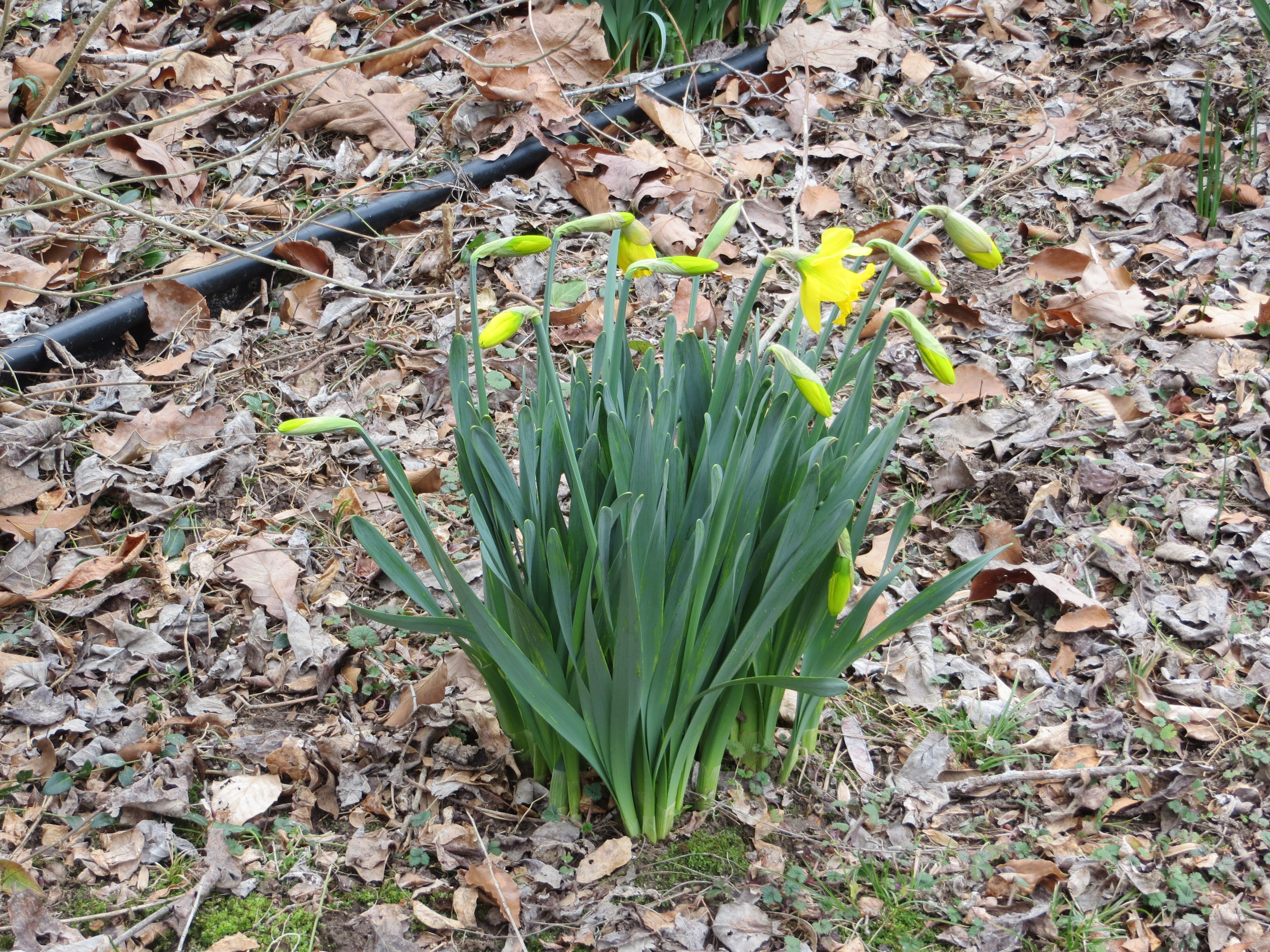
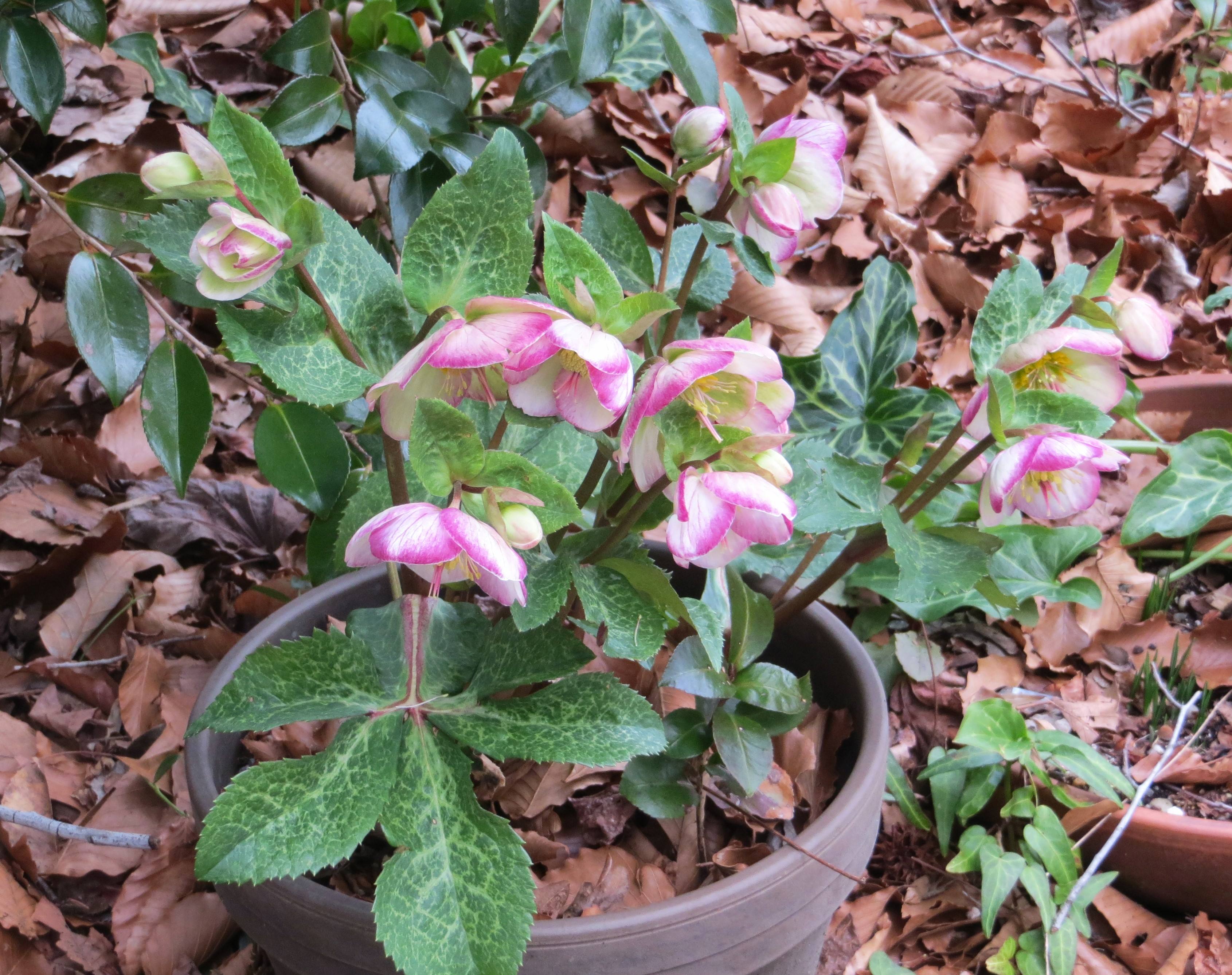
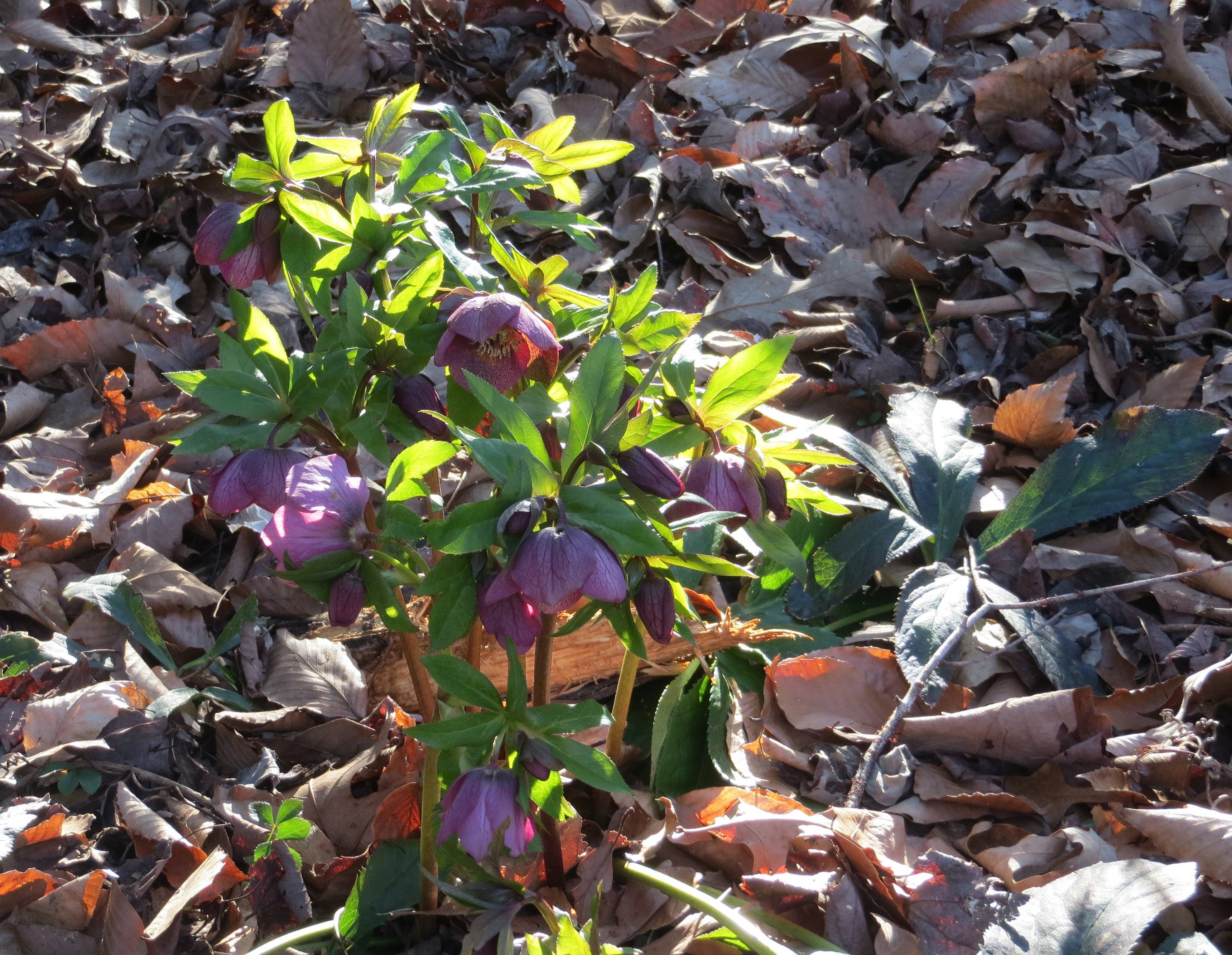
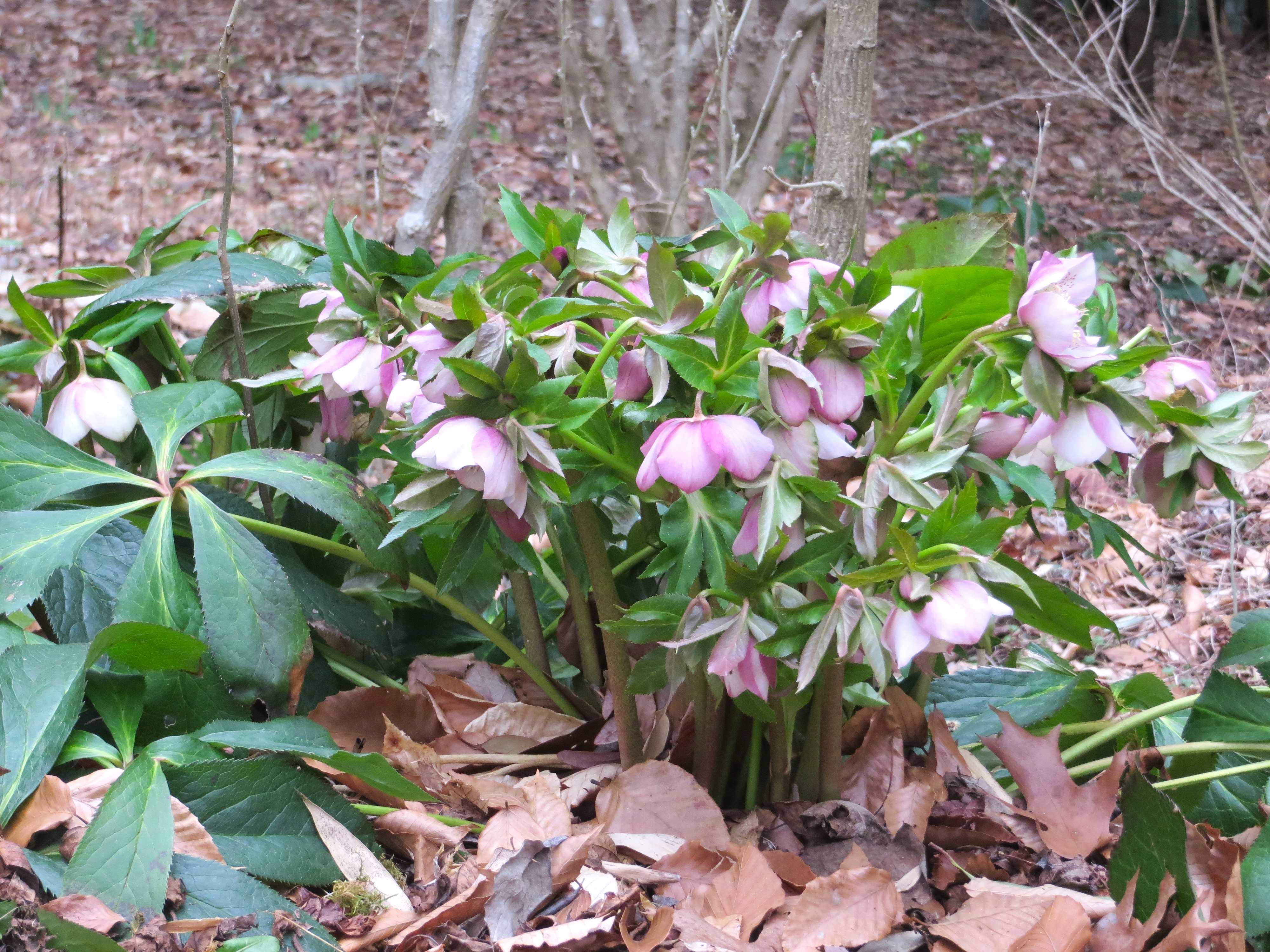
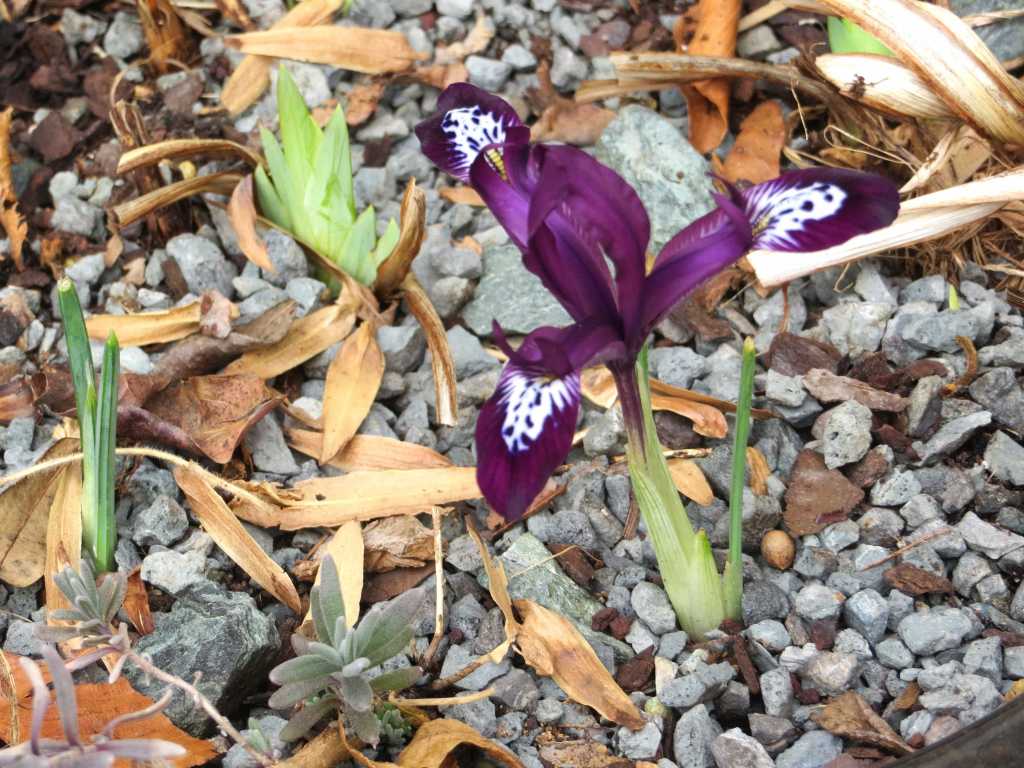
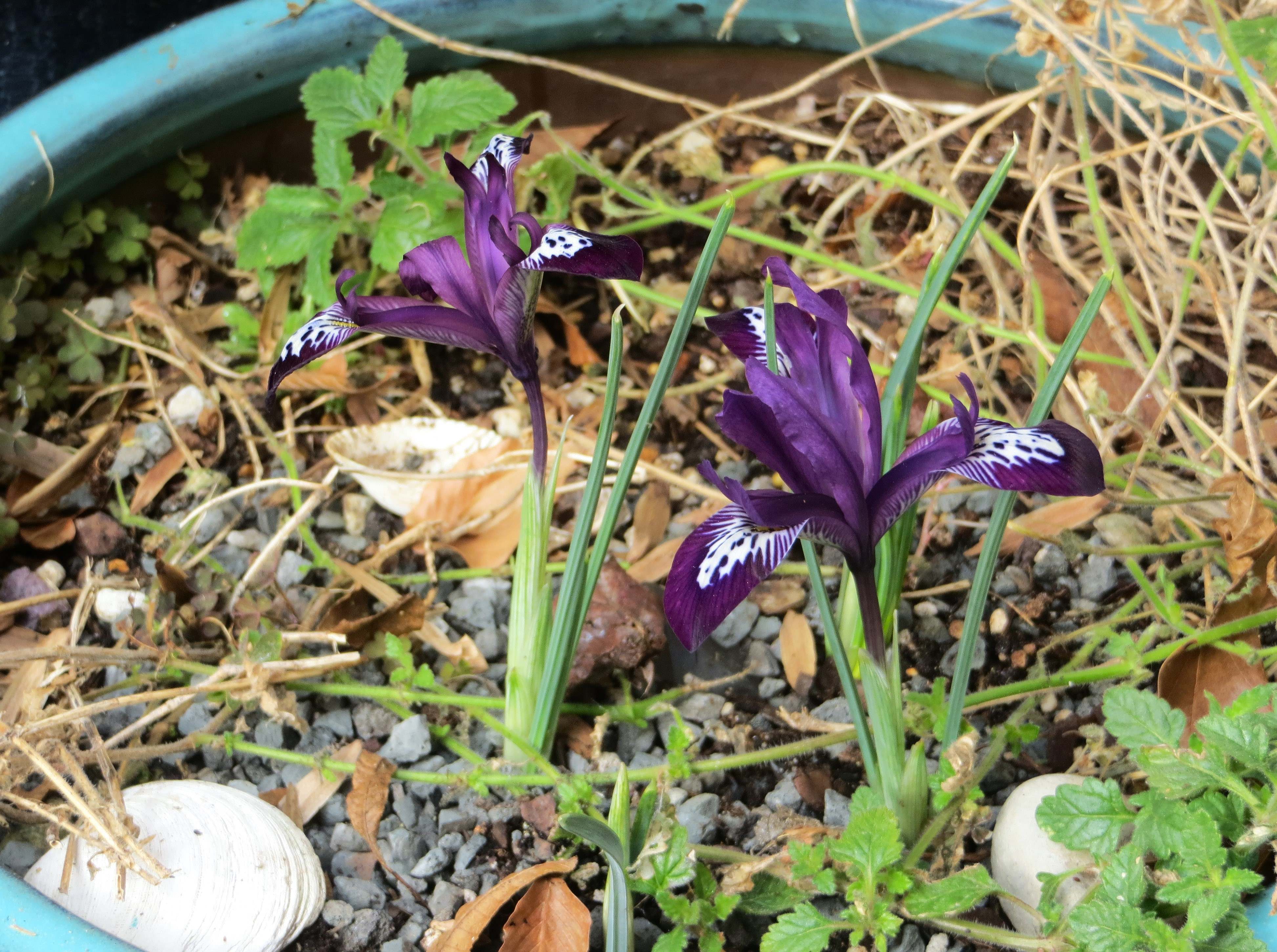
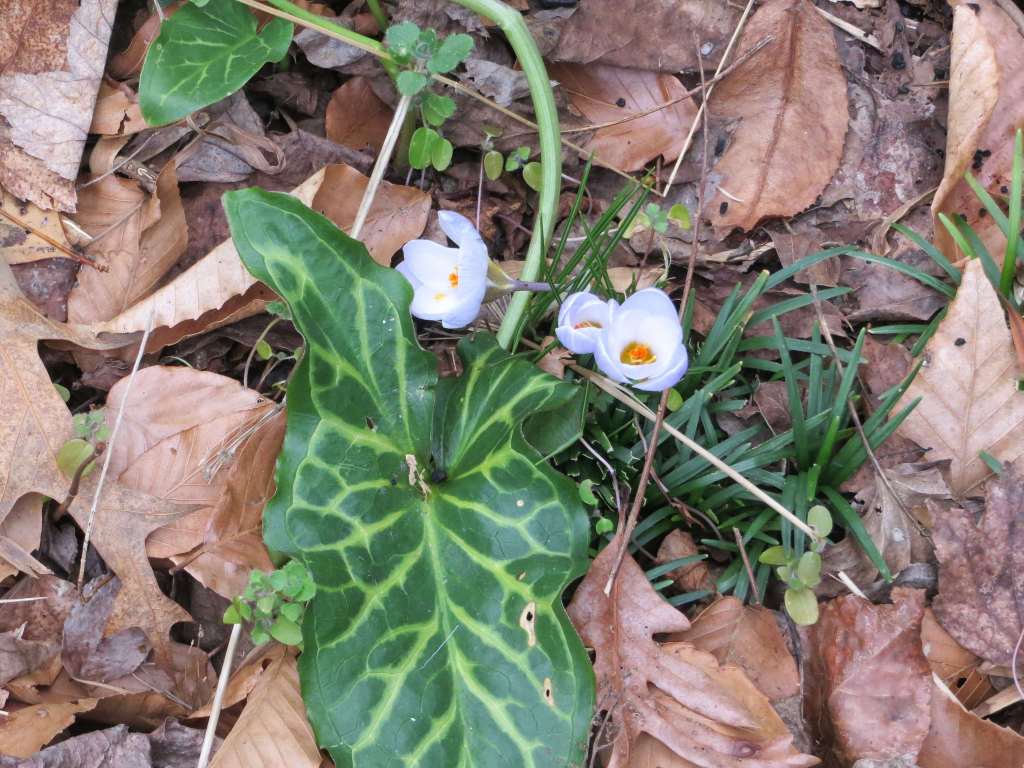
We felt the change in weather this week with longer, warmer days. Friends have warned me about ‘false spring.’ Maybe… our night time lows will drop back into the 20sF this week, beginning tonight. But it isn’t a ‘false spring’ because spring is surely opening the buds on branches and opening the soil to the ambitions of snowdrops, daffodils, Hellebores, and early Iris pushing through the soil and its mulch of dried, fallen leaves, to finally bloom in the chilly sunlight. It is that always magical time when spring quarrels with winter and winter eventually loses, surrendering to the sun’s lengthening rays and the telluric energies rising in Terra Mater, known as Tellus in ancient Rome, gently insisting it is time for the world to awaken from its winter sleep.
Warmer days brought me back outside this week, too, walking around and noticing what needs to be done to tidy the garden and prepare for the season ahead. I walk around with secateurs in my hands or in my pocket once again, cutting away the old to make way for the new. I’m cleaning leafy mulch out of flower pots, picking up fallen sticks, and spreading copious amounts of deer repellent.
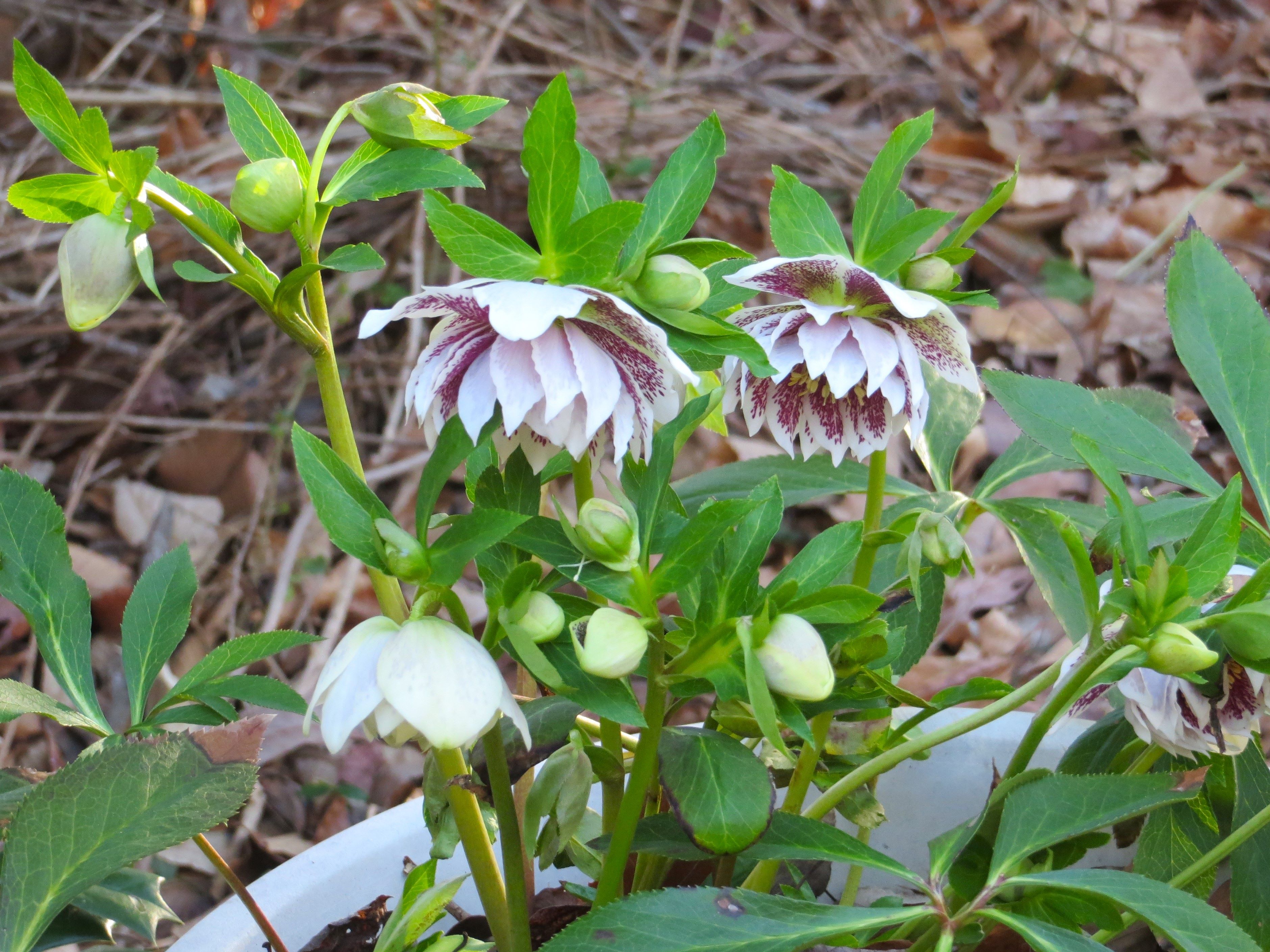
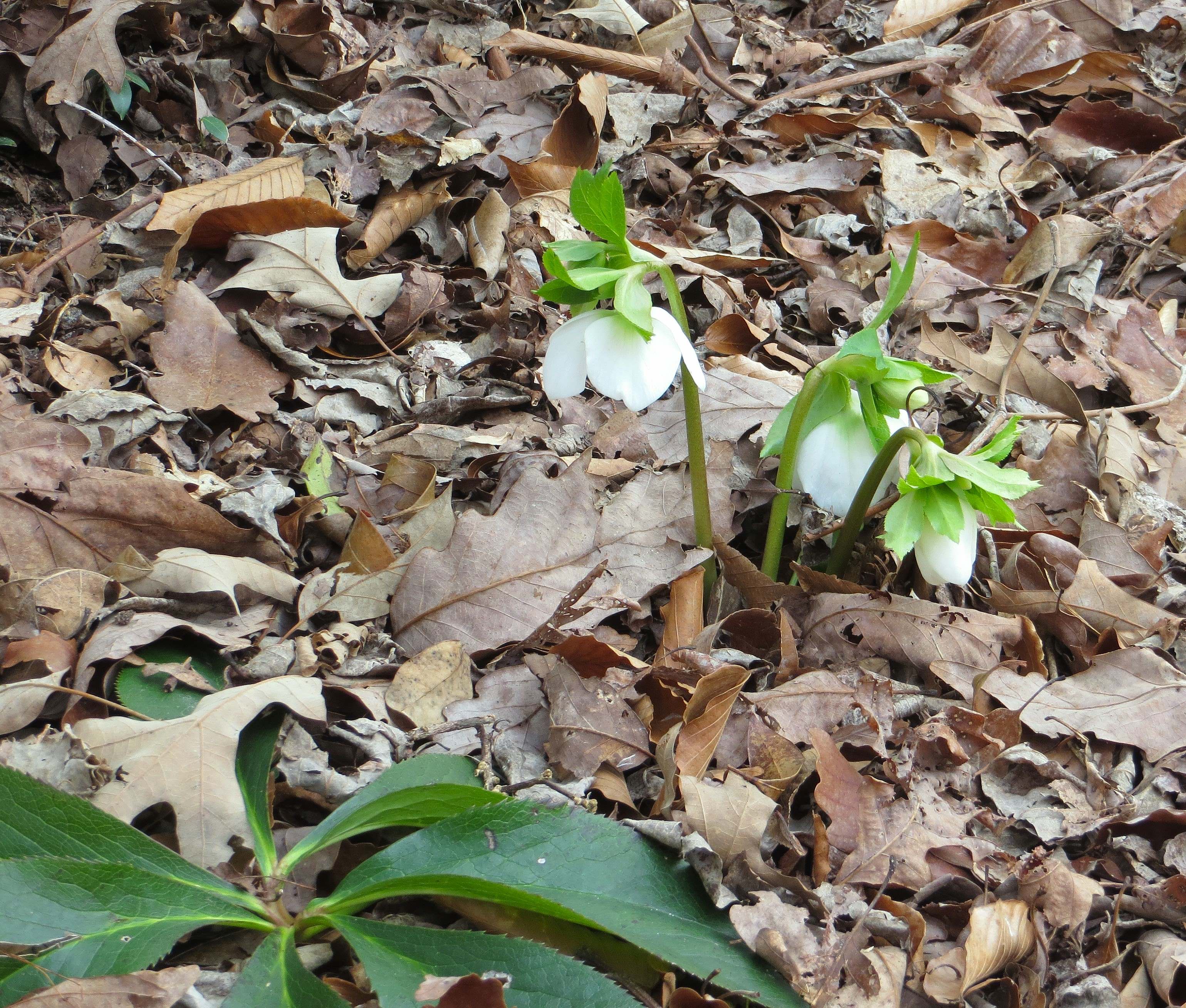
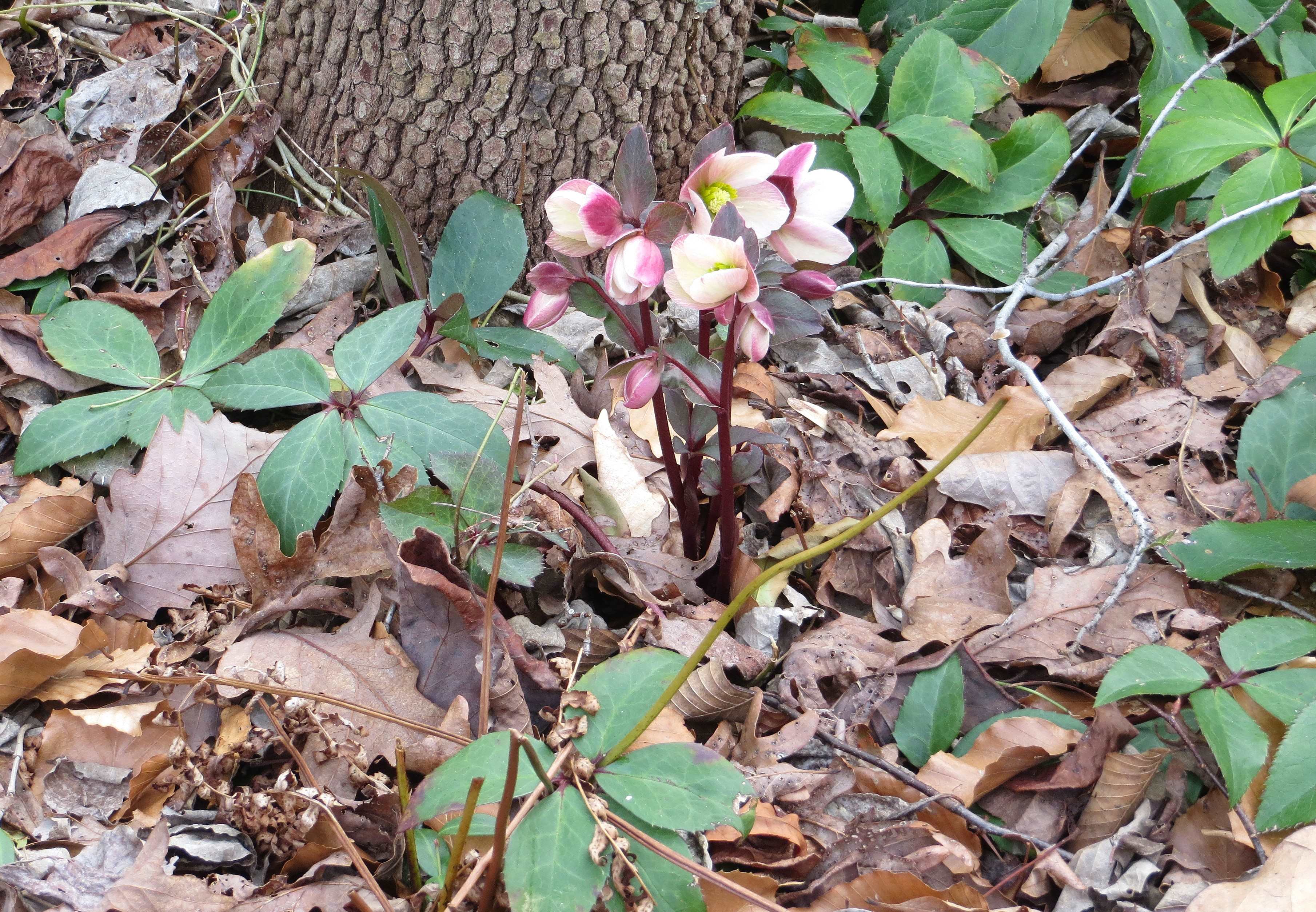
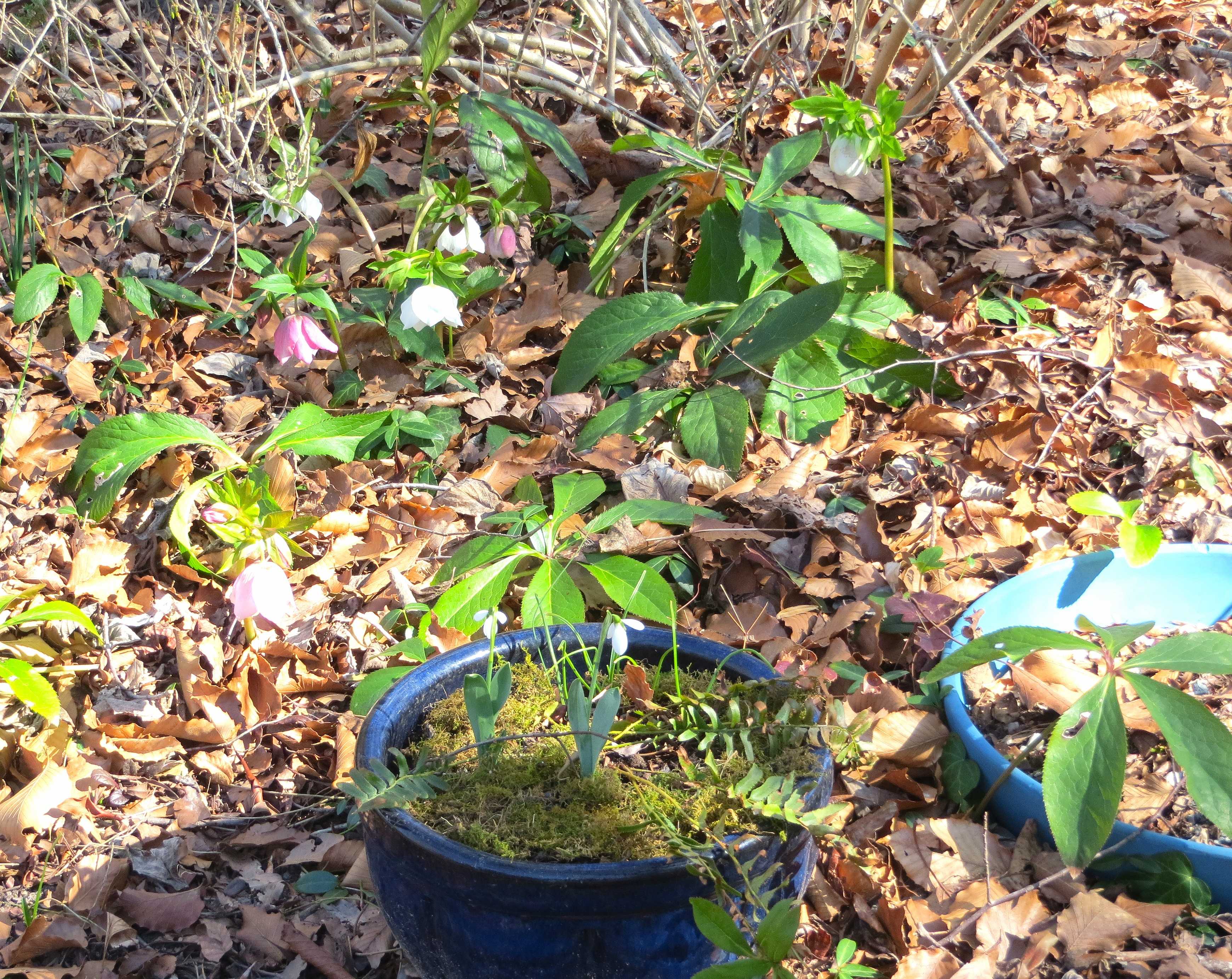
The best and most affordable ‘deer repellent’ for our garden is sold as a fertilizer known as Milorganite. It is considered an organic fertilizer containing 6% water soluble nitrogen, 4% phosphorous, and minerals. And Milorganite is widely recommended by landscapers in our area to deter deer over at least 2 months. I resisted trying it for over a year, and then stopped using it in 2020 because it is made with microbes used to clean the municipal wastewater in Milwaukee. “Milwaukee Organic Nitrogen” is a byproduct of their process to clean water in the sewage system before the water is returned to Lake Michigan. The microbes and remaining solid waste are then kiln-dried into small hard pellets, which is what you find when you open a bag of Milorganite.
But I have noticed that our flowering shrubs haven’t been quite as green and vibrant in these past few years since I stopped spreading Milorganite in our yard. Some are showing signs of needing a bit if iron, which Milorganite supplies. Worse, the Camellias are badly grazed as far up as the deer can reach and most of our evergreen ferns are decimated. I wanted to spread repellents before the fiddleheads emerge with new growth.
And so I purchased a bag of Milorganite this week, masked up and pulled on my gloves, and spread the entire 32 lb. bag within about an hour. I expect the Milorganite to give all of the ferns, shrubs, and moss a boost even as it protects them from any more grazing for a while. Since Milorganite isn’t sold as a deer repellent, but rather as an organic fertilizer, there is nothing on the label about repelling deer or frequency of application for that purpose. Landscapers advised me it would work for at least 6 weeks, perhaps 2 to 3 months depending on many factors including the number of deer trying to feed in the area and what else they have available to eat. Rain doesn’t reduce its effectiveness as a repellent.
I am hoping that using Milorganite again to protect certain shrubs and fern beds, along with other measures, will at least give the Camellias a chance to recover with new leafy growth and give the evergreen ferns a chance to leaf out this spring. Last spring, I found severed fiddleheads around many of our ferns, including the always tough holly ferns that are normally impervious to grazing. Something was biting off the growing fiddleheads without actually eating them. It remains a mystery, and one I hope to not repeat this spring.
A bit of gardening time outside each day this week has given me time to think about cycles, change, and personal responsibility. I’m wondering if perhaps this is ‘the year’ to refrain from purchasing a lot of new plants. I have towers of used nursery pots already, and I’ve watched many of the plants that came in those pots get eaten by animals within just a few weeks of planting or struggle in summer’s dry heat. When is enough, ‘enough’? on all levels?
Like many others, I’m also considering where and with whom I want to spend both time and money in the months ahead. Should the political leanings of vendors matter, when we are deciding where to shop? Or should we continue to simply buy what we please without considering which points of view our dollars support? There is a movement afoot in the United States to use our purchasing choices and timing as a form of political speech. (The first day to abstain from all shopping was yesterday, February 28, and I survived it.)
Before you remind me that gardening isn’t political, let me suggest that gardening is, in fact, an expression of our views, our concerns, and our approach to managing our natural resources either in cooperation with others, or in competition with others’ needs. Our values are reflected in how we garden, what we plant, and the many choices we make. The herbicides my neighbor sprays on his property drift onto mine. The lawn chemicals run-off into our shared waterways. Whether I grow plants that require gallons of irrigation or which can survive on just normal rain matters when fresh water becomes scarce. The piles of plastic pots I collect are problematic, and I need to consider the costs of those miles driven to deliver plants from southern nurseries to my yard. All these questions and observations are ‘composting’ in my awareness this spring.
And so I am walking around, watching new life emerge from sticks and soil, and wondering what lies ahead for this growing season. It is off to a beautiful, if slow beginning. This is a season to savor, full of promise, hope, new possibilities, and new lessons learned about the nature and the inevitability of change.
With appreciation to Jim Stephens of Garden Ruminations, who
hosts Six on Saturday each week.

 Our Forest Garden
Blood and bone meal is a fertilizer that I used to deter gophers, as well as accelerate root dispersion for a hedge of Arizona cypress. I started using it primarily to get rid of an unused bag of it that had been laying around for years, but was impressed with the results. The cypress are now big enough to not need gopher repellent, but while getting established, provided this useful information. I hope it is accurate, and that the gophers did not happen to leave coincidentally after the application of the fertilizer.
LikeLiked by 1 person
Blood is an ingredient in many commercial deer repellents. Something about the fragrance warns animals off, I’ve read. It warns me off! But blood meal and bone meal certainly are effective fertilizers! Did you use it just at planting time? Or did you keep applying it periodically?
LikeLiked by 1 person
Periodically. I gave the cypress nothing after installation, but panicked when I noticed gopher activity nearby. They are a bit top heavy now, as if they grew faster than they can support. Besides the five Arizona cypress, there are three Monterey cypress lower down.
LikeLiked by 1 person
Creatures that attack from underground, attacking the roots, are particularly troublesome. For you gophers, for us voles. We are always looking for tunnels and holes to close off and fill. Maybe I’ll try the bone meal in them this year 😉
LikeLiked by 1 person
I really like the hellebores photographed in photo 1 and photo 4
Good luck with the Milorganite…damned deer
LikeLiked by 1 person
Thank you, Fred. The hybrids are pretty, and the seedlings always a surprise! We enjoy them. I appreciate all the luck you can spare ❤ ❤ ❤
LikeLiked by 1 person
Your hellebores are such a beautiful thing to behold!
LikeLiked by 1 person
They change and grow more beautiful every day!
LikeLiked by 1 person
I also love the hellebores, and seeing a future vision of my daffodils. I have seen deer in town, but never in the neighborhood. I have bunnies, mostly but they are not a big problem, I suppose because we also have hawks. I agree – it is important to consider how we manage our spaces.
LikeLiked by 1 person
The animals are wonderful to watch and we are glad to have them around. I wish we could co-exist with the deer without the destruction they bring. I hope you will be enjoying your daffodils soon! ❤ ❤ ❤
LikeLike