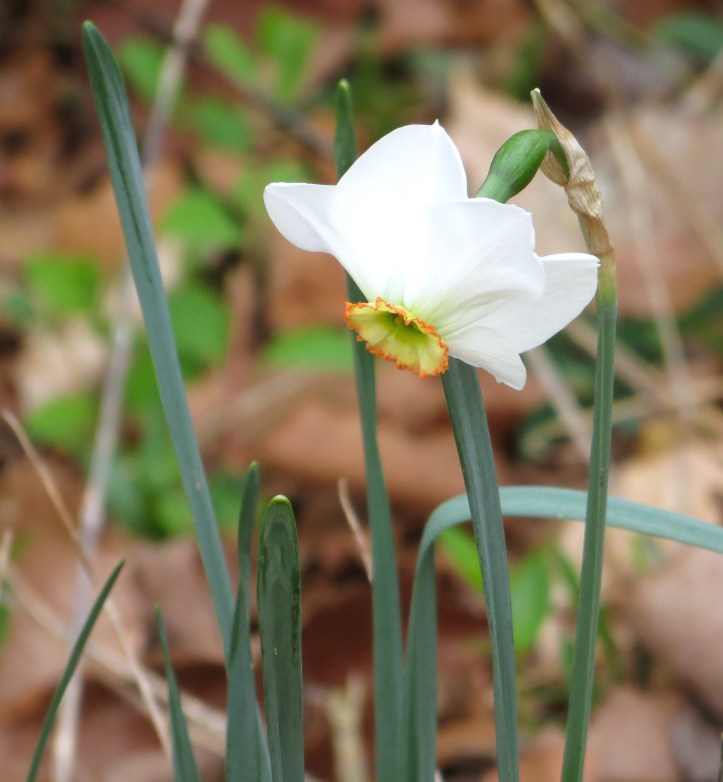
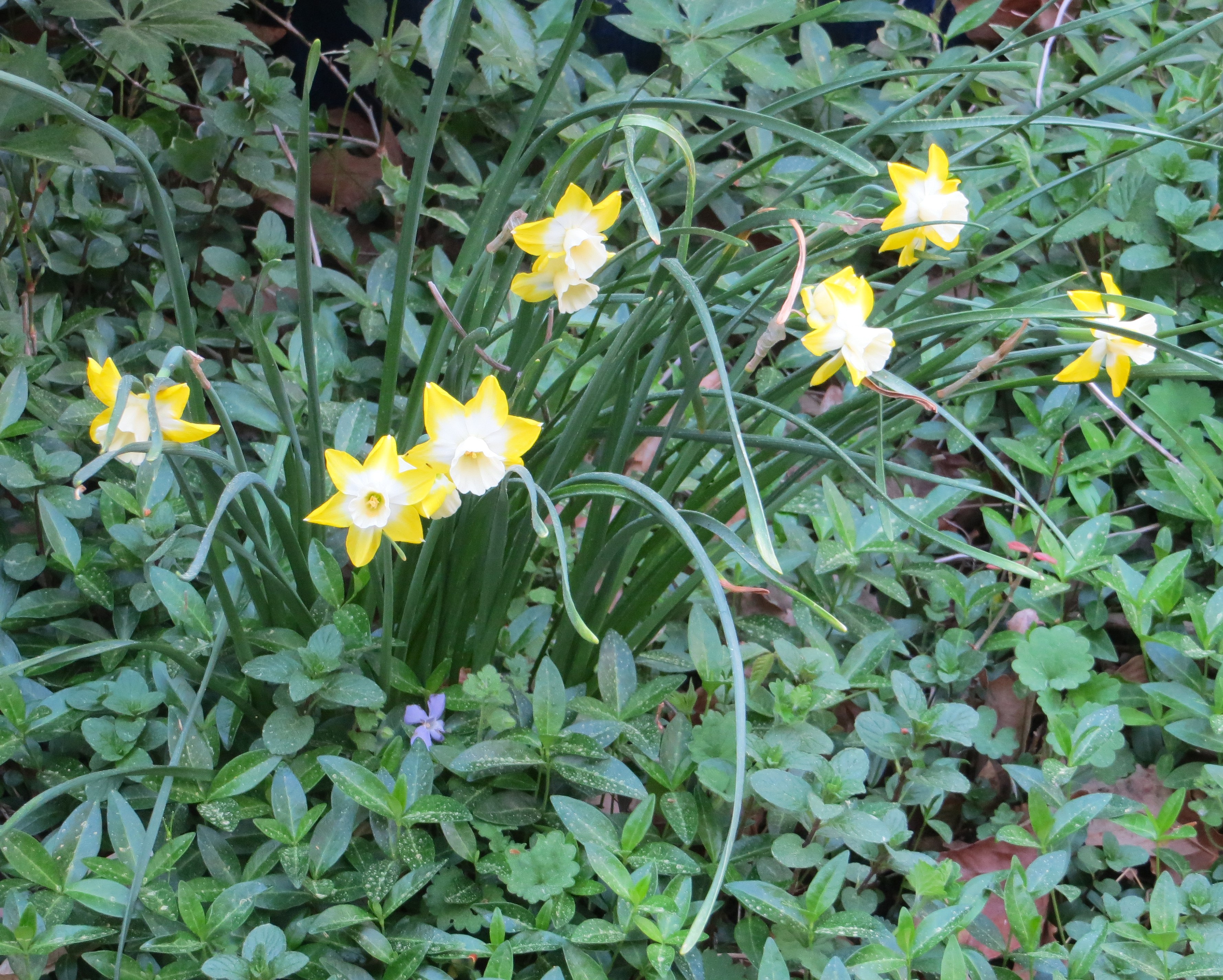
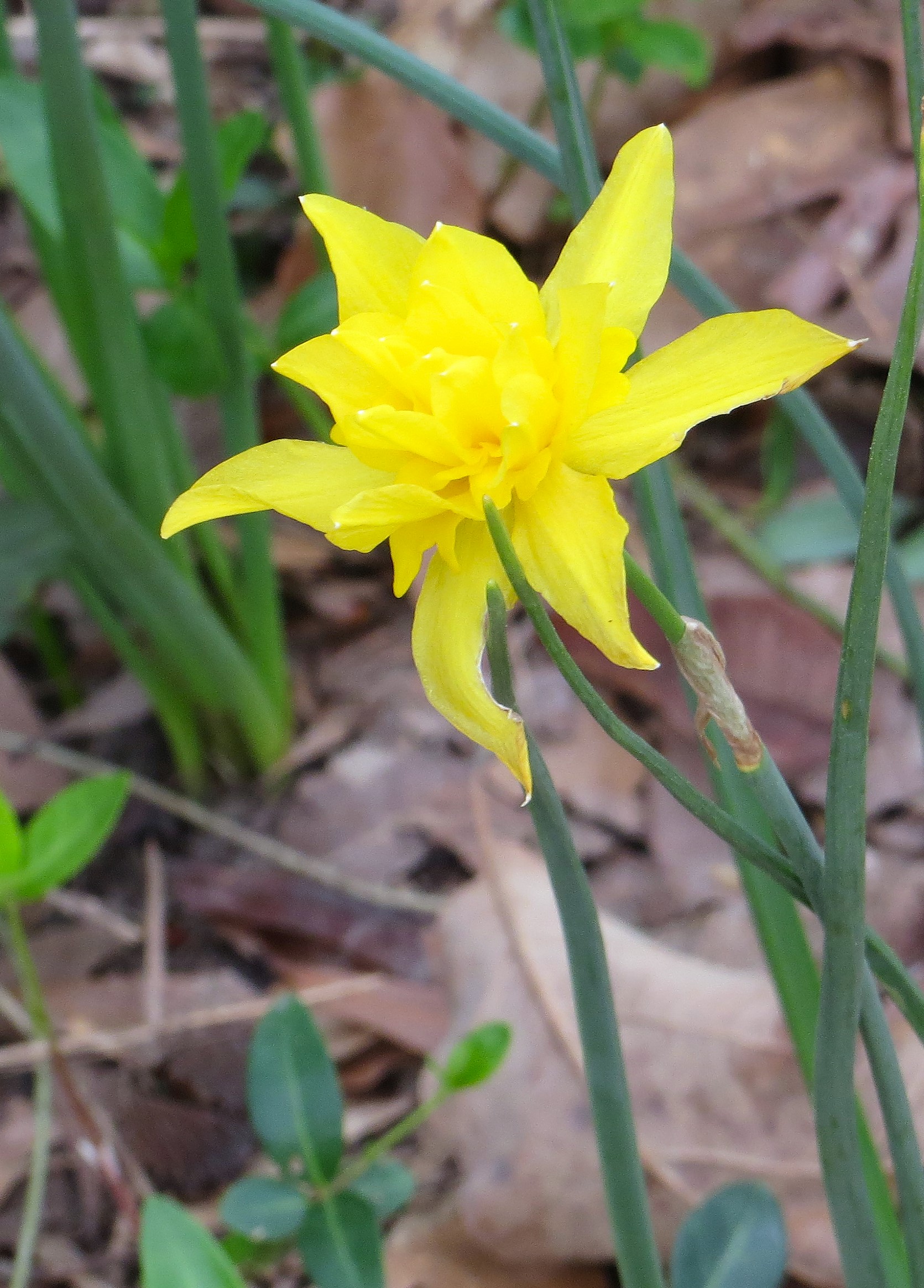
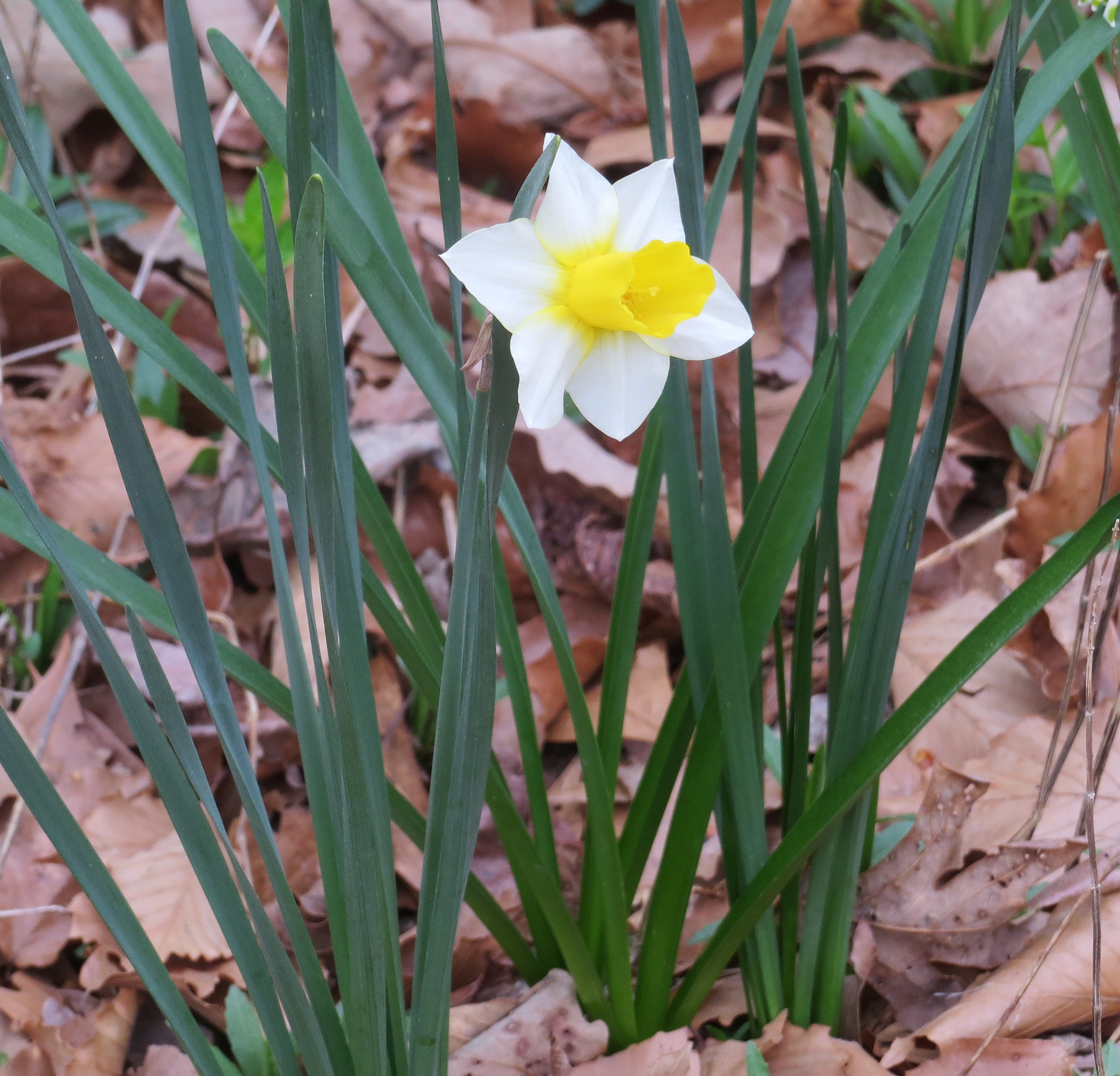
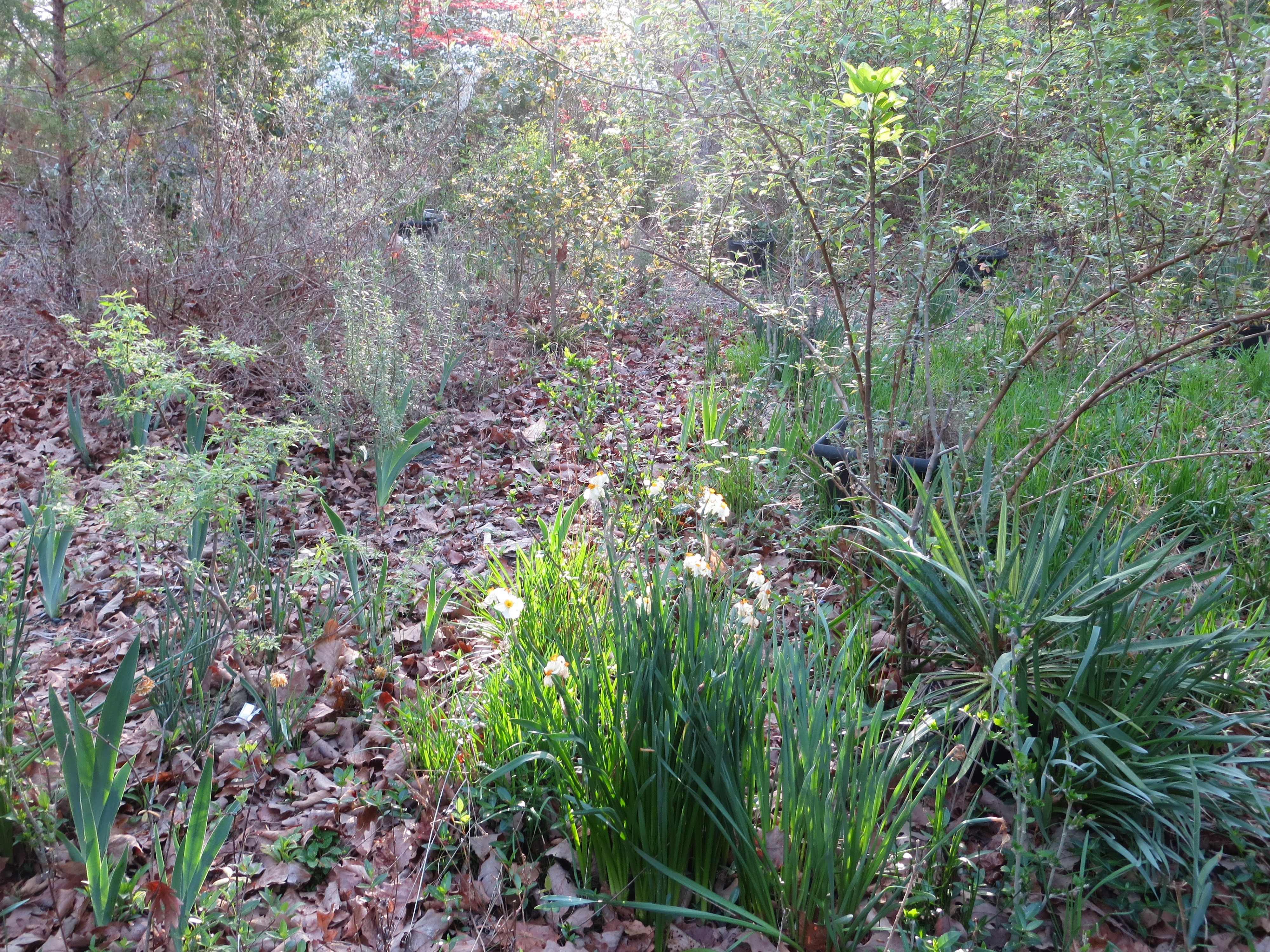
Spring continues to unfold along a weather roller-coaster, surprising us and delighting us along the way. Wild swings from unseasonably hot to wintery cold have played out with little rain, keeping the plants and birds wary while we try to figure out when it might be safe to bring plants outdoors to stay. The dry weather has been different from our normal spring weather and I wonder whether it has stunted the daffodils a bit. They seem smaller this year than most, and more sparse.
We were forecast to have rain most of last Sunday, but it was coming with a line of storms sweeping across the continent extending from Canada where it was snowing, to thunderstorms in Mexico and Texas. The storms weakened as they rolled eastwards, and we ended up with a few hours of gentle rain. We were very grateful to have avoided any storm damage. But after less than an inch of rain on Sunday, we have enjoyed blue skies and dry weather. I am finding my way back to a rhythm of watering the garden again, much earlier in the season than most years.
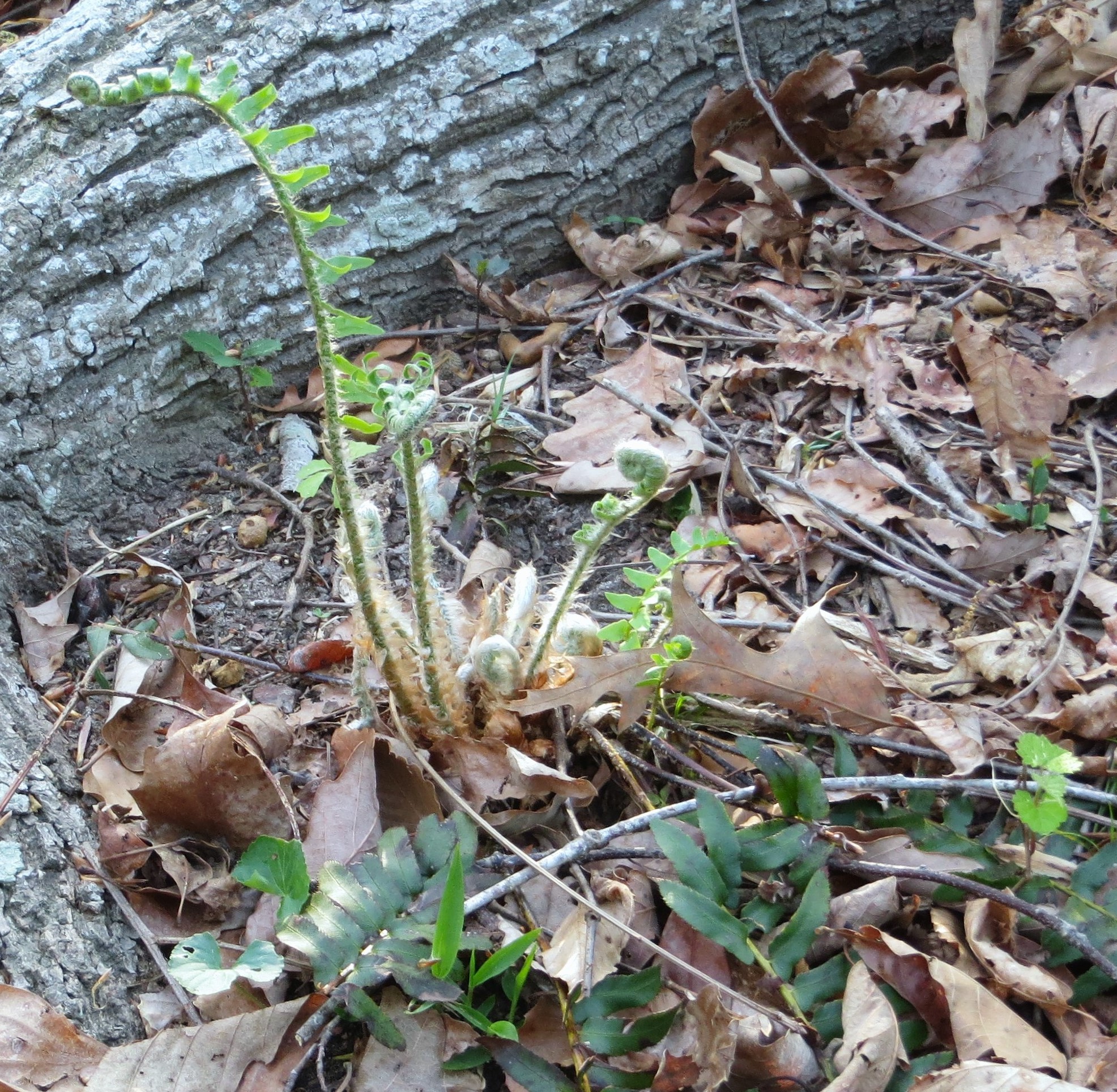
Every spring finds us watching for every bit of color, every spring flower to bloom, and every fern to unfurl its new fronds. The search is a bit more keen when a hard winter tests the garden’s tenacity. The young and the marginally hardy hold on as long as they can, and we watch for signs of returning life from the roots. We feel deeply grateful for every flower, leaf, and frond as the garden awakes from winter, and for every bee visiting the flowers.
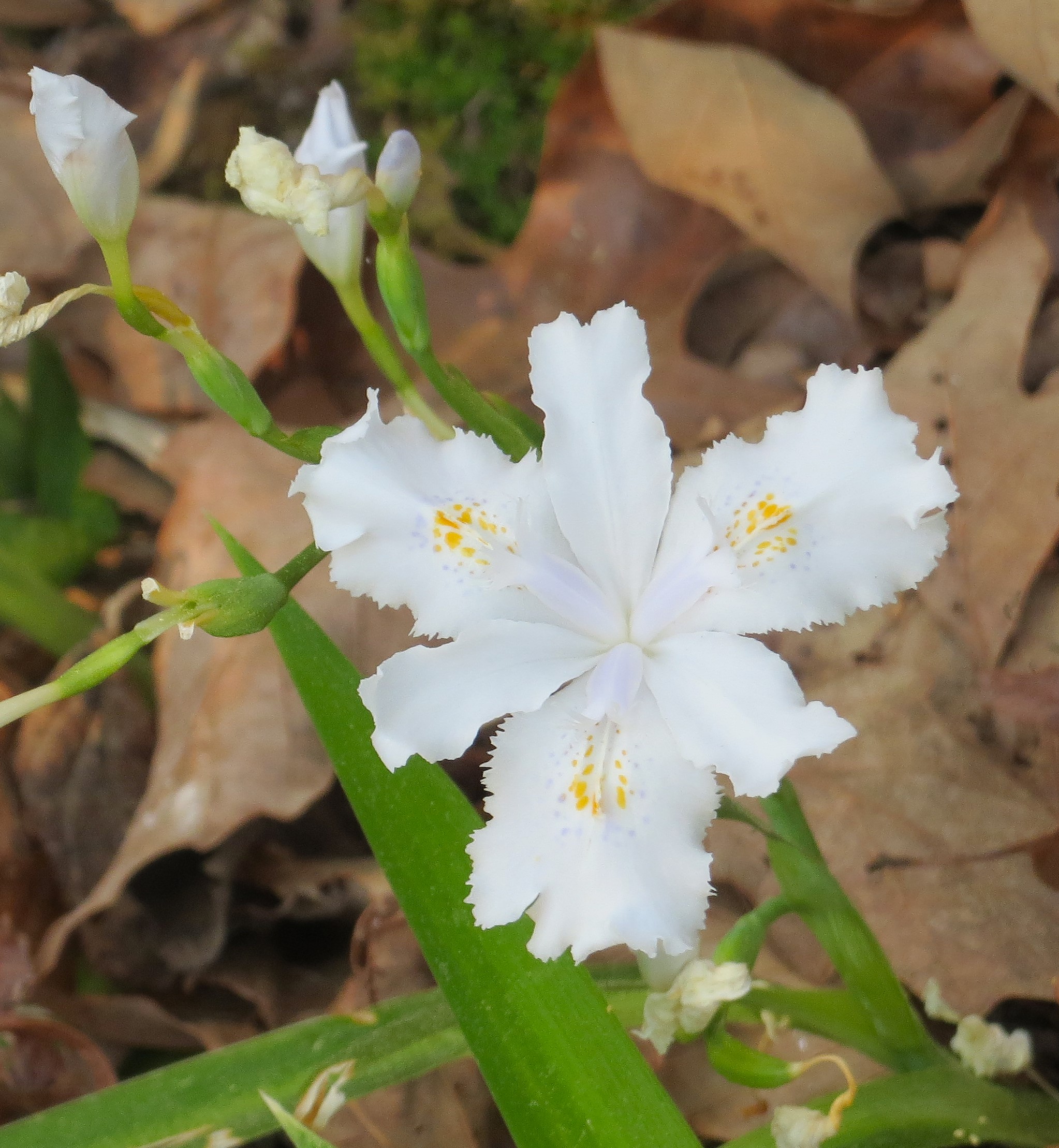
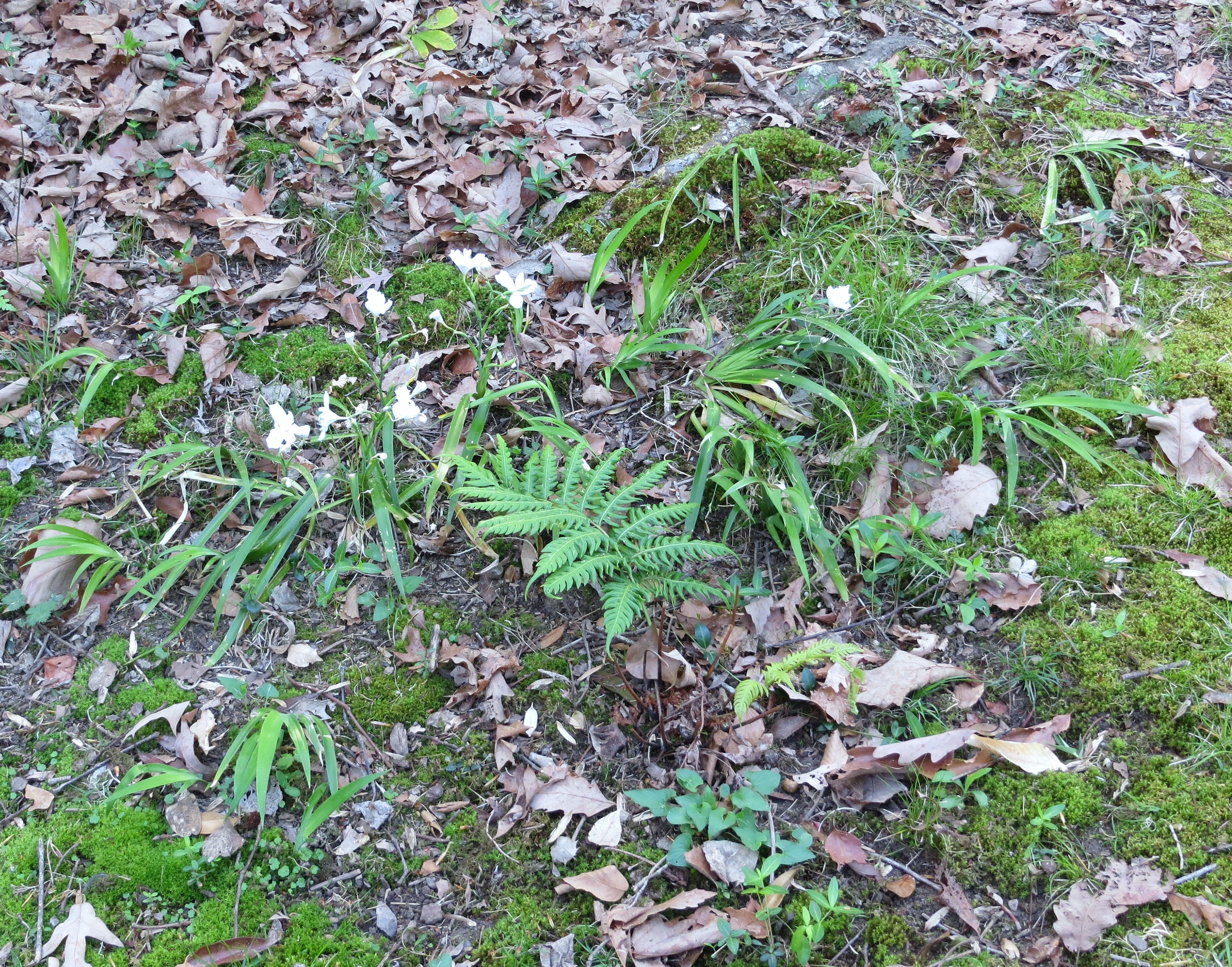
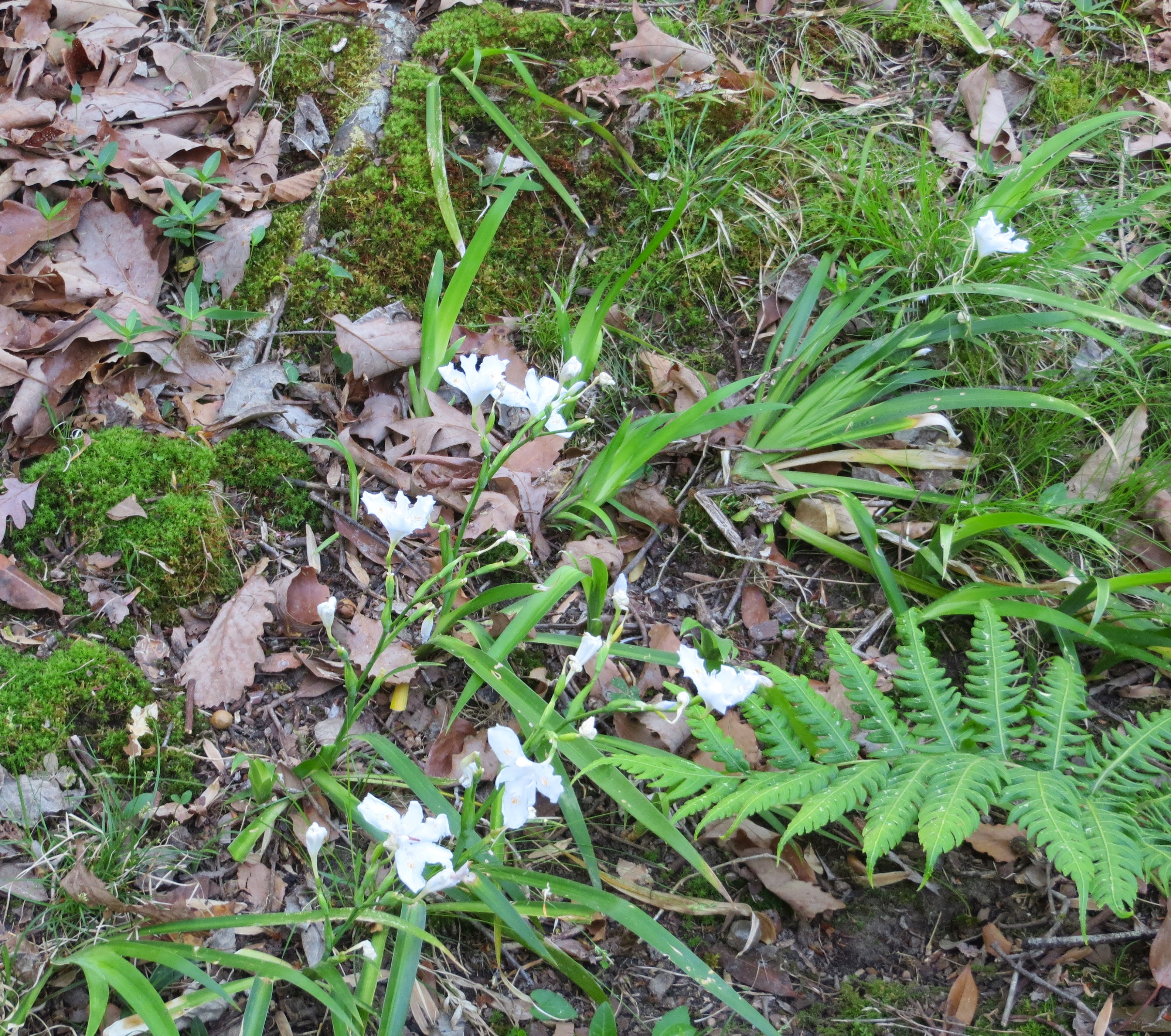
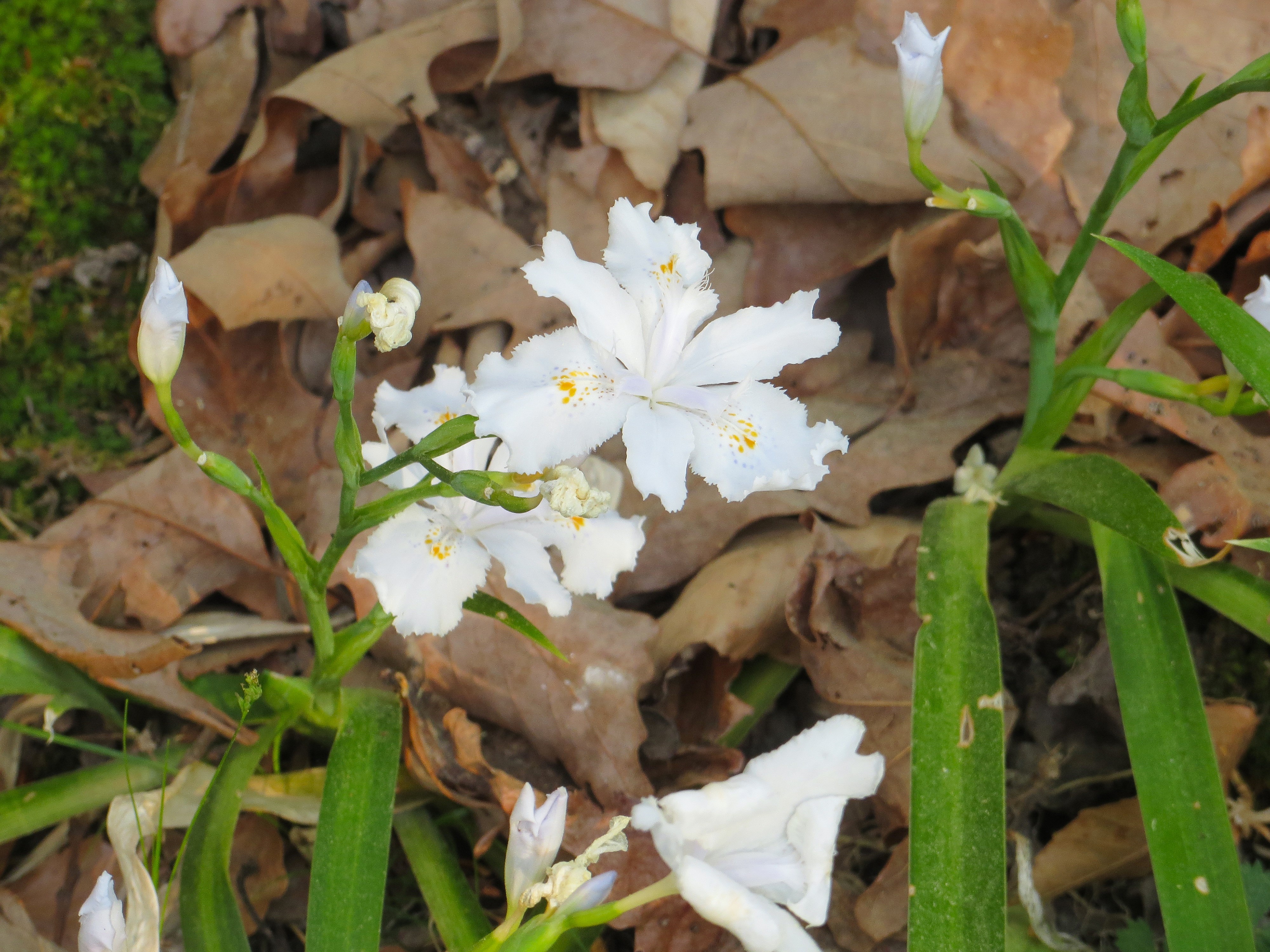
The small clump of native Iris cristata I planted about five years ago is spreading nicely now and gave us more flowers than ever before. It has been blooming over a little more than two weeks, now, but this Iris didn’t bloom at all for the first few years after transplanting. This is a shade tolerant, spreading Iris that will form an ever-expanding patch as its rhizomes reach in all directions. I planted an Asian Woodwardia fern beside it last spring, and a Mexican Woodwardia nearby a little later in the season. This is a shady area, under oak trees and mountain laurel, that I am cultivating mainly in moss and ferns.
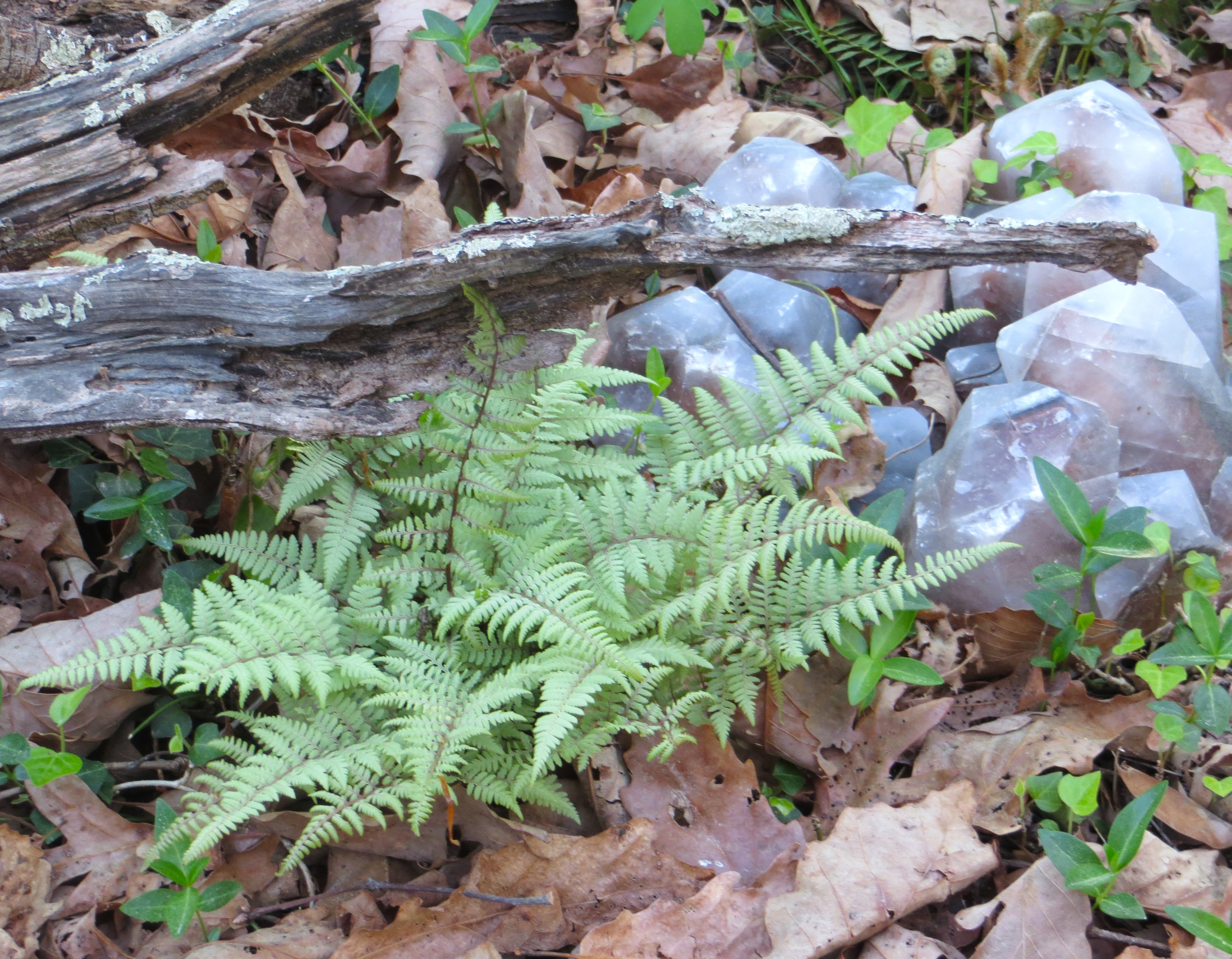
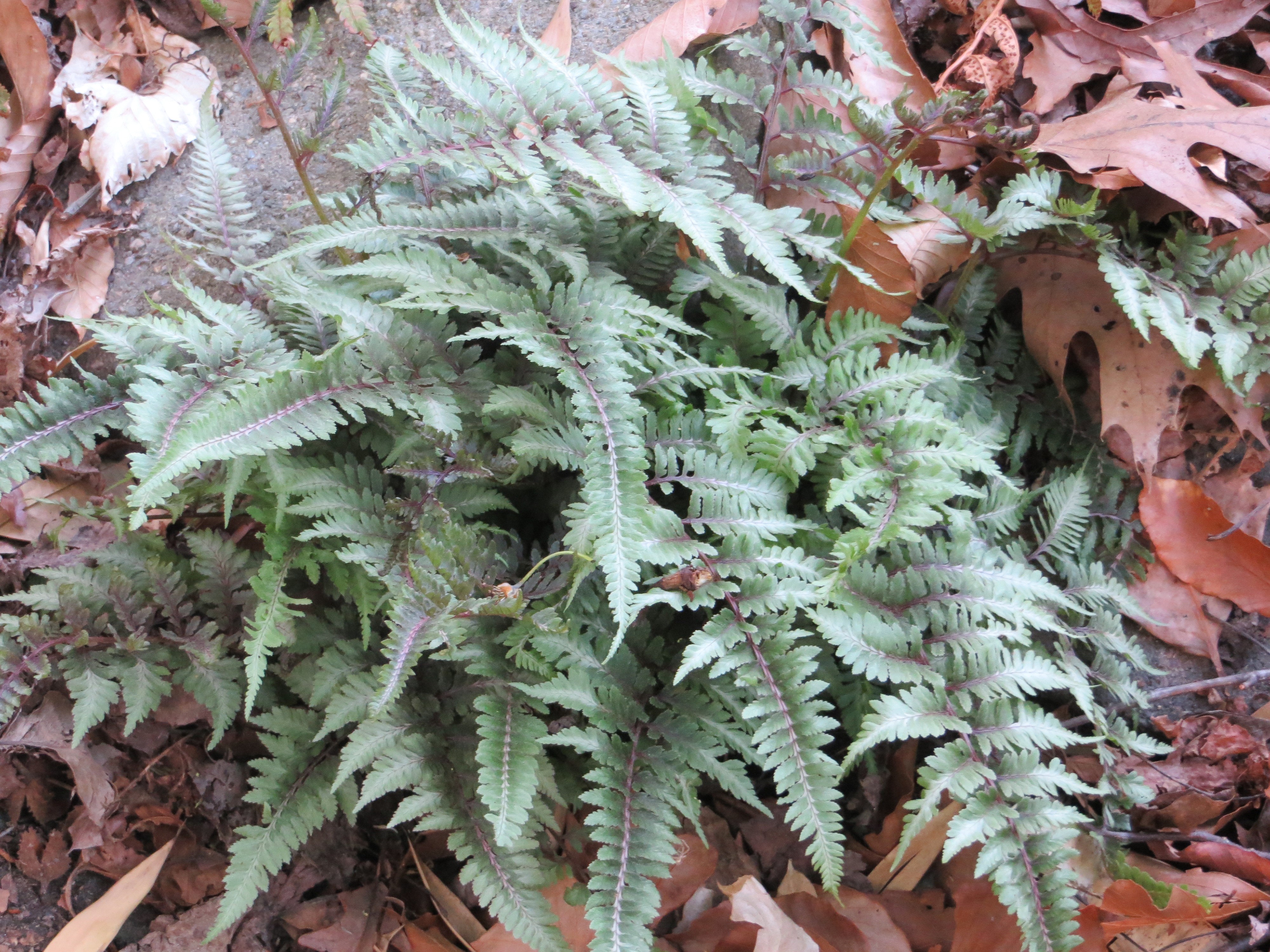
The Japanese painted fern cultivars are all showing good growth now, too. Ferns really benefit from moist soil as they are starting new growth each spring. The lack of rain leaves animals thirsty, too. I have been both watering the ferns and spraying and spreading animal repellents around them since the first few Christmas fern fiddleheads became lunch for a deer late last week.
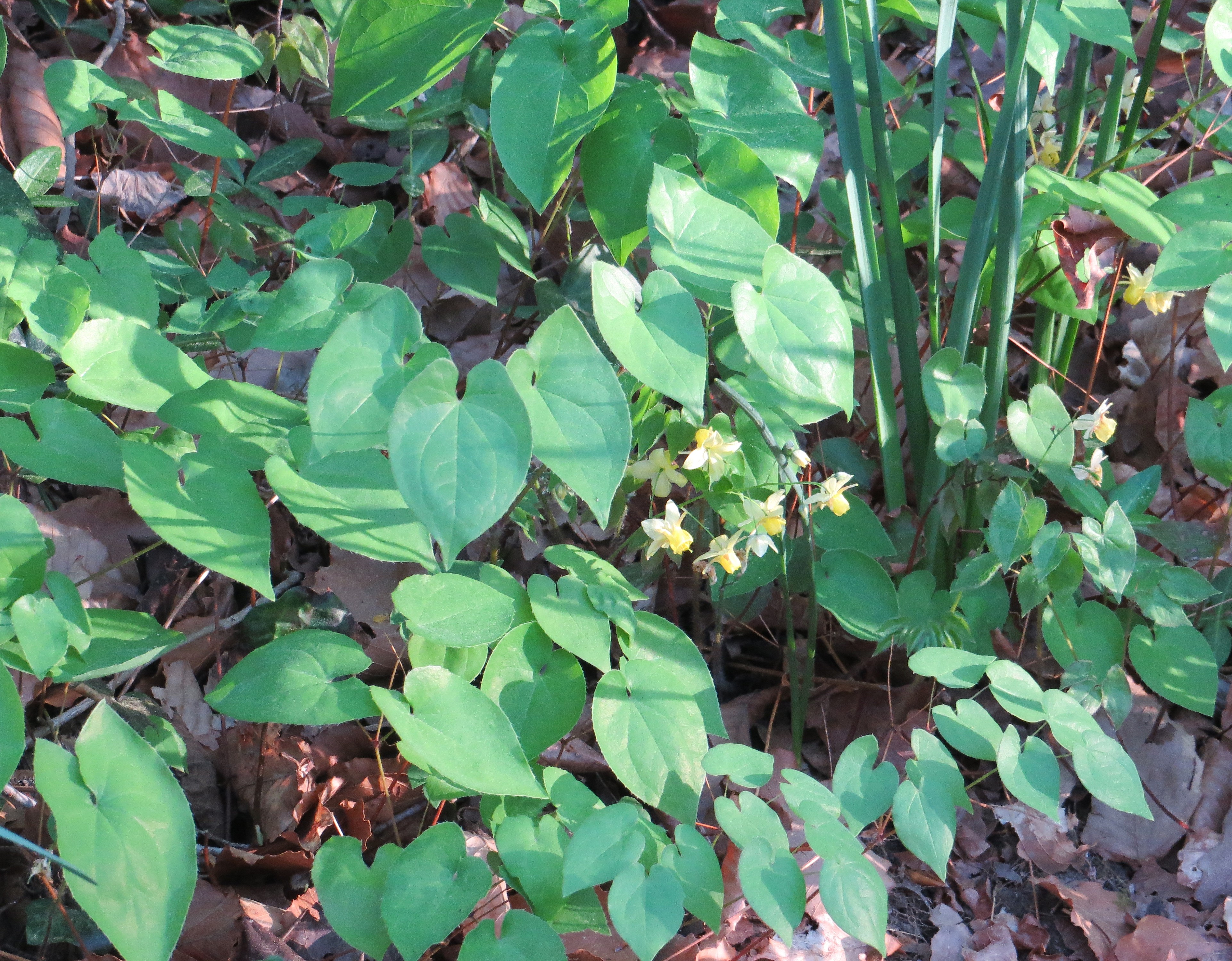
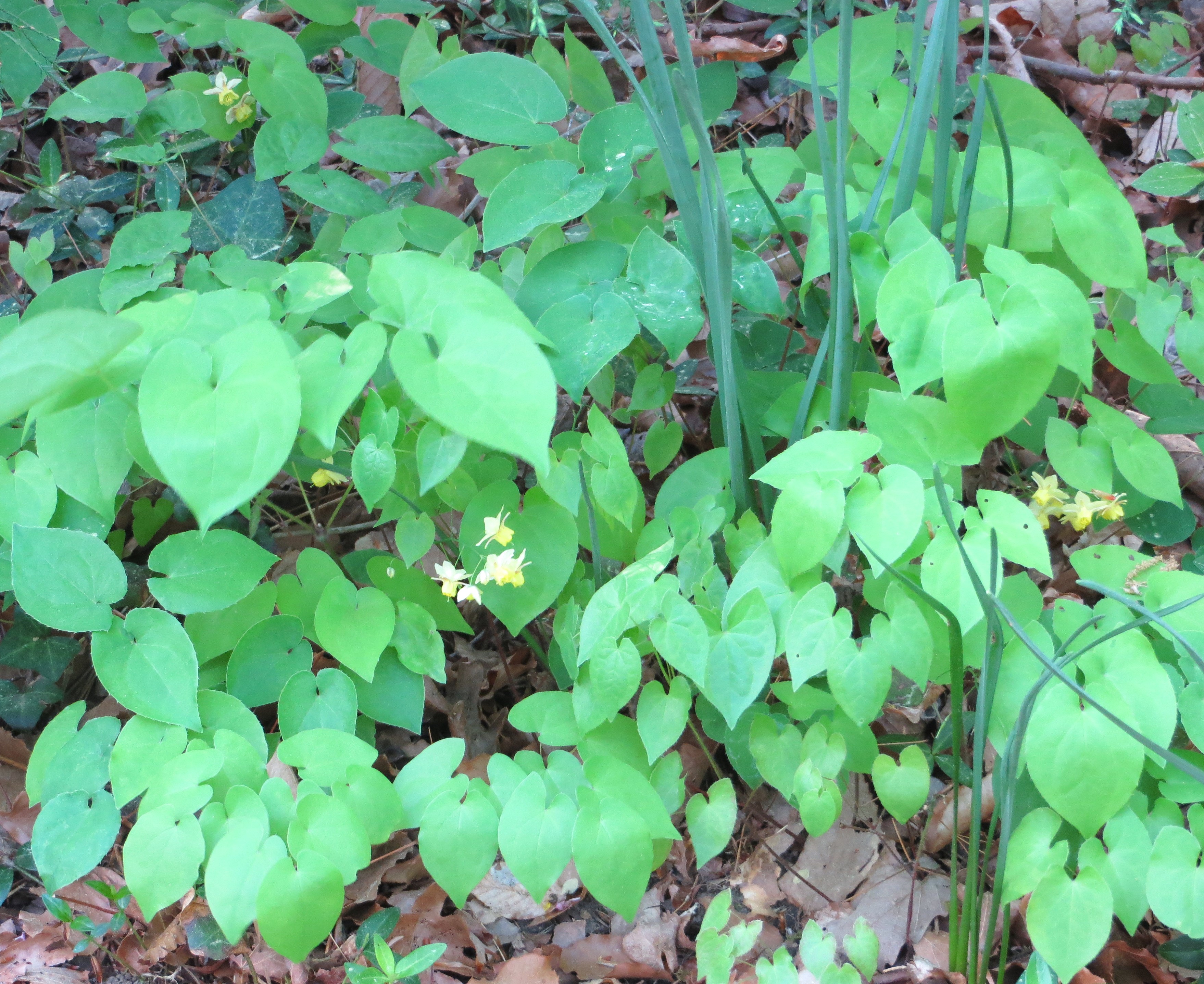
Epimedium, which thrives in dry shade, is one of our most reliable springtime ephemerals. While its foliage lasts all through the season, turning a beautiful burgundy in the fall, its flowers appear briefly in mid-spring and then are gone. We have several clumps of Epimedium that bloom at slightly different times, and I have planted a few new ones in recent years. This is a beautiful ground cover plant that plays nicely with its neighbors and requires little care. I leave the foliage until new growth appears in spring, then snip away the old to make way for new growth.
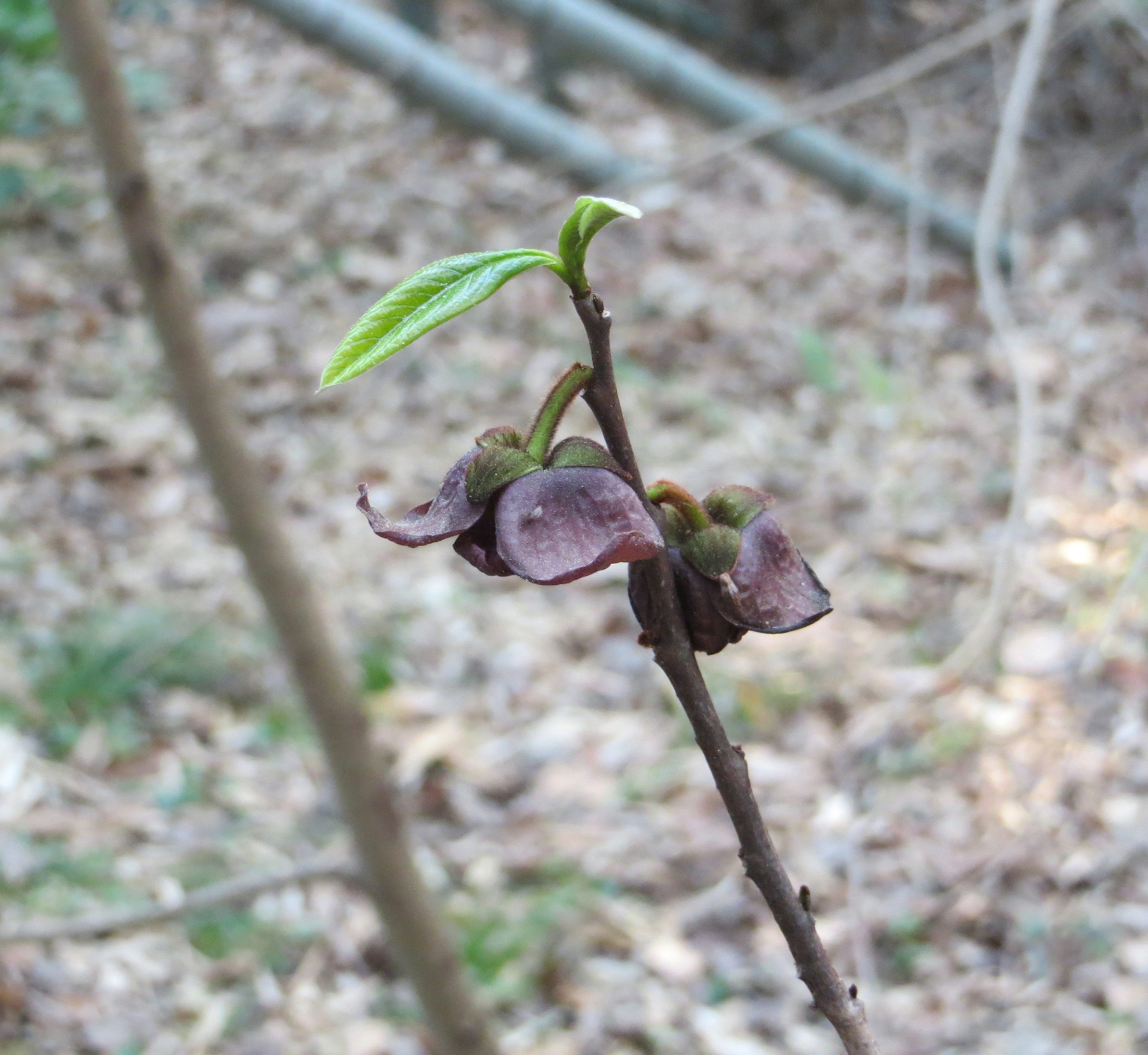
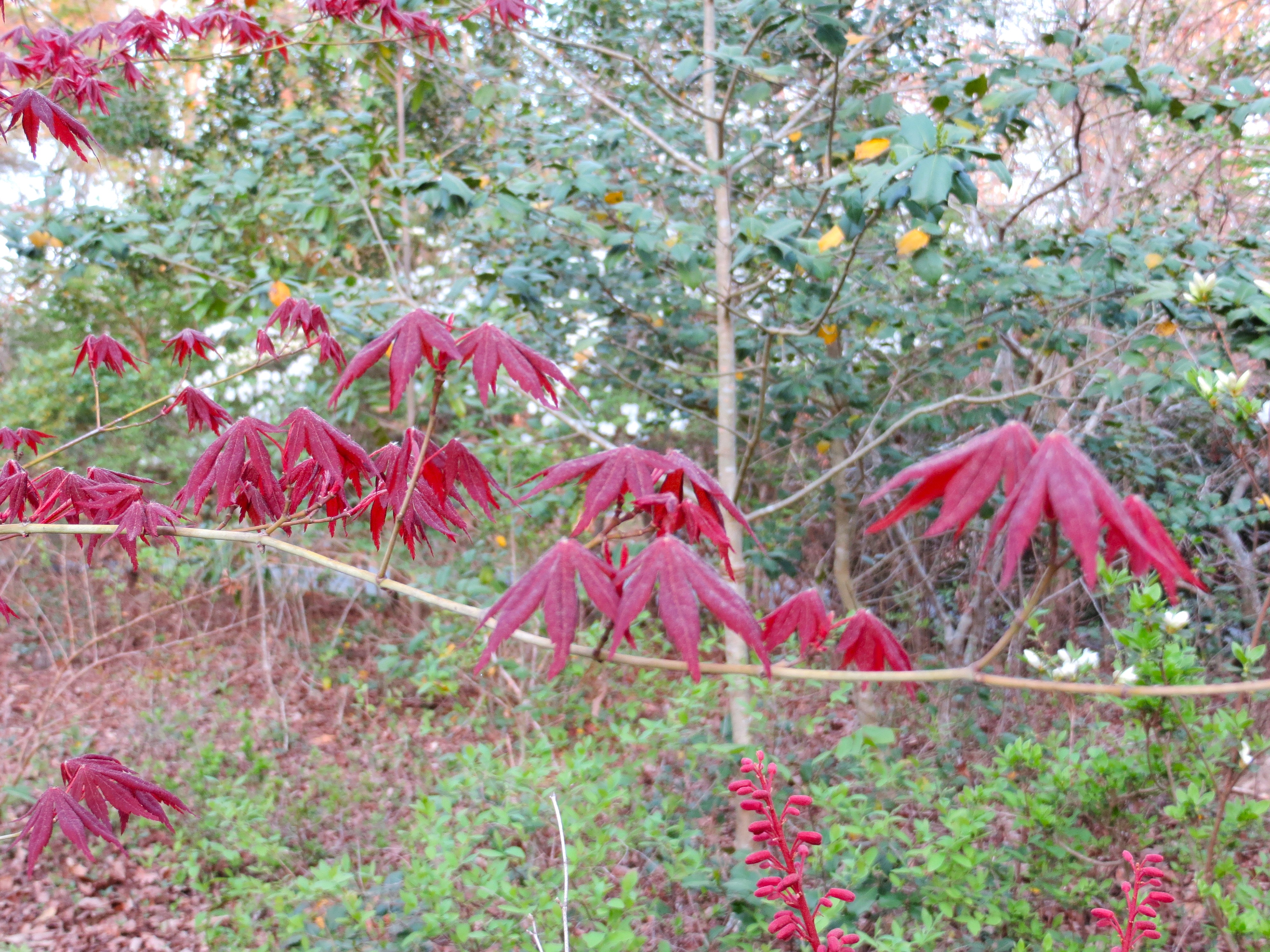
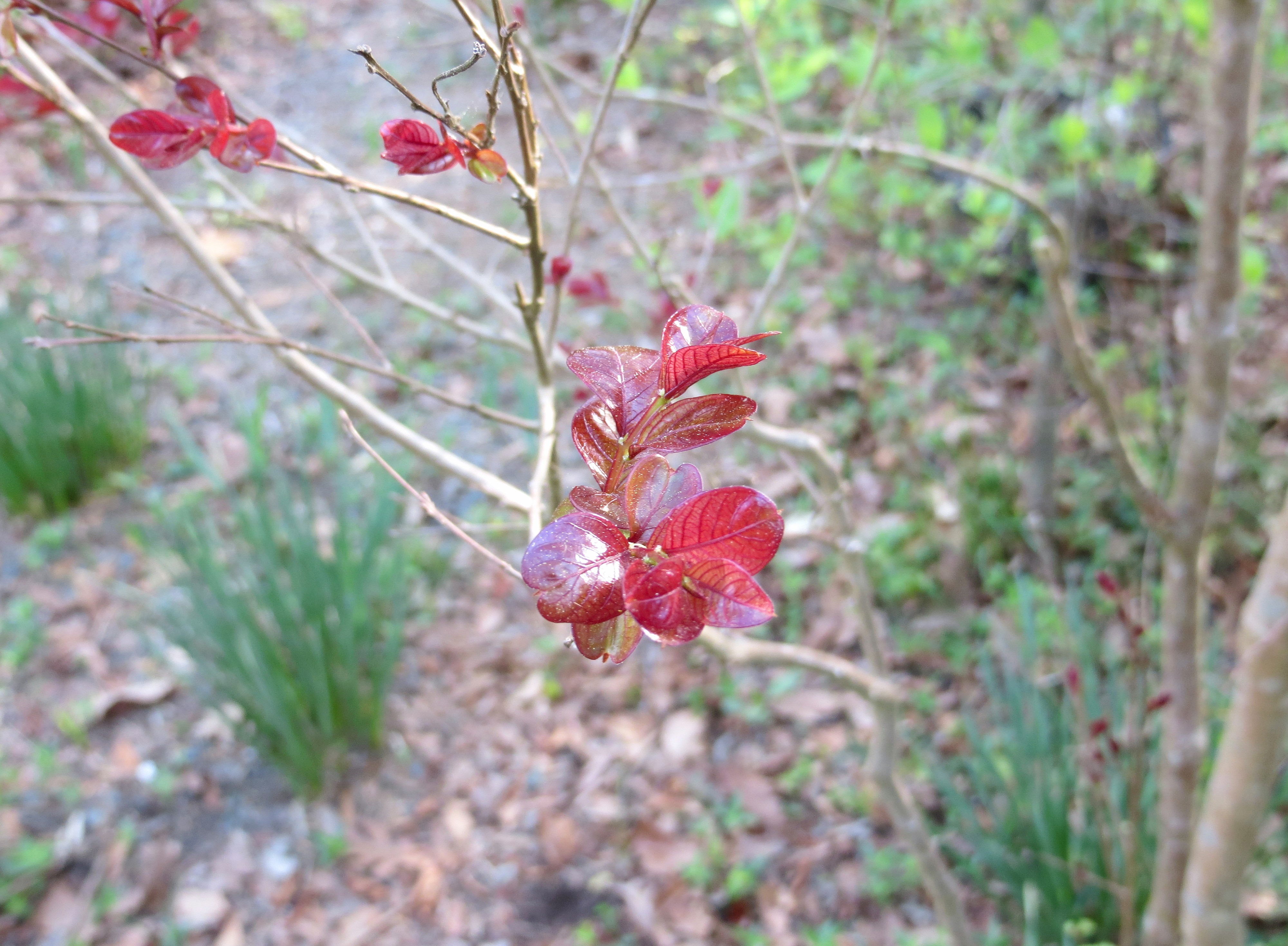
Leaves are emerging, the pawpaws are blooming, and the season is progressing towards summer. With hot weather returning next week, there will be more to do outside as I return to planting, moving plants outside, and keeping everything watered.
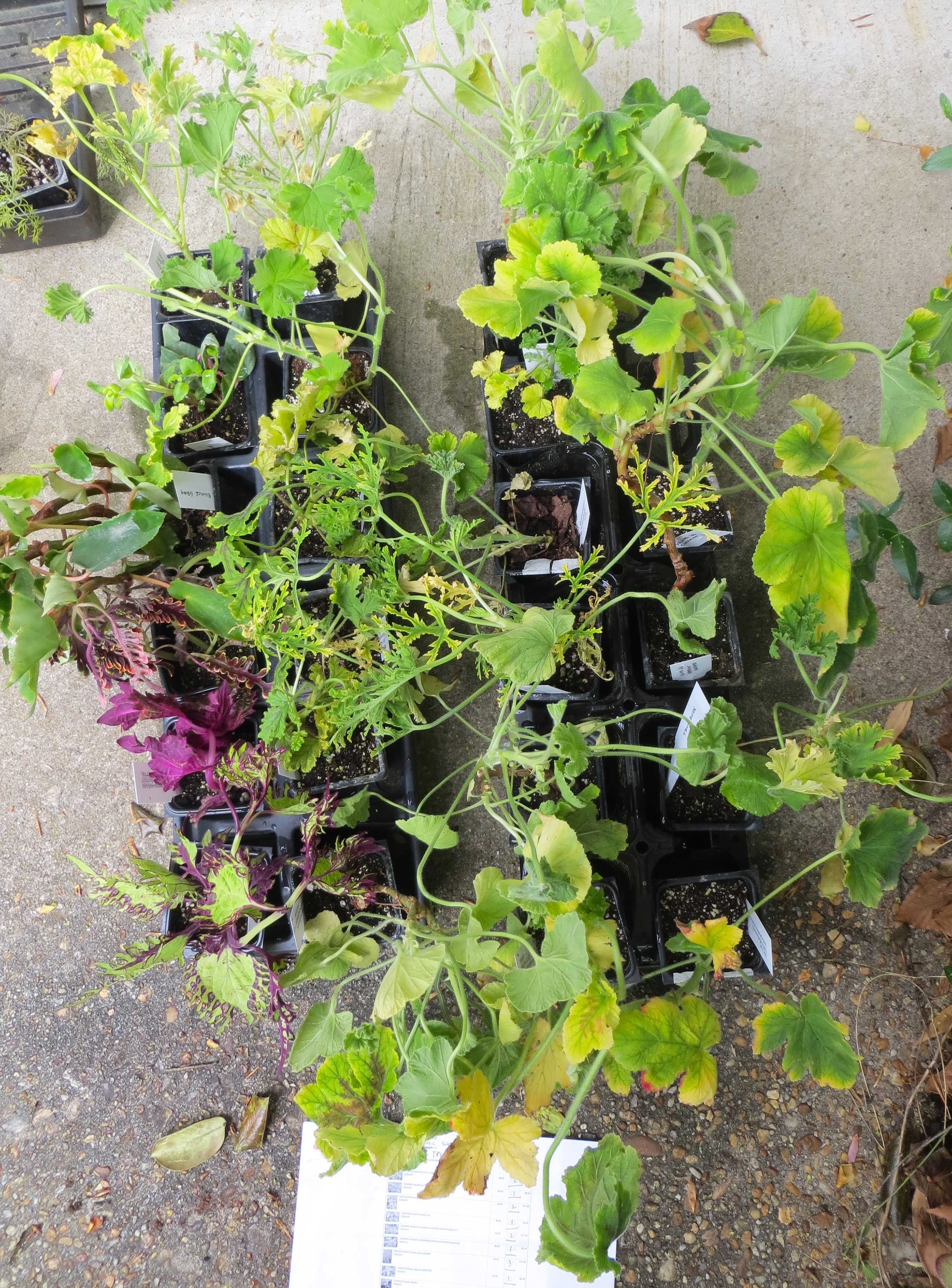
My order of scented geraniums and other plants from Taylor’s Greenhouses arrived this week, but it was delayed somewhere by USPS. This is the second plant order in the last five months that USPS let sit somewhere for days, harming the plants along the way. It finally arrived on Monday and I have been letting the plants recover, and our weather settle this week. But now they will find permanent summer homes in pots and baskets as I continue planting these next few days.
Spring is a happy time for gardeners. We purchase our new plants for the season and celebrate what has survived and is thriving in the new season. We enjoy watching growth and change, and making our spot in the world a bit more beautiful and productive with each passing season.
With appreciation to Jim Stephens of Garden Ruminations,
who hosts Six on Saturday each week.
 Our Forest Garden