The annual plant sale began this morning at 7:00 AM at the local botanical garden where I formerly volunteered. In recent years, the sale ran for about a month as new plants left over from other area non-profit plant sales were added every week or so, and we also added plants that we had dug and divided within the garden. We ‘stakeholder’ gardeners shopped the sales, too, choosing plants that we could add to the various areas we tended.
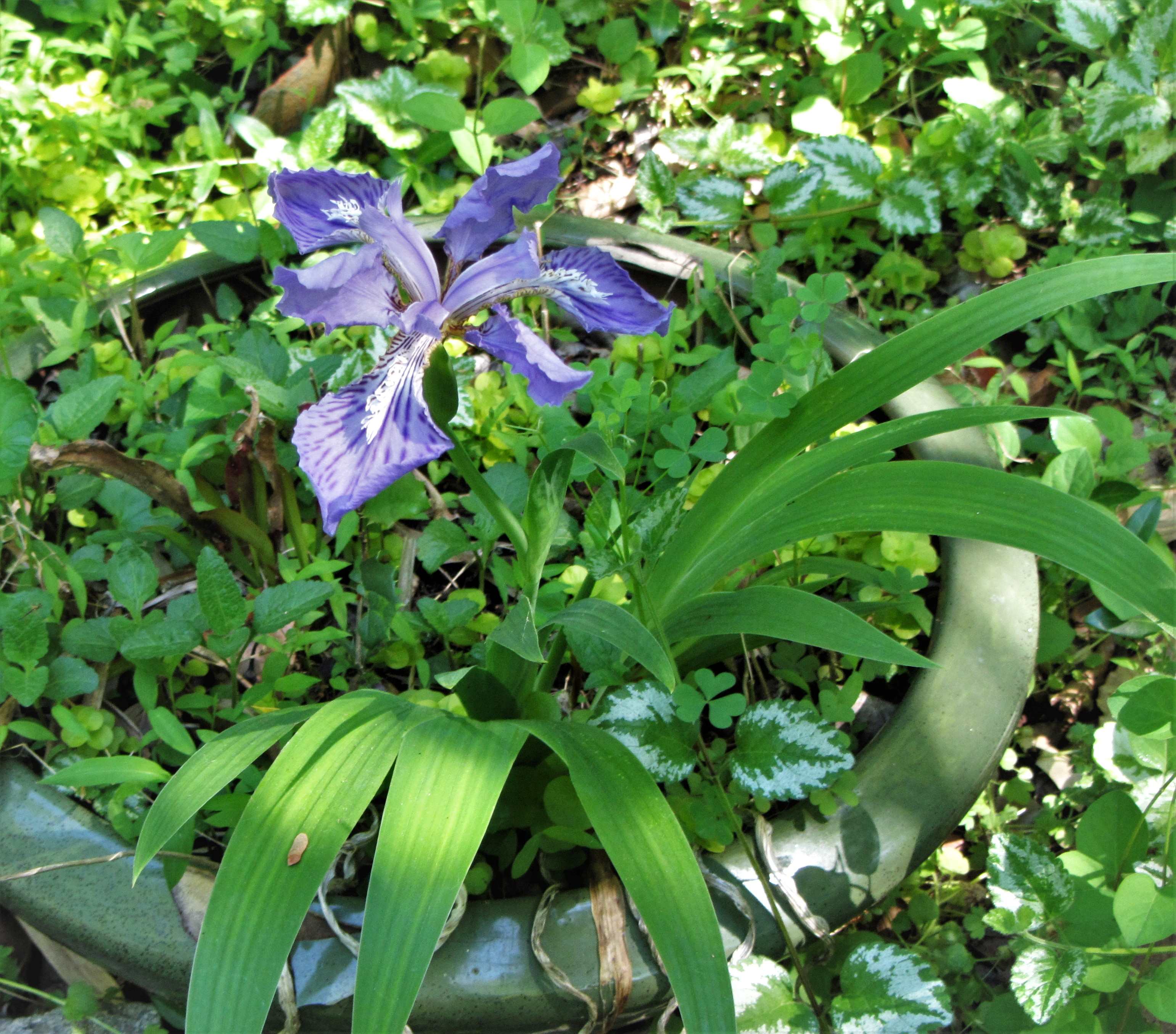
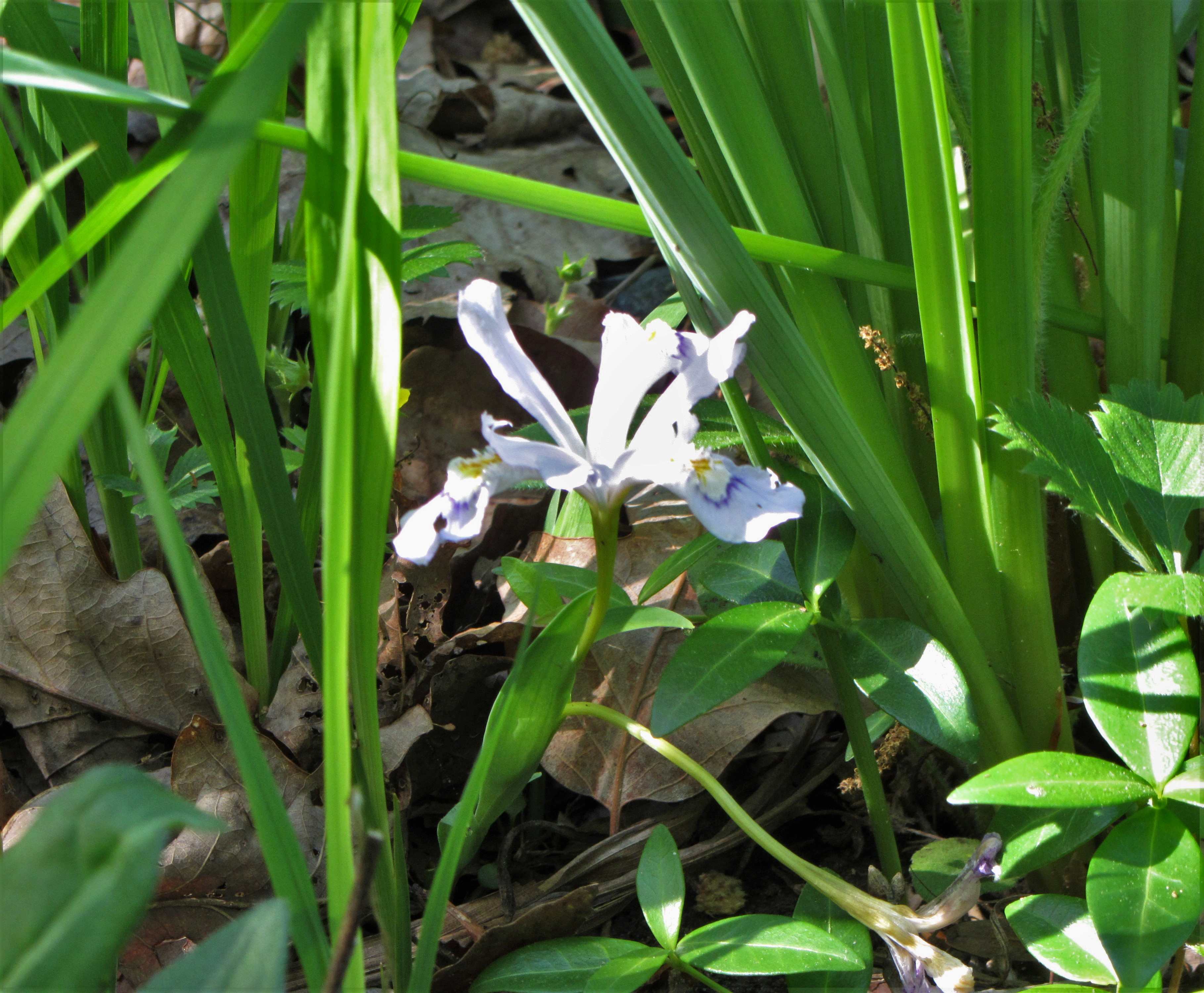
Local plant sales always hold the promise of some wonderful and unusual finds, generally at bargain prices. I remember buying a 5′ tall Japanese maple several years ago for only $5.00. The maple was freshly dug, and I got it back into the ground that afternoon. It has thrived and added such beauty to our garden. I’ve also acquired Iris cristata and a few interesting ferns at these sales.
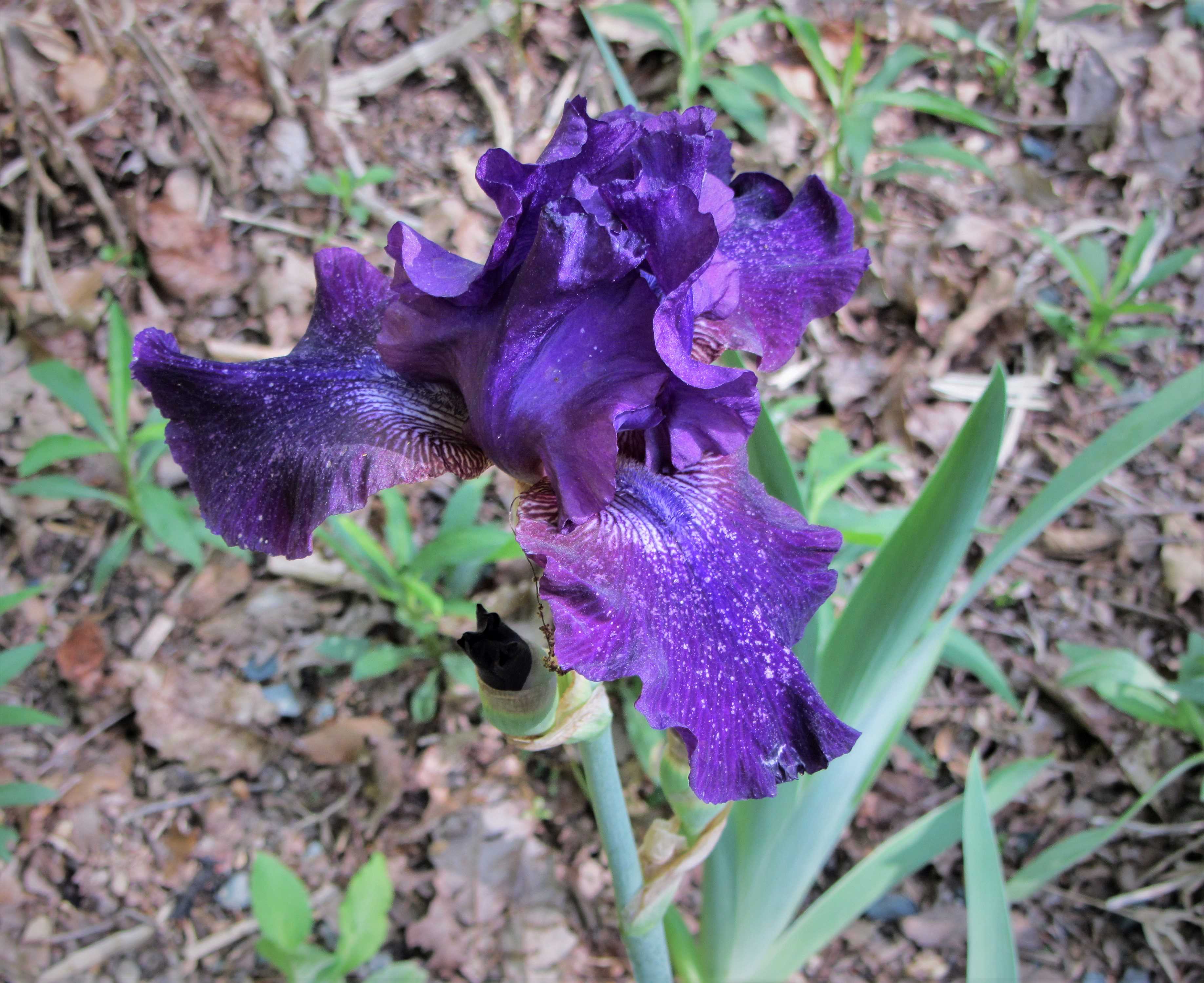
Last spring, I had the opportunity to ‘rescue’ German bearded Iris that a local landscaper had removed from a landscape, pot them all up and contribute dozens of them to the botanical garden’s sale. Sometimes I can contribute trees that I’ve propagated from seeds or cuttings.
Anyone shopping these sales needs to do so with a keen eye and with a bit of caution. Different sales have different levels of attentiveness to the plants and how they are presented. Sometimes the plants have been purchased directly from growers or donated by local businesses. They meet the high standards of commercial horticulture. Other times the plants have been dug up from someone’s yard and plopped into a recycled pot.
I was potting up some little Oregon grape holly seedlings just yesterday, with plans to give them away, and noticed a white coating on the undersides of some of the leaves. I’ll need to clean that up before sending the little shrubs out into the world. Anyone buying plants, and particularly from non-profit charity sales, needs to look at the plants closely for signs of disease or insect infestations before bringing those new plants home.
We were selling milkweed plants at the garden several years ago during an annual butterfly festival. A customer was looking at the plants warily, noticing the baby cats crawling on them and the already chewed up leaves. We had to explain that milkweed is the only host plant for Monarch butterflies and that the plants came with butterfly larvae already included!

Mainly, a charity sale shopper needs to look closely at what is growing in the pot. You may get the plant you want plus others growing alongside. The plant may or may not be labeled correctly. More times than I care to remember, I’ve been given one plant, but another was also in the soil as a root, rhizome, or seedling. Plant one and get all. The hitchhiking plant may not be something that you want to introduce to your garden at all.
If the beautiful native tree you want to purchase has lots of other little things growing at its base, discard whatever you don’t recognize. It may be a good idea to discard most of the soil in the pot if you can do so without disturbing the roots too much. Who knows what insects, seeds, bacteria, or fungi may be transplanted from someone else’s garden to yours along with that soil?
Ideally, plants from plant sales should be potted in new, sterilized commercial potting mix. That won’t often be the case because most of the plants are dug and donated by volunteers. You may look closely at the pot and see a lump of clay or heavy silt. While potting mix is great for containers, plants going into garden soil need a different medium. I pot trees in a mix of commercial grade compost made from municipal leaf collection and a very fine commercial bark mulch.
Some gardeners add sand to that mix or use commercial topsoil instead of the compost. The mix needs to have good drainage, adequate nutrition, and should be porous enough to allow for rapid root growth. Bio-tone Starter, by Espoma, is a good organic fertilizer to add to any mix because it helps populate the soil with mycorrhizal fungi and other beneficial microbes. I generally add this fertilizer to my custom potting mixes, and also sprinkle it into newly dug holes when planting.
In some cases, it is good to have some of the native, original soil clinging to the roots of a transplant. Some trees form symbiotic relationships with fungi in the soil. They need those fungi. Some native orchids likewise need certain fungi in their soil to thrive. Transplanting some soil with the plant is helpful.
Sharing plants is a wonderful thing, and using extra divisions of plants to support worthy groups in the community is even better. Please just remember that in many cases, the plants a volunteer chooses to share are ones they *want* to get rid of for some good reason. Usually, they have them in too much abundance. Think a year or two ahead and consider what that means if you adopt those plants.
I love to give away cutleaf coneflower, Rudbeckia laciniata, which came to me as a hitchhiker on a little clump of Monarda gifted to me by a gardening friend. Well, cutleaf coneflower grows to 7’ or more tall and wide and seeds itself around prolifically. It is pretty, feeds pollinators, and absolutely colonizes any spare inch of soil where it can sink a root or spread its rhizomes. I also give away Black-eyed Susan, R. hirta, which is a lovely plant but also reseeds prolifically, along with Canna lily and Colocasia rhizomes that grow beyond the borders of their beds. And yes, I always warn other gardeners about how they grow before I give them away. Each plant has its uses and advantages.
Plants that I give away usually have some native soil on their roots, usually with some commercial potting mix over them to keep them hydrated. When I’m potting for a sale, plants always go in fresh potting mix. Who knows how long the plant will live in its pot before it goes into someone’s garden? It is important to use a mix that can be kept moist with occasional watering.
It is Earth Day today, and prime time for all of us who love gardening. As the weather shifts and warms, we fall back into the familiar rhythms of tending our gardens. “Something old, something new, something borrowed and something blue….” It works like a charm in the garden, too!
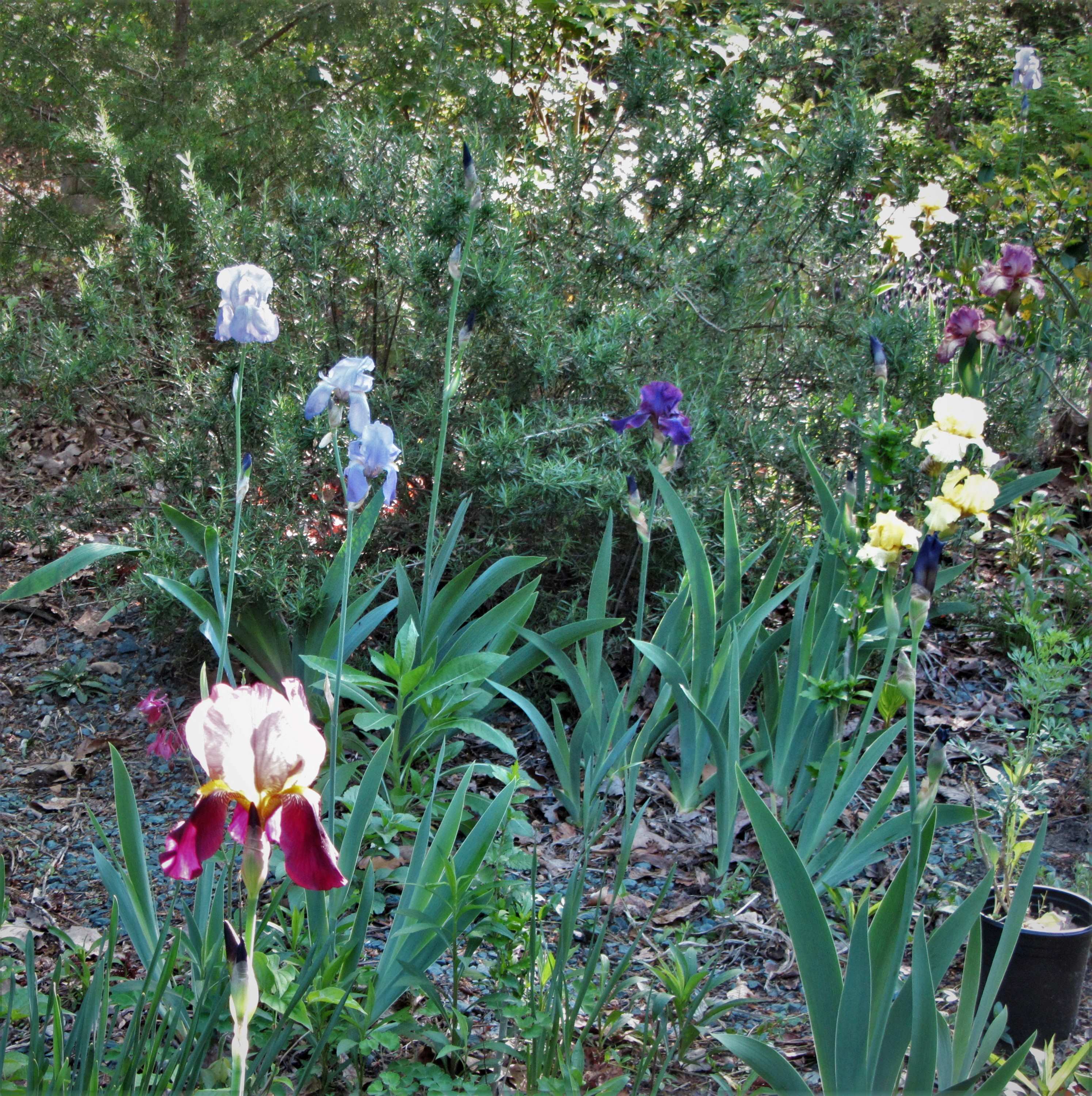
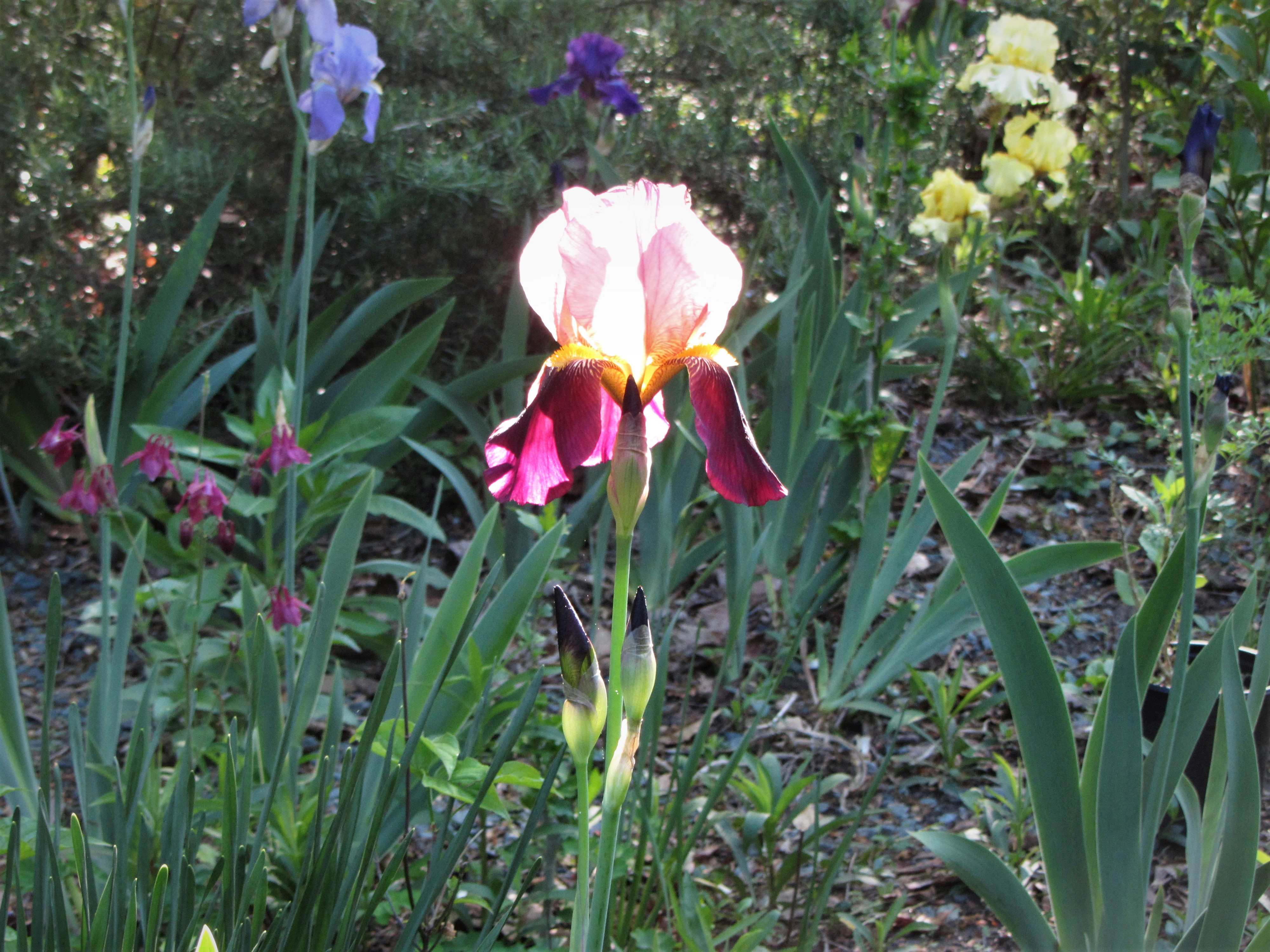
With appreciation to Jim Stephens of Garden Ruminations, who hosts Six on Saturday each week.

You might enjoy my new series of posts, Plants I Love That Deer Ignore.
Visit Illuminations Each Day for a daily garden photo and a quotation


When I recently brought a few plants to Ilwaco, I needed to be attentive to weeds that could have gone with them. I am not concerned about weeds in plants that we use here, but can not send them elsewhere, especially where such weeds are not yet weeds.
LikeLiked by 1 person
Exactly. No need to ‘ spread the joy’ of seeds and other unwanted plants. How do you make sure that new weeds don’t come in on plants you acquire?
LikeLiked by 1 person
The top of the soil was removed from plants that I took from here to there. Except for the Canna ‘Stuttgart’, the plants that I returned with lacked the soil that they grew in. I removed the top of the soil from the Canna ‘Stuttgart’ and disposed of it. Both sets of Iris were divided into individual rhizomes and rinsed. The mud and rinse water were discarded. The red elderberry roots were also rinsed. With few exceptions, I doubt that there is anything where they came from that would be a problem here. I am more concerned with what could go from here to there.
LikeLiked by 1 person
Good plant buying lessons. Thanks.
LikeLiked by 1 person
❤ ❤ ❤
LikeLike
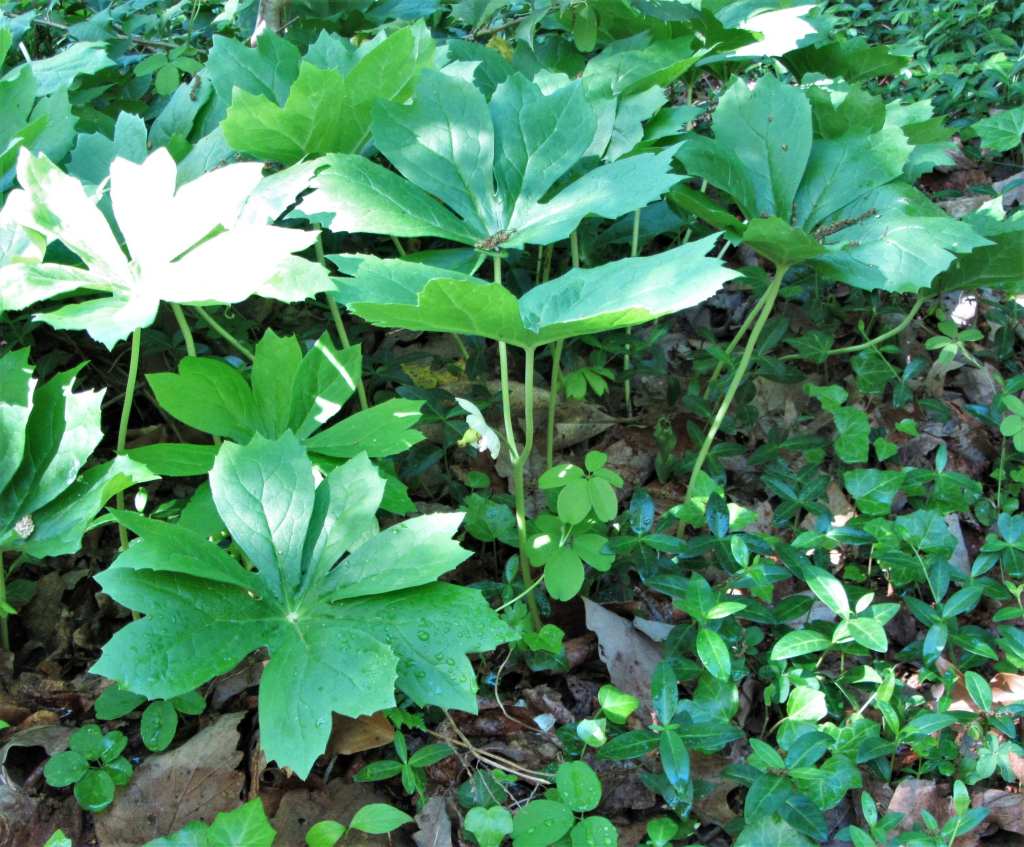
Wow, that was a great price on the Japanese Maple! Beautiful plants you’ve shared here. Love the Scarlet Buckeye; I tried to get some going a few years ago, but the rabbits (and deer?) ate them. The Mayapples are a favorite here because they grow wild in the wooded part of the property.
LikeLiked by 1 person
That was a great price. I offered to pay more, actually, and was told to ‘take it.’ I was a newbie in the group at the time. It was a huge blessing. Scarlet Buckeye is very poisonous but squirrels can eat its nuts. It is always surprising what the critters will eat and what they leave alone. I hope you have the opportunity to start some seeds again sometime soon. I’ve seen named cultivars of mayapples on some specialist plant websites, but honestly, the wild ones are beautiful just as they are! I hope you have a terrific day!
LikeLike