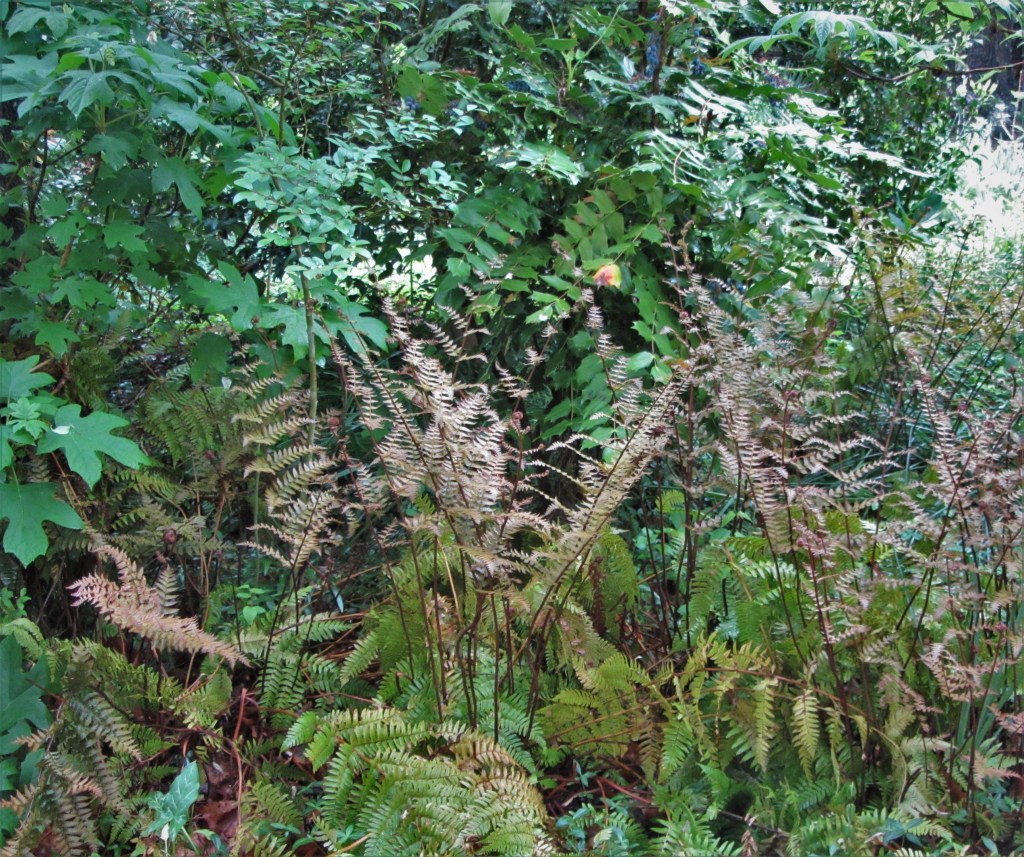
“We treat plants like pieces of jewelry, fine dresses, and designer shoes…Instead of celebrating plants as part of the global community, highlighting what each can do for life beyond our own visual pleasure, we focus exclusively on a new leaf color or a new bloom….plants are far more than a visual commodity. Simply put plants are not art. What we do with them, how we honor their life processes as part of creating ecological function—that is art.”
Benjamin Vogt, author of A New Garden Ethic: Cultivating Defiant Compassion for an Uncertain Future
On Thursday morning, an opportunity to visit one of my all-time favorite garden centers opened up when the folks I was planning to meet were delayed. I had a free hour and was already close by. What a treat to wander through the Great Big Greenhouse in the spring, when every shelf and aisle is filled with beautiful plants. Even better, I had a gift card in my pocket.
I’ve been shopping here off and on since the 1980s and depend on their tremendous variety and wide selection of choices within most genera. Where to begin?
Hundreds of bright baskets filled with geraniums, Begonias, and flowering plants were clustered around the entrance. There were tables and tables of Philodendrons, ferns, Anthuriums, orchids and succulents. And that was just indoors! Outside there were tables, carts and displays of everything from Verbenas to Azaleas and basil. Everything looked interesting, healthy and beautiful.
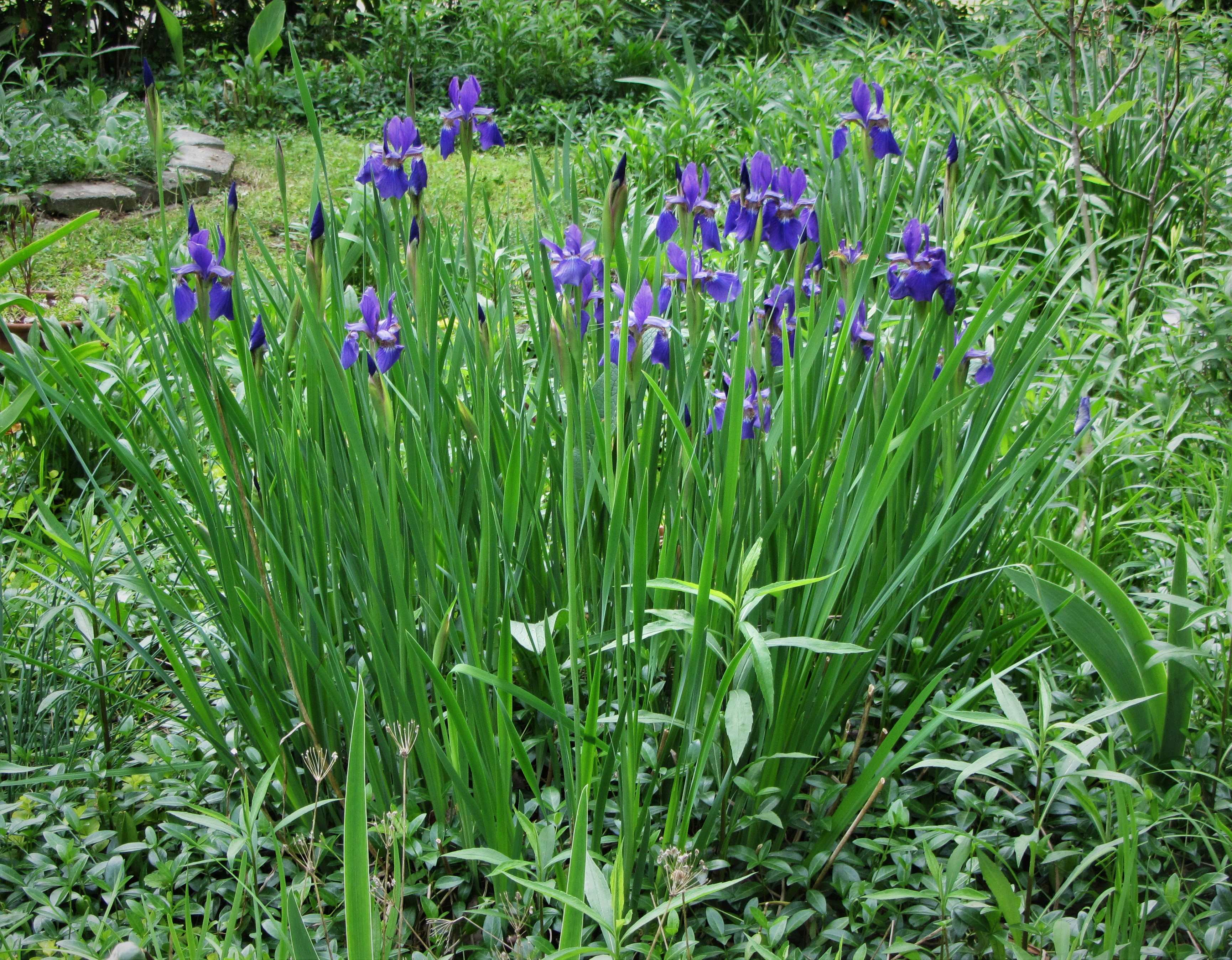
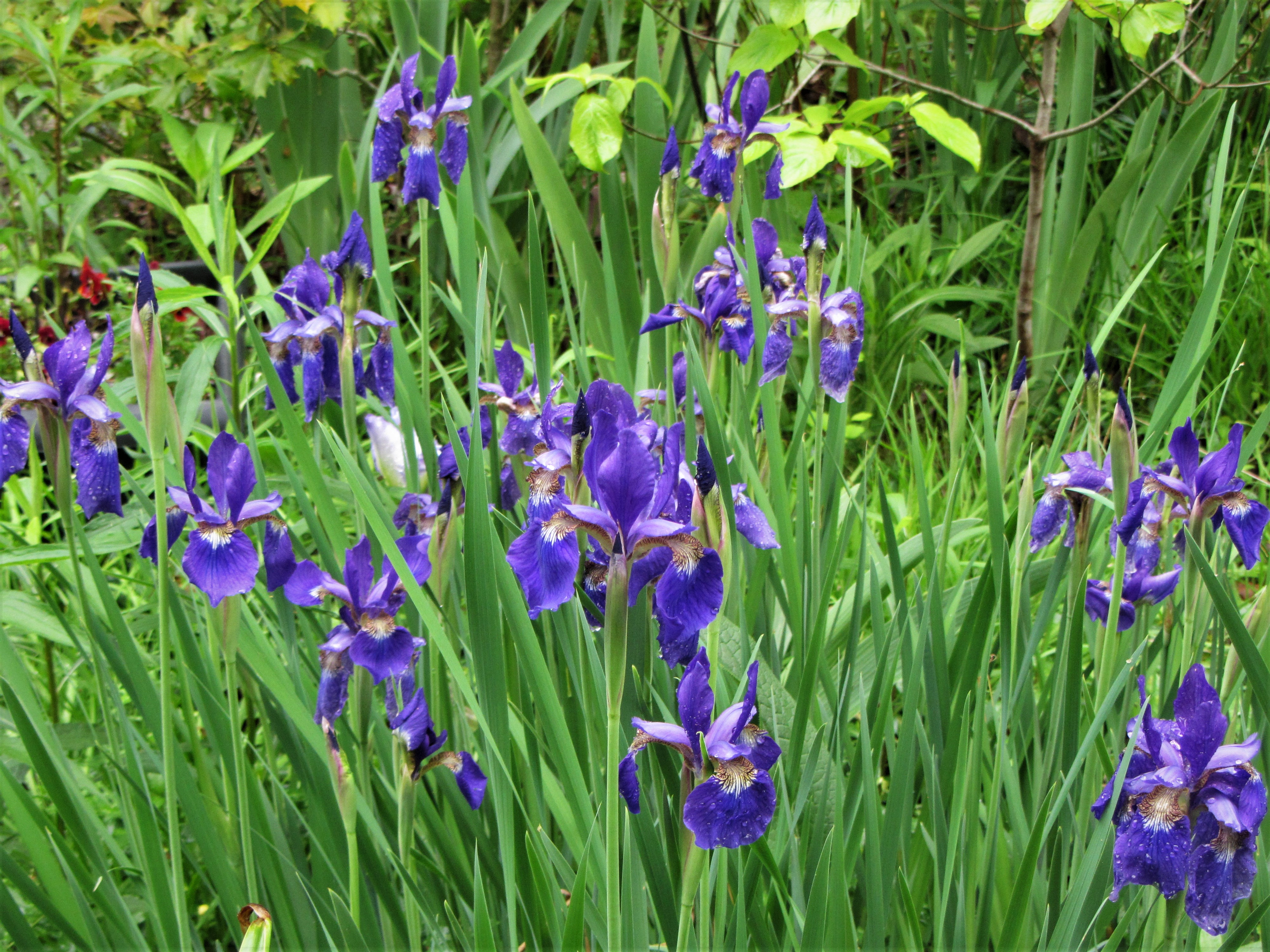
How do we decide what to grow? Each of us has limited space to plant. And we each have peculiarities of climate and light, soil and perhaps neighborhood rules to limit our choices.
What does a plant mean to us? Why do we grow one thing and not another? I’ve been turning these questions over in my thinking again and again in recent years. While some want to sort plants into categories like ‘indigenous’ or ‘imported;’ ‘ornamental,’ ‘crop,’ or ‘host plant;’ ‘invasive’ or ‘tricky;’ I try to consider plants in terms of their functions. What will this plant do for me and for my environment?
As much as I respect Benjamin Vogt’s point of view, I fundamentally disagree with his statement that plants are not art. Plants and gardens can be one of the highest art forms, which is why artists have been copying the details of plants in their art since humans began making art. Think of the leaves on Corinthian columns, the lotus flowers in Egyptian temple paintings, the Chrysanthemums in Japanese textiles, and the trees depicted on Sumerian tablets. Each of these cultures is also remembered for their exquisite gardens.
Plants appeal to us first in their beauty, their delicacy, and their geometry of form. One function of any plant is to bring beauty into our awareness. But beauty is only one of many functions any plant performs. Others are to produce oxygen, transform the sun’s energy into food, to scrub certain gasses from the air, and to stop erosion. Plants have many functions within an ecosystem that have nothing to do at all with us personally, or with people in general.
Plants also attract, shelter and feed various insects and animals. They shade our living spaces, provide privacy, produce food, fertilize and condition the soil, recycle storm water, break the wind, and cover the ground with vegetation. Plants provide us with medications; entertain, nourish and inspire us; heal us and improve our mood. With so many potential functions, we may end up just as confused about which plants to grow.
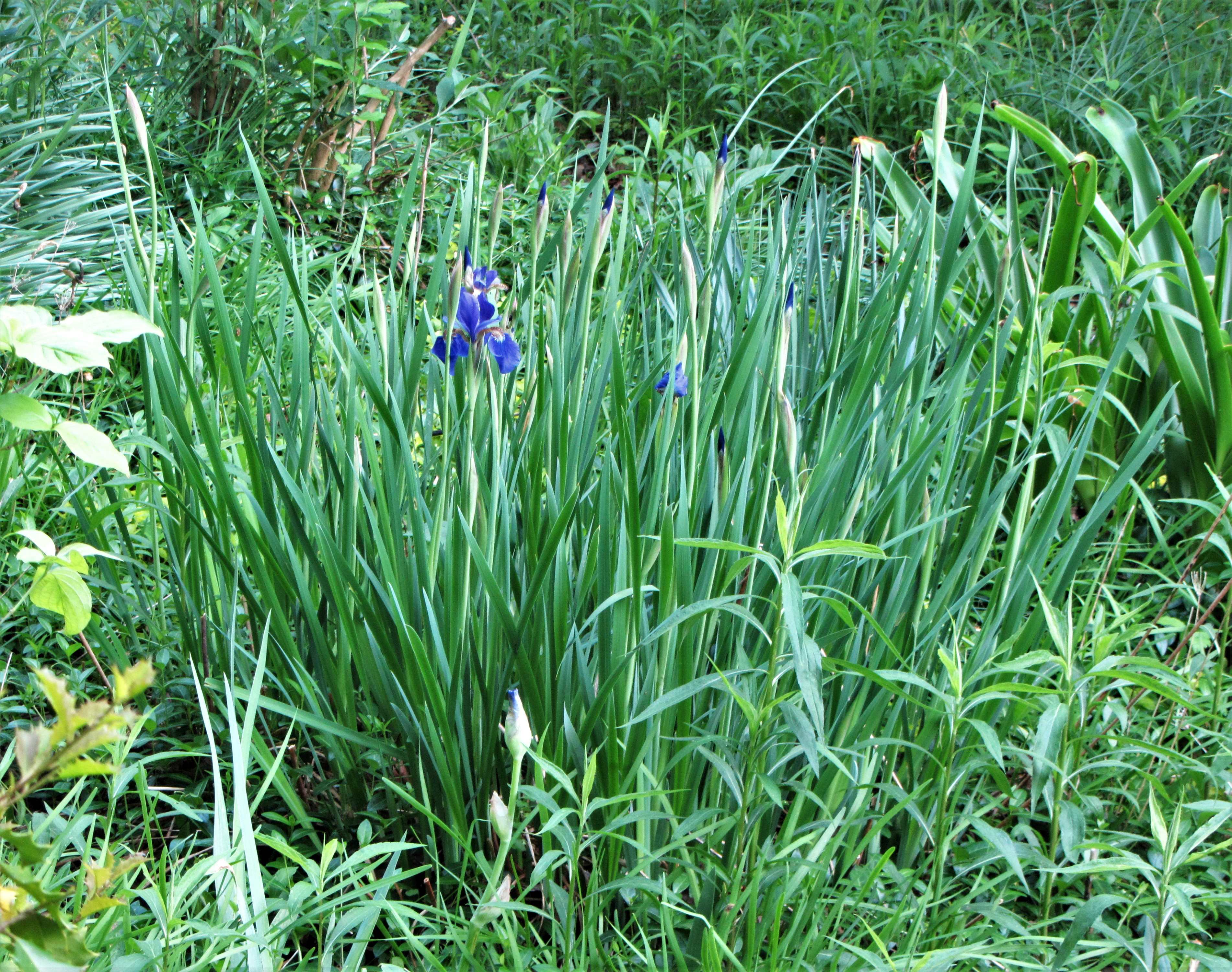
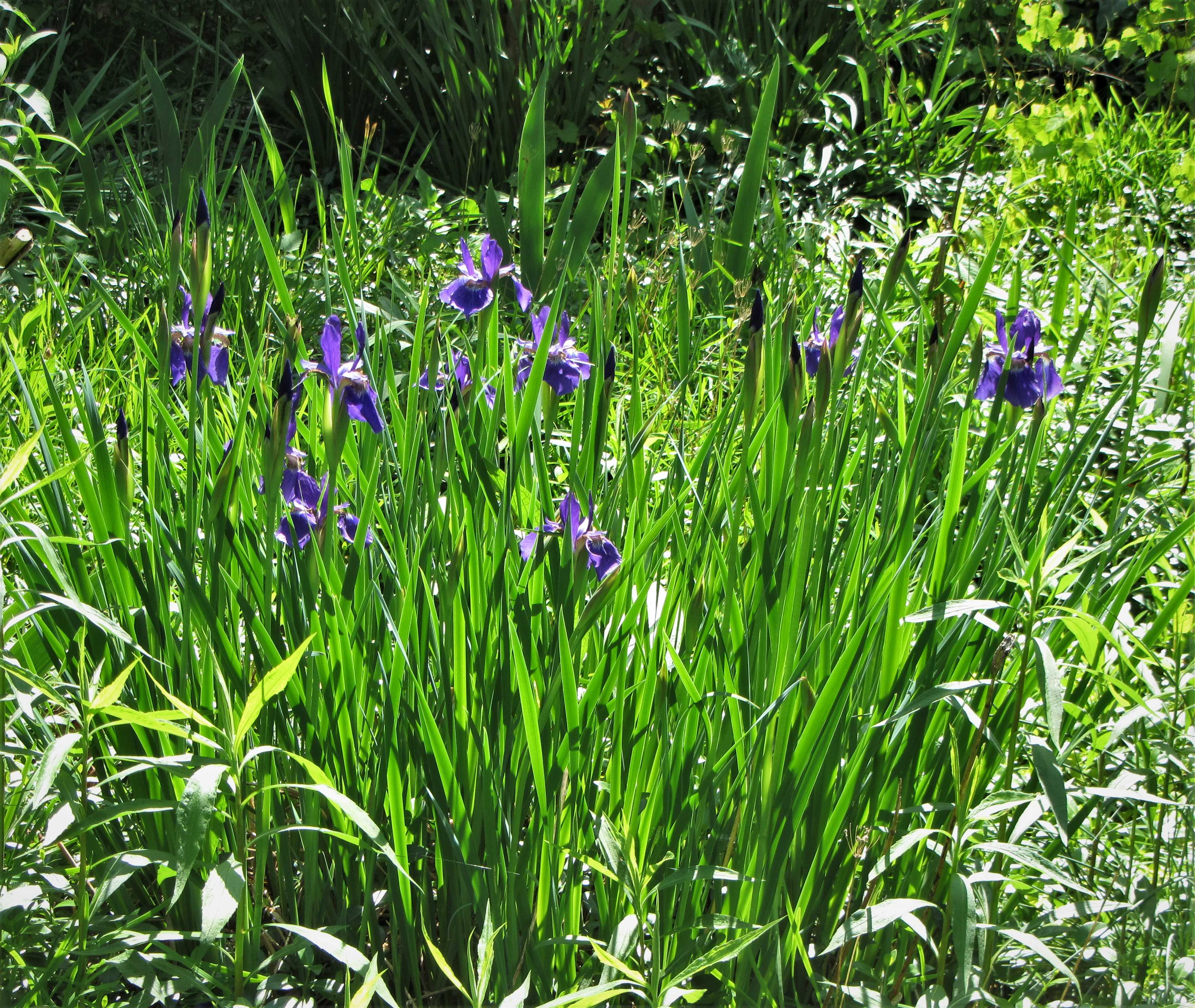
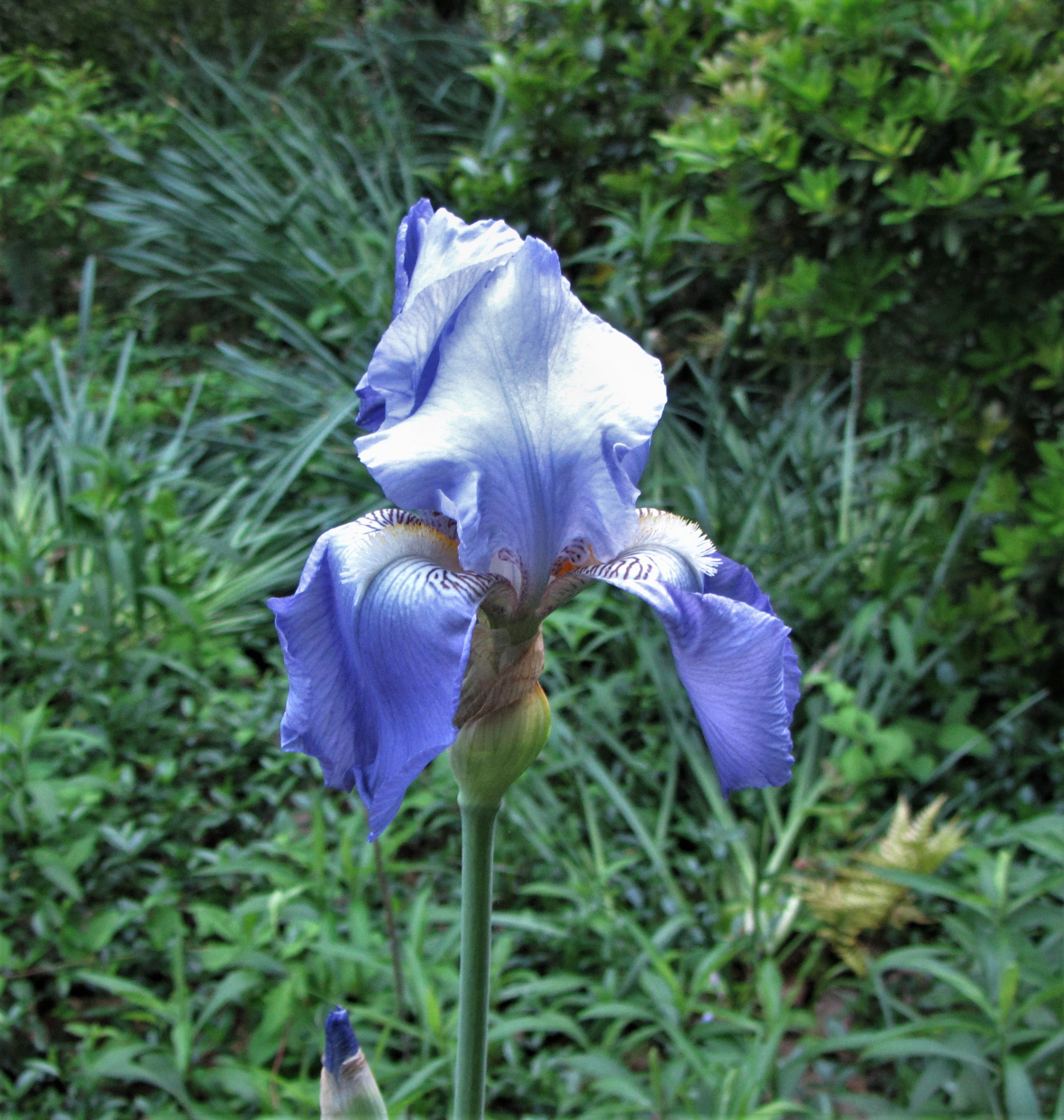
Some gardeners may plant to impress those passing by or visiting their yard. Others may keep memories of loved ones alive with heirloom plants passed from generation to generation. Our family has kept certain Iris plants growing from home to home since around 1972. Coleus always reminds me of my dad, who planted them each spring.
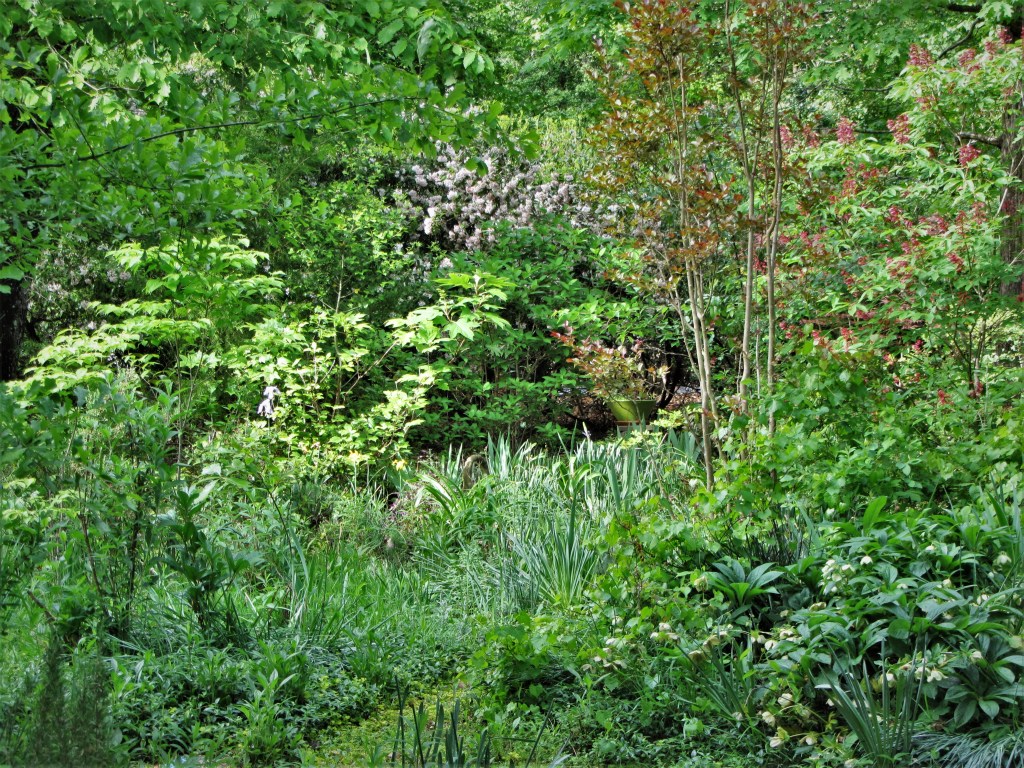
Flowers visible from the street are like a gift of beauty to the community, and the plants we grow reflect our values in so many ways. Do we want to fit in or want to stand out? Do we plant food for our families or grow shrubs to feed and shelter the birds? Do we plant trees or manicure our lawn? As we broaden the palette of plants we grow, we also increase the biodiversity of our gardens. New plant species often attract and support new animal species as well.
Thankfully, a single plant can serve many functions. That makes it a little easier to choose. All plants improve our environment through their basic life processes of respiration and growth. Even the most colorful geranium growing in a hanging basket still filters the air and produces nectar for that stray hummingbird or bee.
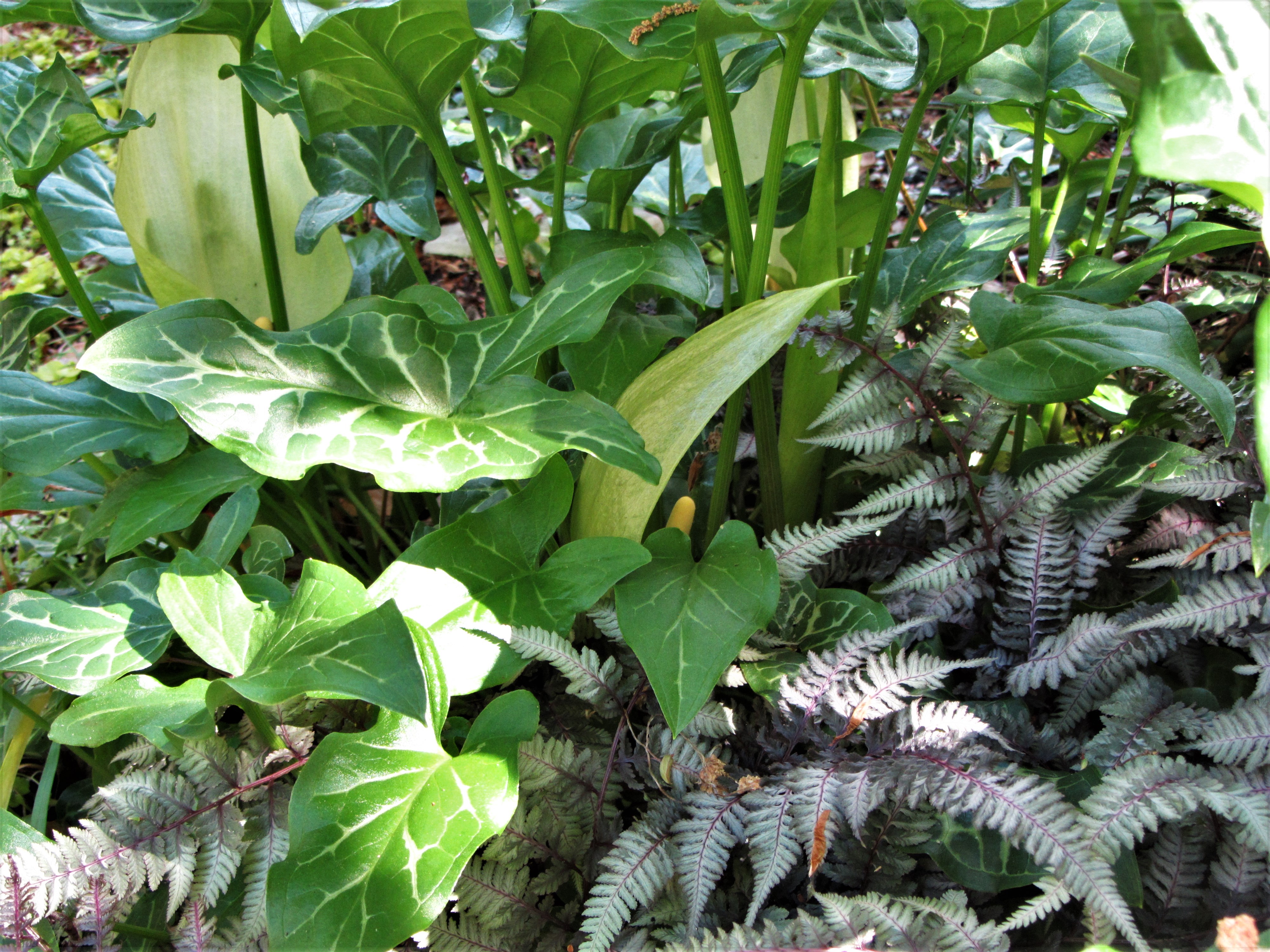
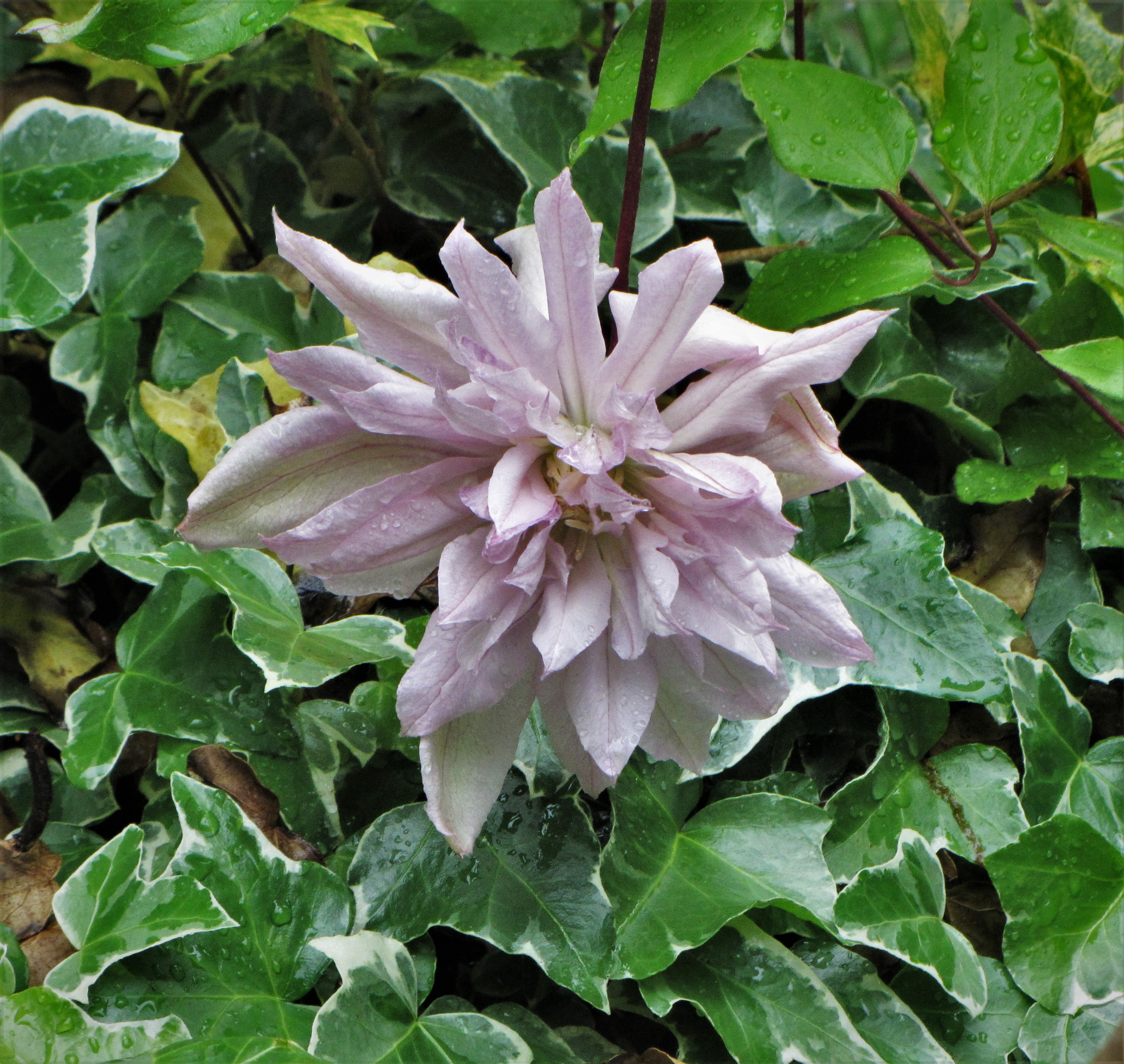
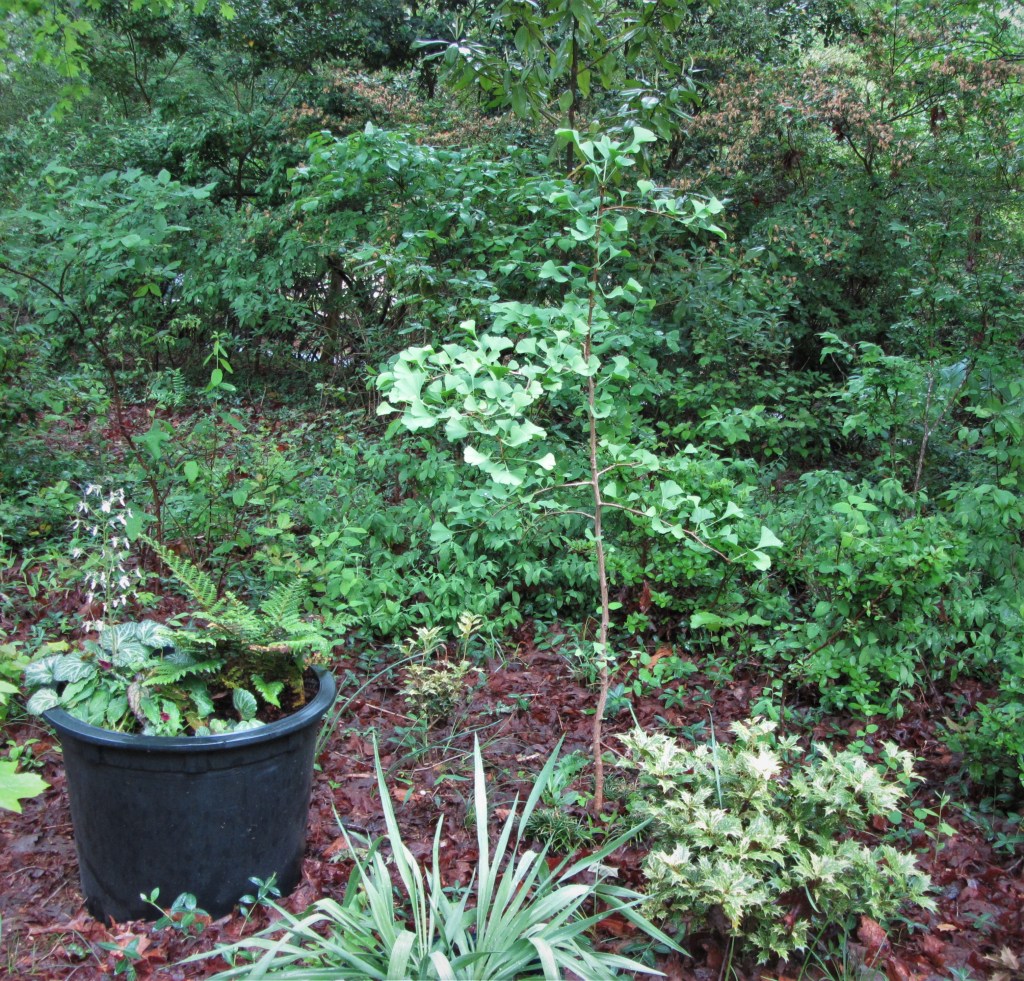
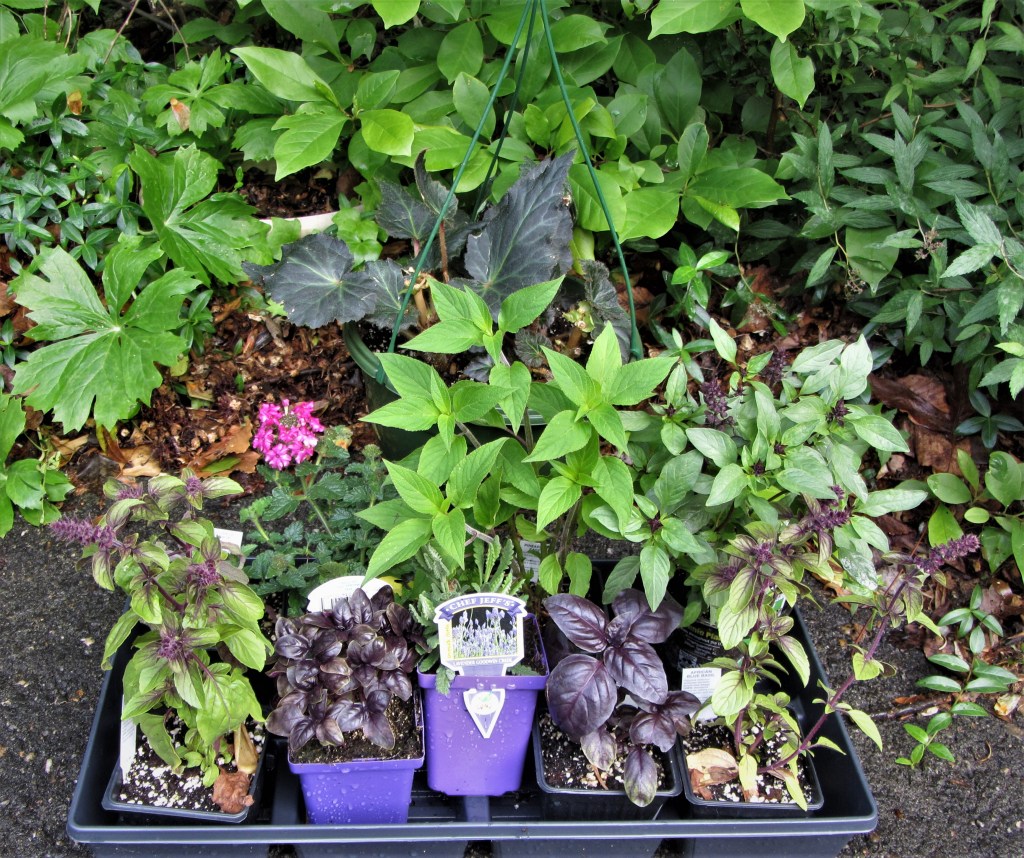
I filled my cart this week with herbs, ferns, and a few exquisite Begonias I won’t find anywhere else. Most will go in containers by my kitchen door. A few will go in hanging baskets as I refresh them this spring. I’ll expand my fern gardens a little more. Each and every one is beautiful and makes me very happy.
Trees perform many critical functions for our environment and ecosystem. A yard filled with native and nectar producing trees covers many of those ‘functional’ bases leaving us plenty of other niches to fill with plants that we enjoy for fragrance, color, flavor and overall beauty.
After all, a garden is a personal space cultivated for the pleasure and use of the gardener. Our personal piece of the puzzle fits into the overall mosaic of beauty and function in our larger community, and perhaps inspires others to experiment with planting for their own pleasure, too.
With appreciation to Jim Stephens of Garden Ruminations, who hosts Six on Saturday each week.
You might enjoy my new series of posts, Plants I Love That Deer Ignore.
Visit Illuminations Each Day for a daily garden photo and a quotation.
 Our Forest Garden
People should understand this better after seeing grand forests, such as the redwood forests here. Such natural landscapes require no improvement, and can actually be cluttered with improvement. I get compliments at work, but also remind those who compliment the work that almost all of what they see is natural. Our work is minimal within the ecosystem. I was not here to plant the redwoods centuries ago. Some believe that those of us who work within the grand forests would dislike barren deserts, but it seems to me that we are actually more appreciative of it and how it functions.
LikeLiked by 1 person
Wise and humble words, Tony. I agree that natural landscapes require no improvement and those improvements usually ‘create clutter.’ A wonderful way to think about it.
LikeLiked by 1 person
That is partly why Brent grows more species on his city lot in Los Angeles than I grow on many acres.
LikeLiked by 2 people
❤
LikeLiked by 1 person
❤
LikeLike
A garden is a very personal thing, and we each make it our own.
LikeLiked by 1 person