Nearly 10 years ago, in June 2013, an afternoon thunderstorm blew up quite suddenly and without any warnings. There was wind, heavy rain, and lightning striking close by. At one point I walked over to the front window to look at out the storm, and no longer recognized the landscape. A large double oak tree had been knocked over, the bottom of its gigantic root ball facing the house and obscuring my view of the upper garden. We soon learned that a second large oak had been twisted in two about 20’ above the ground, and these two large trees fell across many smaller ones, landing in a neighbor’s driveway across the street.
The landscape and lighting of my beautiful, shady upper garden was forever changed in the time it takes to sneeze. When the storm cleared and the sun came back out the following day, I could hardly believe the change. Full, direct sun blazed onto the twisted mess of branches and shredded leaves crushing our Azaleas and several dogwoods. Once arborists had cleaned everything up, pruned the remaining large trees, and left me with several inches of new, thick wood chips spread across the yard, I had to figure out what to do in this utterly different landscape.
And you probably know exactly what I did: began to plant new trees and shrubs among the collection of sun-loving annuals, perennials, and herbs I started adding to define the bones of this new space. I had the full, direct sun many gardeners crave. And yet I was still seeking the shade.
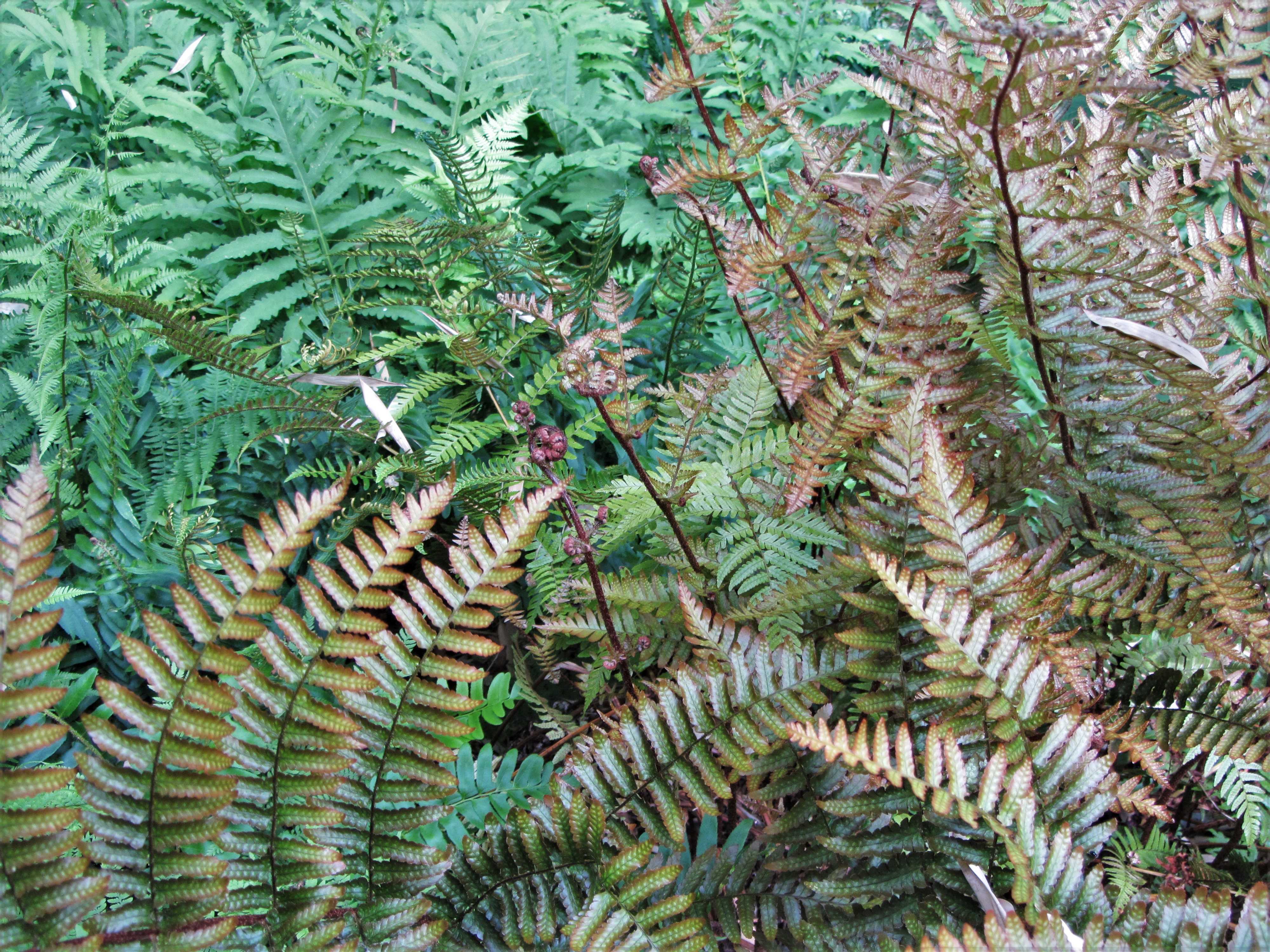
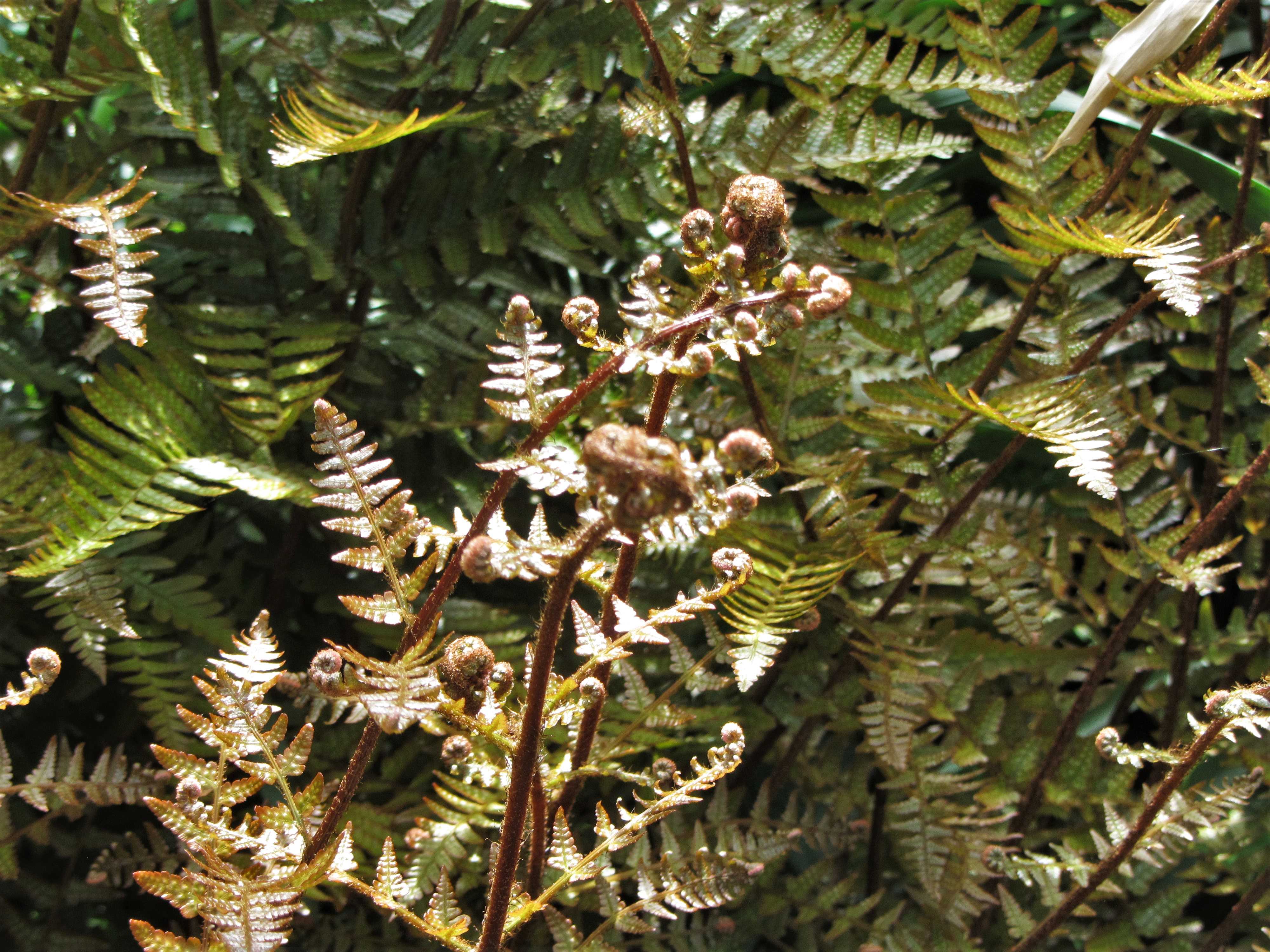
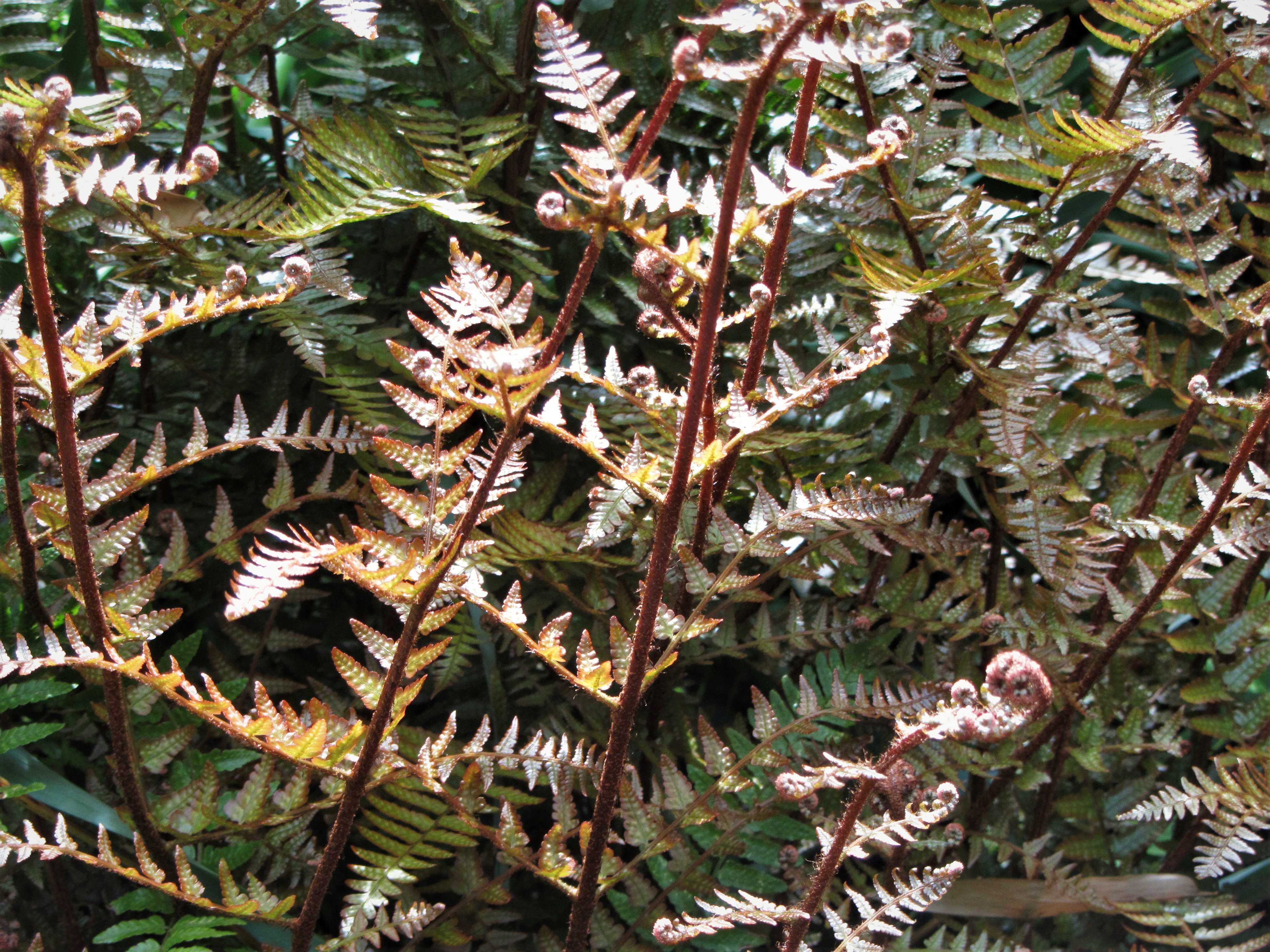
We need shade in coastal Virginia. It stays so hot for so long here that shade is the only healthy, reasonable place to be if you’re outside after mid-morning and before supper. Shade protects eyes and skin. It conserves moisture. It allows for a cool breeze now and again. And it offers shelter to birds, insects, and small animals. Many of my favorite plants require shade to survive July.
Standing in the shade may be tolerable, but stepping a few feet further down the path into the sun raises the temperature 10-20F and burns exposed skin within minutes. I try to get up and out early enough to water and work before the sun climbs very high in the sky.
Plants wanting ‘full sun’ can get by with just 6-8 hours of direct sunlight out of a 14-hour summer day. That leaves a lot of latitude for planting flowering perennials and shrubs where they will get a few hours of sun but also hours of bright shade. It takes a lot of trial and error to figure out where to plant some things where they will thrive and not fry in too much light, or sulk in too little.
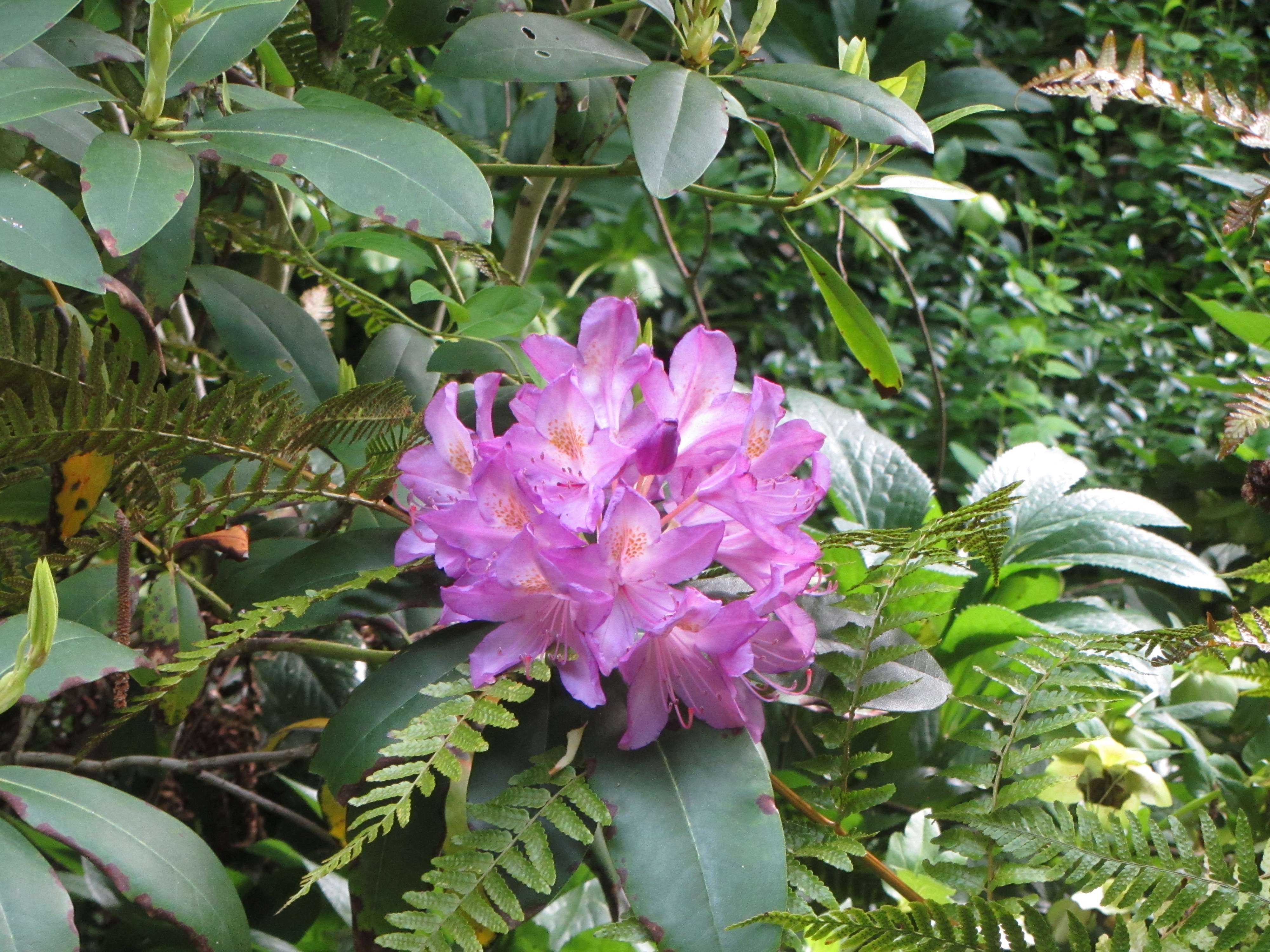
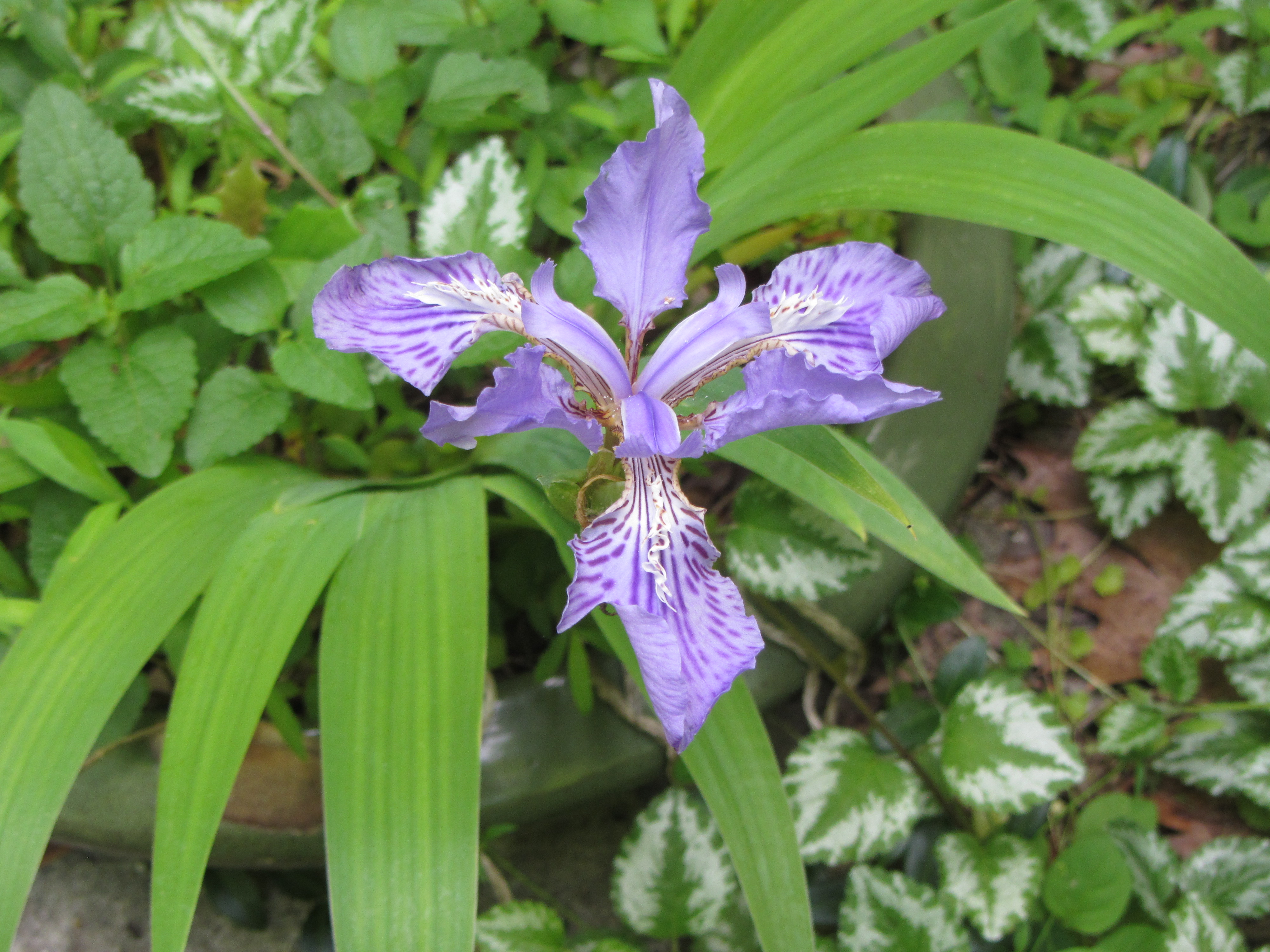
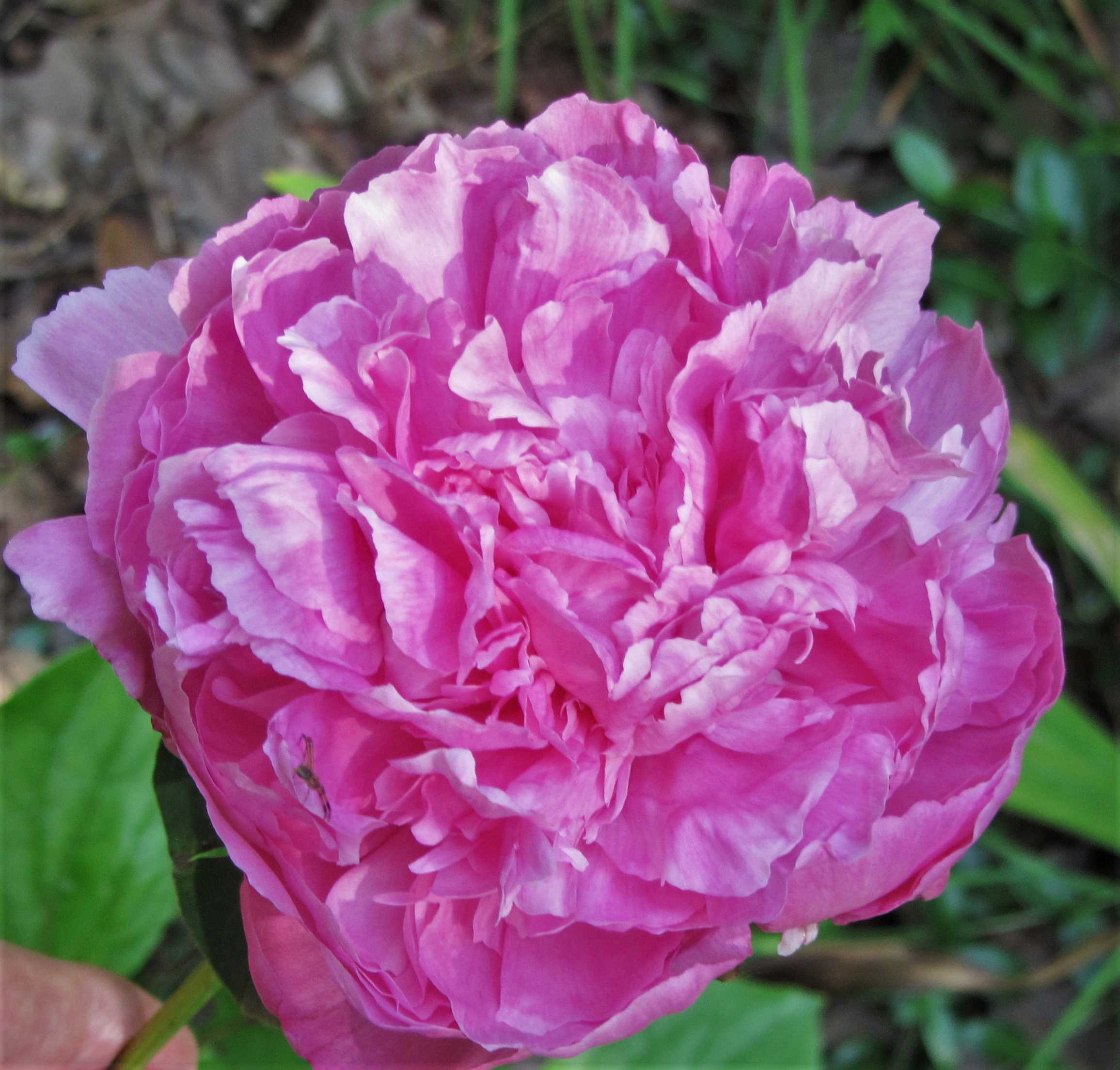
I moved a baby Japanese maple tree out of its winter shelter on the deck 10 feet away to a sunnier spot this week. And when I came back two days later, I found the tips of every leaf brown and crinkled. I hope I moved it back to the shade soon enough that it will recover and replace most of those ruined leaves.
I’ve spent a lot of time this week refreshing containers and baskets. I’m still planting most every day. I lost my plant storage area behind the house to some utility work, and so ended up giving away lots of pots of Iris and several potted trees last Saturday.
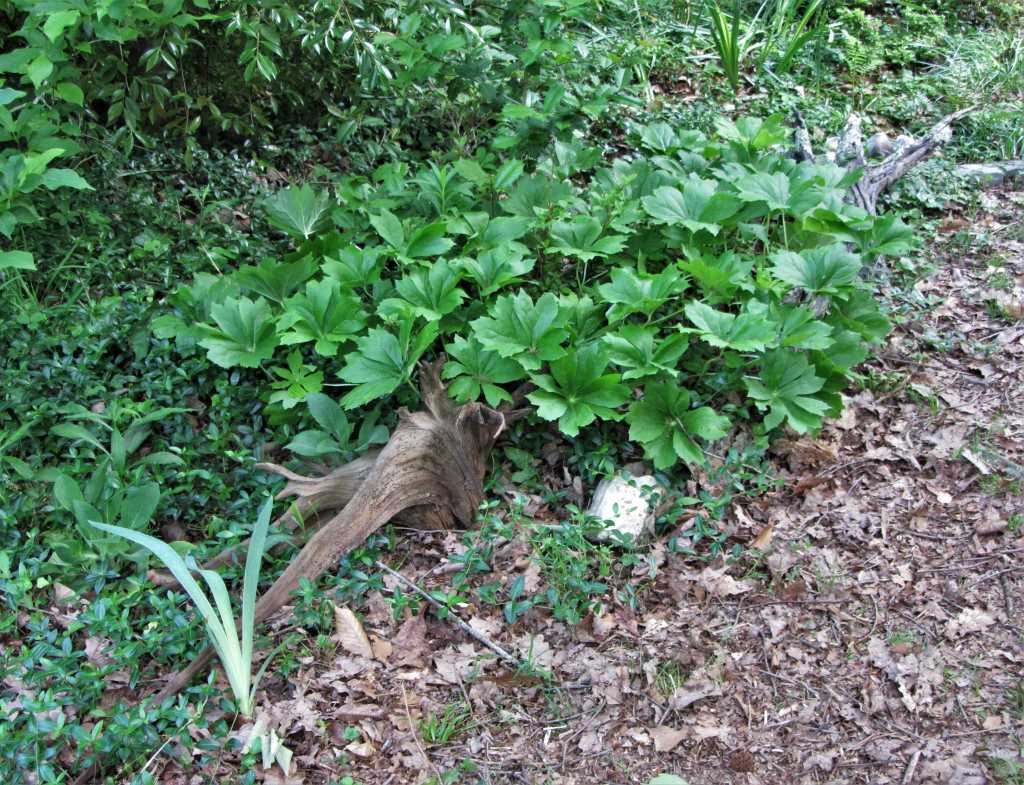
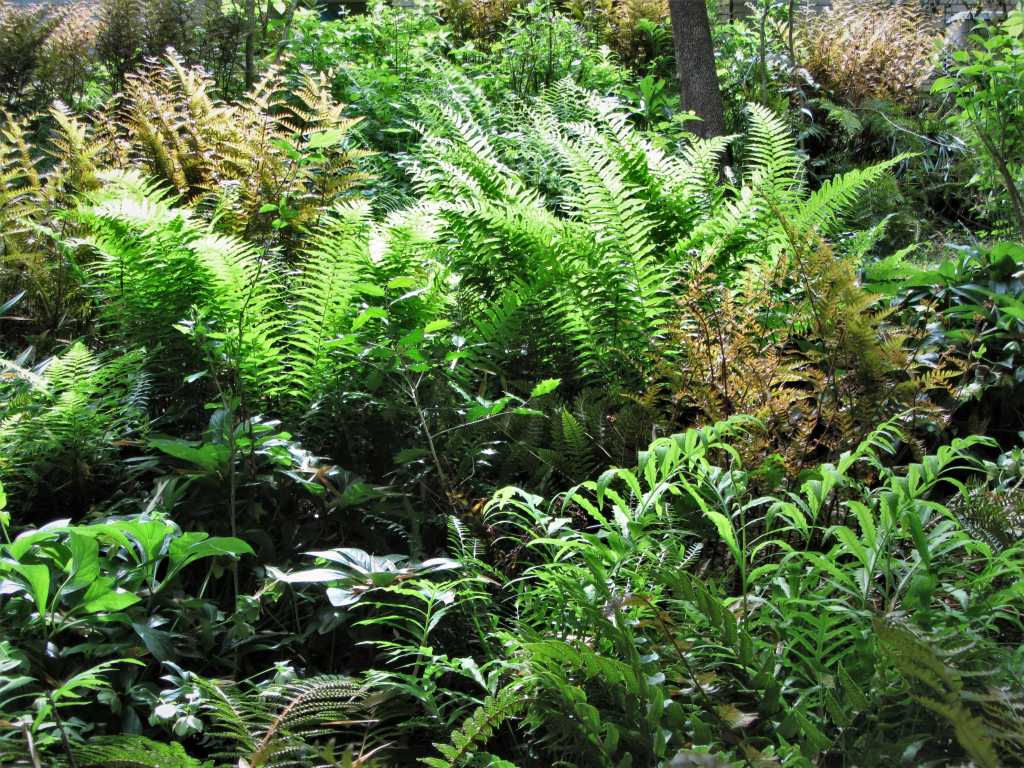
I’ve been transplanting sprouted Caladiums from their nursery flats to containers in shady places where they can grow from now until frost. I also finally planted out a few of the baby sporeling ferns that have been coming on for more than a year in their box on the deck.
It has gotten hot here quite suddenly. Last week, we had several nights in the 40s, and it was still too cold to move tropical summer plants from the garage to the garden. The new Alocasia ‘Stingray’ starts that I picked up last month don’t like cold, so they have been languishing, along with all of the Begonias and Colocasias, inside. Finally, our nights have gotten warmer, so I’ve been moving a few pots a day back outside for the season. We’ve gone from winter temperatures to summer in just about a week. Temperatures climbed into the mid-80s today by early afternoon.
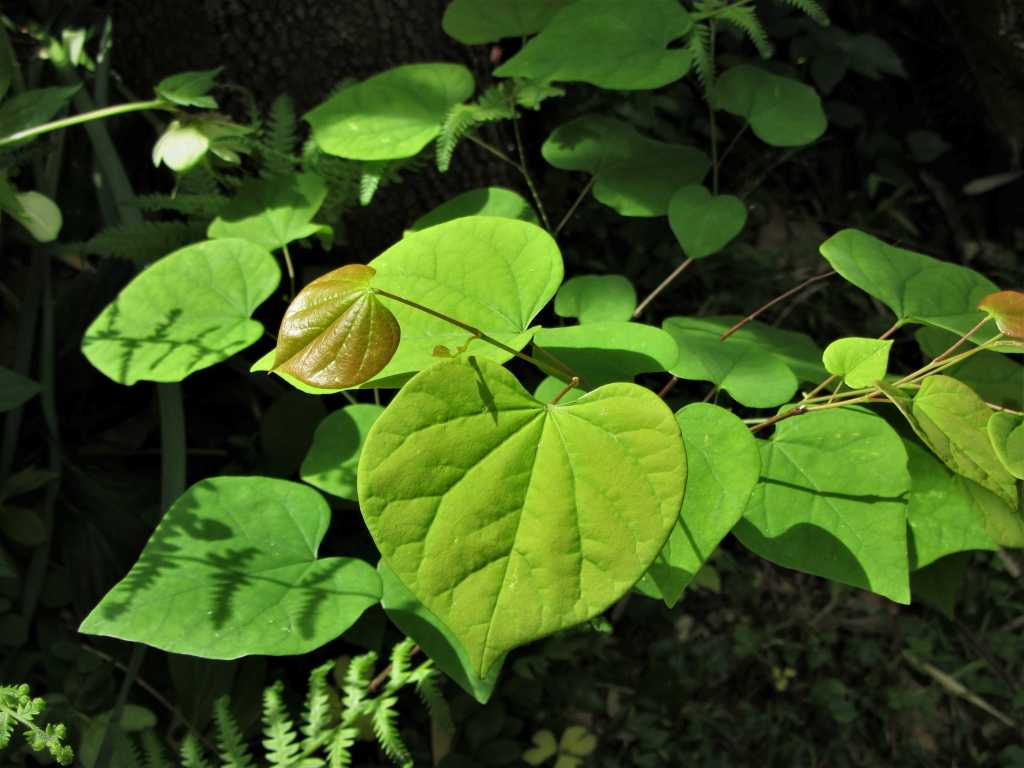
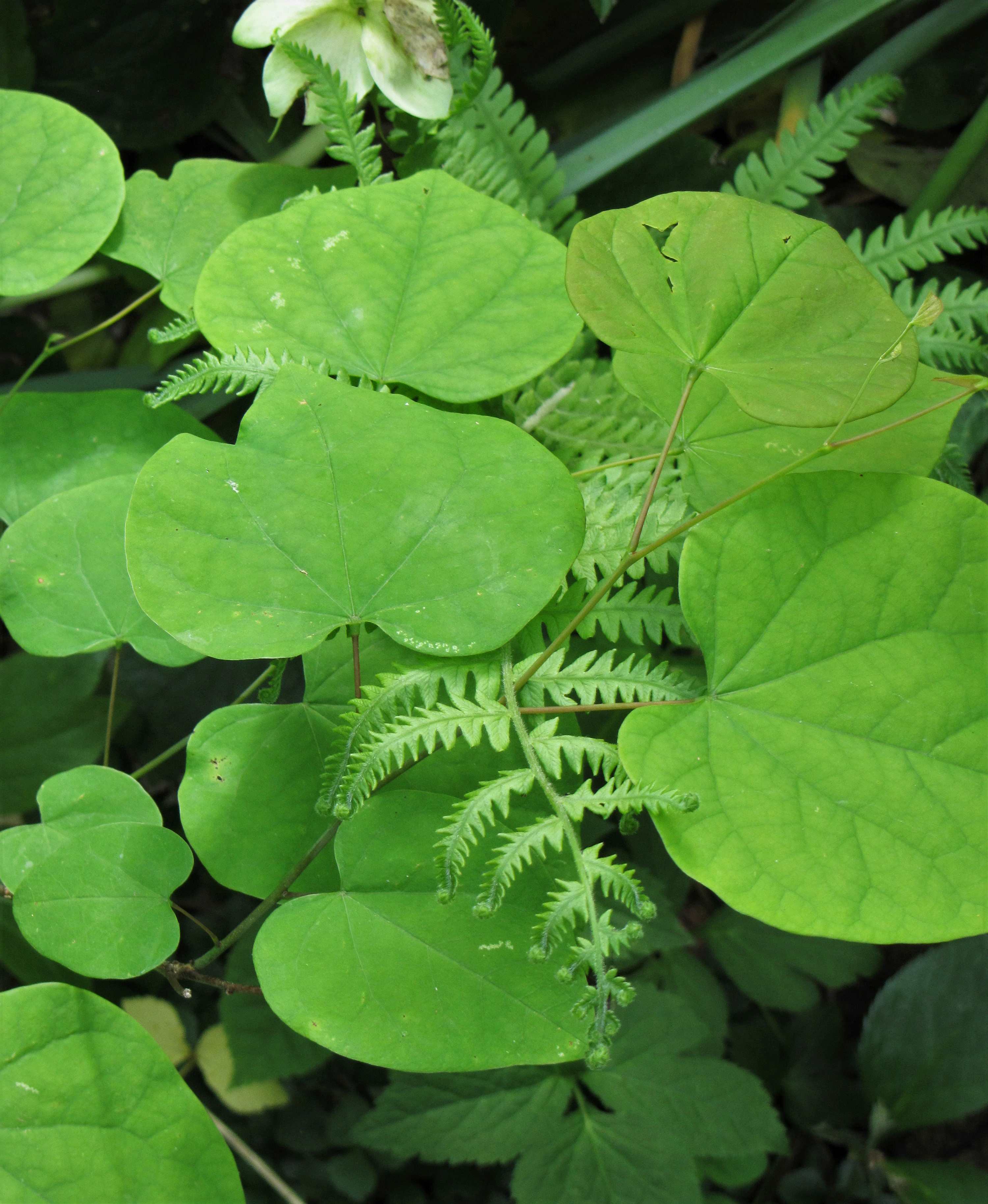
Which brings us back to shade, and how to create more of it. I look around at the little seedling trees and shrubs I began planting into this sunny space 10 years ago with great satisfaction. Most have grown very well, and their canopies now cast beautiful pools of shade. Volunteer seedling dogwoods, oaks, hollies and redbuds are filling in thickly enough that I can dig some to share with friends. I’m still planting trees, too. I’ve planted at least a dozen trees in the yard this spring, including two native species chestnut trees I ordered from the American Chestnut Foundation as seedlings a year or two ago. I’ve finally liberated them from their pots into the garden.
It amazes me how quickly the garden changes. Both growth and destruction can come so quickly. Nothing stays the same for very long, which is perhaps the point. Gardeners join in nature’s dance, sometimes leading and at other times following. But the joy is in the dance and the constantly changing beauty of it all.
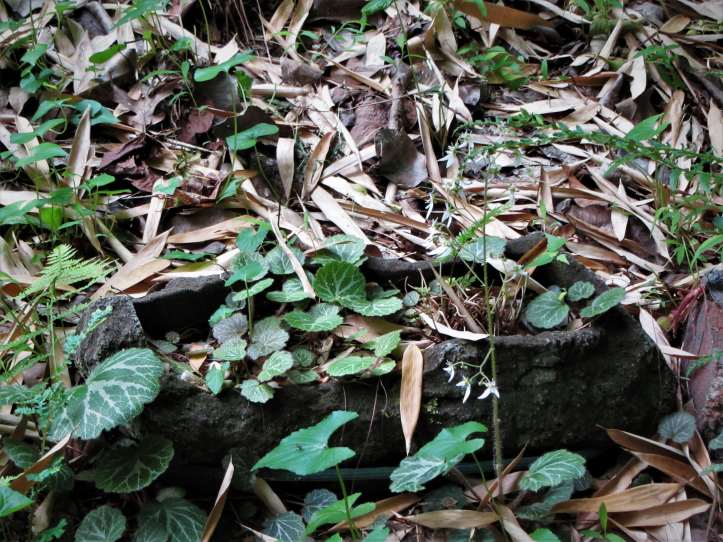
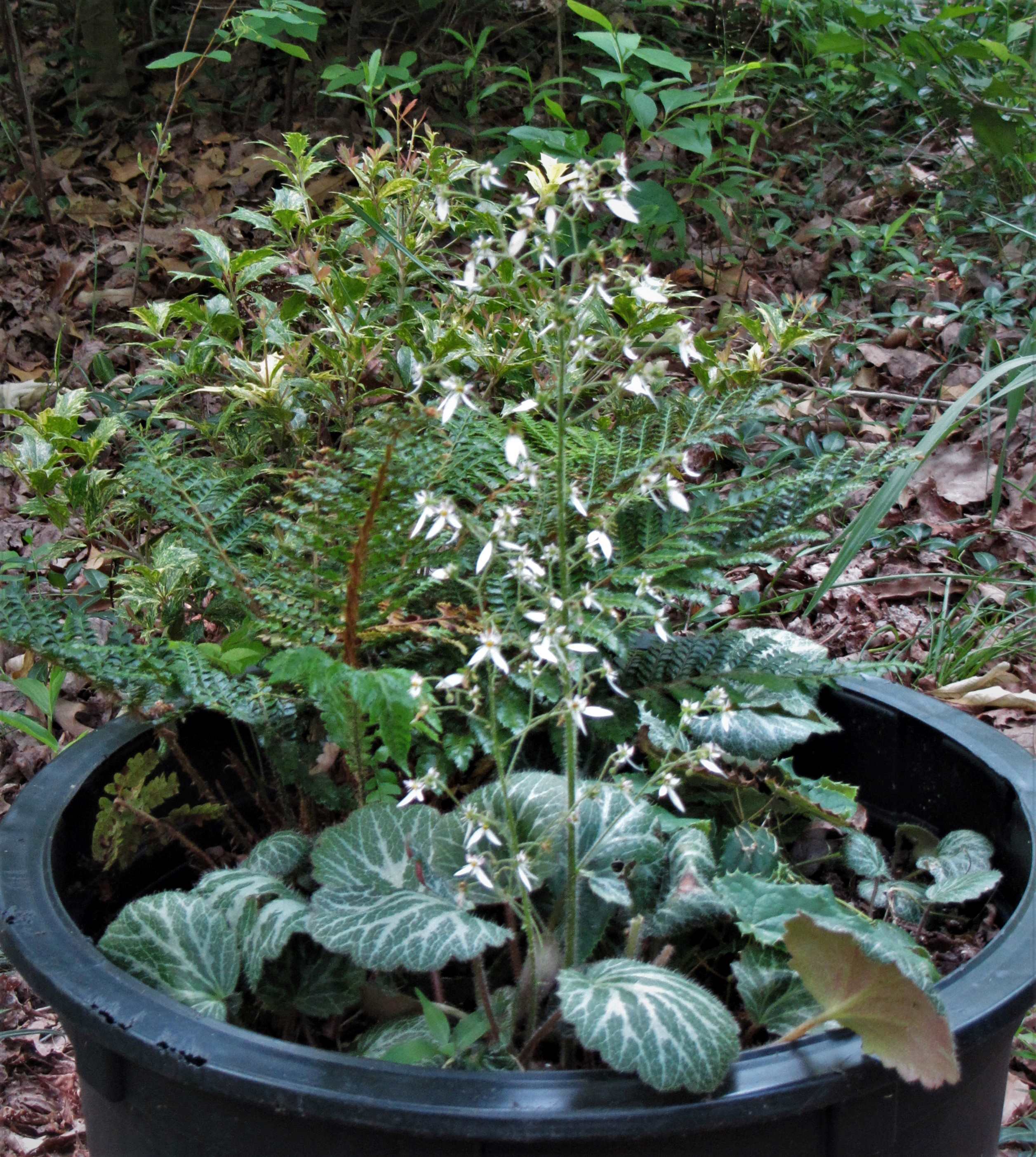
With appreciation to Jim Stephens of Garden Ruminations, who hosts Six on Saturday each week.

Happy Mother’s Day!
You might enjoy my new series of posts, Plants I Love That Deer Ignore.
Visit Illuminations for a daily photo and quotation.
 Our Forest Garden
We are expecting a jump in the temperatures, I must say I’m ready for some warmth on a regular basis.
LikeLiked by 1 person
❤ ❤ ❤
LikeLike
I remember that storm and the devastation to your yard. Changes! Nature keeps us on our toes. 🙂
LikeLiked by 1 person
It does- but even a seeming disaster can eventually be healed, and potentially lead to something better ❤ ❤ ❤
LikeLiked by 1 person
Yes, a good thing to remember!
LikeLiked by 1 person
But cold comfort, sometimes…
LikeLiked by 1 person
Redbud would be a nice native to grow wild. Western redbud is not quite the same. The color is rather bright, and the branch structure stays rather low. Although they seed efficiently, individual plants do not last long, but instead form twiggy thickets of old and deteriorating stems. I brought eastern redbud back from Oklahoma, and am very pleased with it. All that we can get from nurseries here are weird cultivars. I am not so keen on ‘Forest Pansy’. (Ick!)
LikeLiked by 1 person
We had a Chinese redbud at the botanical garden that grows symmetrically, blooms reliably, and looks great in all seasons. The native C. canadensis can grow into some very weird shapes and forms. It leans for the sun when grown in the edge of the woods and may grow quite tall and spindly if grown in too much shade. They are persistent, and will just continue growing if they fall over or get broken in a storms. I love them. They are one of the most determined and optimistic plants I know. I’ve not grown the western form, or seen it in bloom. The Redbud Project, run through Nature’s Notebook, is studying both eastern and western species.
LikeLiked by 1 person
Western redbud is better in the wild. The annoyingly vibrant pink is pretty amongst drab chaparral vegetation. No one notices that individual plants do not last for long if they are constantly replaced.
LikeLiked by 1 person
And I agree with you about the ‘cultivars!’
LikeLiked by 1 person
Even without the sort of summer temperatures that you get, I still love my shady area and all the plants I can grow in it. Creating and growing in shade seems a much more positive response to climate change than rolling over and planting xerophytes. I’m for fighting back, not giving in.
LikeLiked by 1 person
Well said! I have shifted what I grow in hanging baskets that get a lot of sun, though. My attempts at petunias and such are long past. I am planting a lot of Portulaca and herbs this year! Most baskets are now in shade, but a few get full sun for most of the day, and those are the ones I struggle to keep hydrated and looking nice. Maybe I should go for the full xerophyte experience in those!
LikeLike