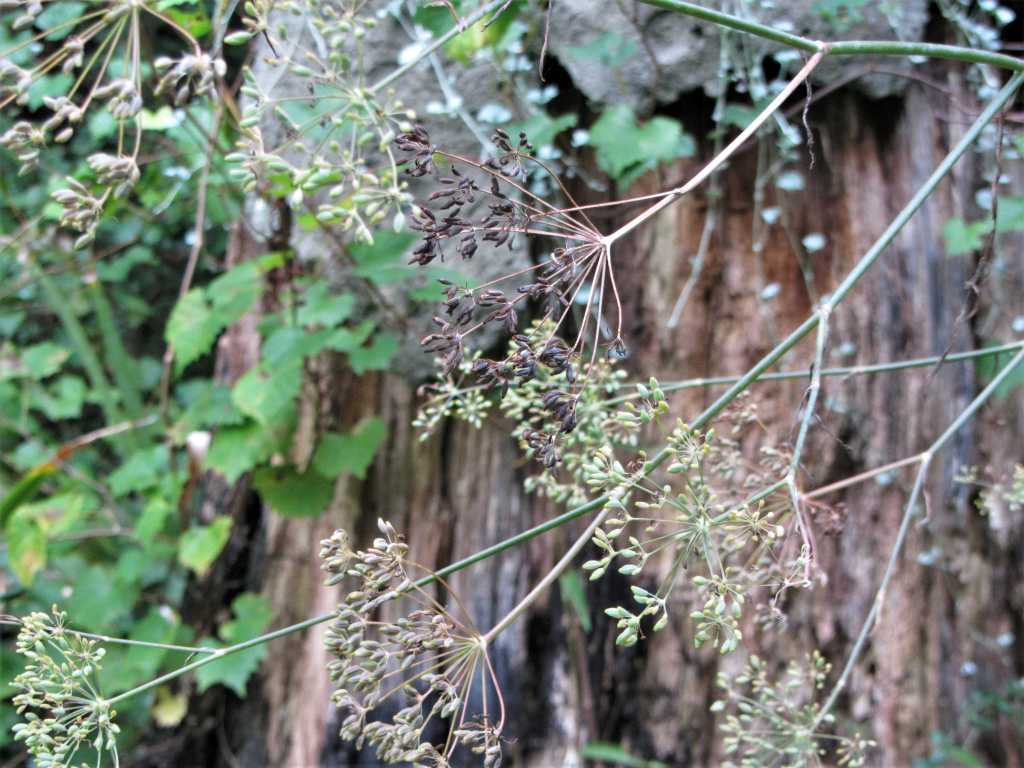
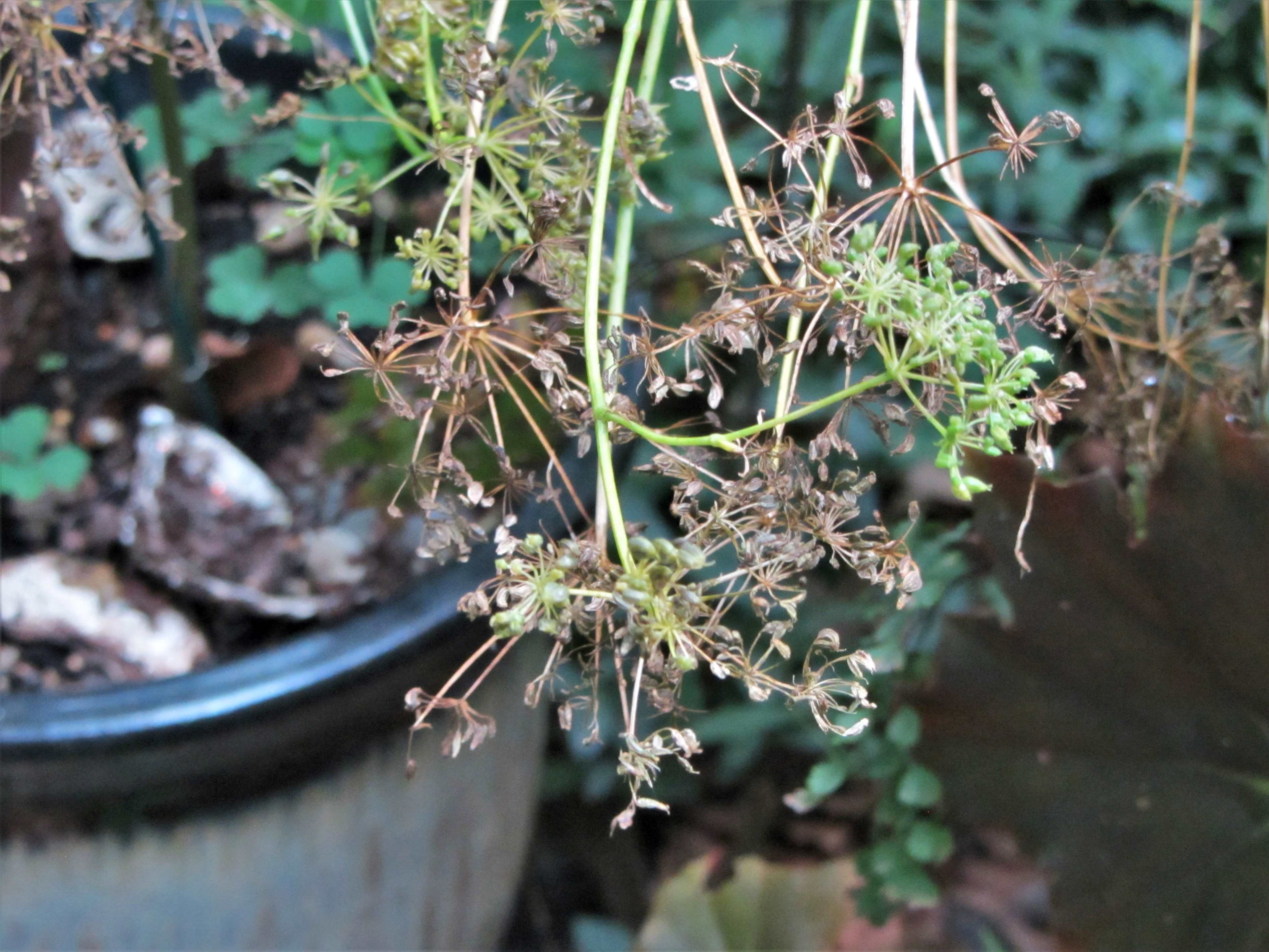
Every tiny seed holds a bit of life, stored efficiently enough that it can spring into growth in some future time when conditions permit. The saying goes that every acorn holds the potential for a future forest of oaks. Although that acorn will grow into only a single tree, that new tree can produce millions of acorns during its own life.
Every seed is a rich package of DNA, stored proteins, carbohydrates and minerals in the cotyledon, and a tiny embryo plant ready to extend its tiny root into the world as it begins to grow. Everything that embryo needs to fuel its growth in its first few days, until it can photosynthesize, must already be there in the seed. There is magic in watching life emerging from a seed as it cracks open, allowing that embryo to grow into its potential.

Some gardeners save seeds from their favorite plants to sow next year. But many gardeners rush to deadhead flowers as they fade, tidying up and encouraging new blooms. A few of us enjoy watching the unfolding of each flower from bud, to blossom, to fruit or ripened seed.
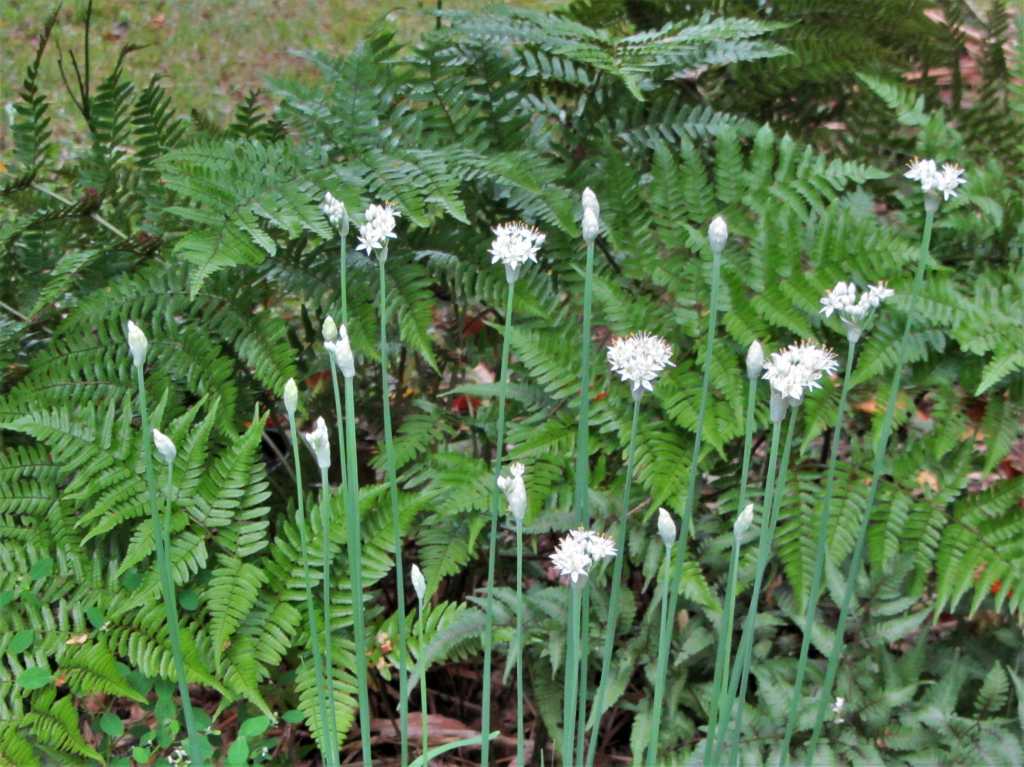
A single plant can produce tens of thousands of seeds each year. This is bad news when the plant isn’t desirable, or you simply don’t have space for them to mature. In those years when I’ve been soft-hearted, curious, or neglectful, and allowed certain seeds to ripen, I’ve paid for it in subsequent years with a huge crop of seedlings to manage. I had a sea of goldenrod seedlings to pull this year, and I can see the damage the goldenrod has done in crowding out more desirable plants in recent years. I also have a sea of garlic chives, which now serve as a ‘matrix’ plant cropping up in odd spaces everywhere.

Yet, some gardeners design their spaces around plants that reliably self-seed year to year. After establishing a few individuals in year one, they expect an ever evolving display of flowers from seedlings in years to come. It takes great faith to scatter flower seeds in fall or winter in expectation of summer flowers. Bulbs seem much safer, mainly because seeds prove such a valuable treat for wildlife in winter.
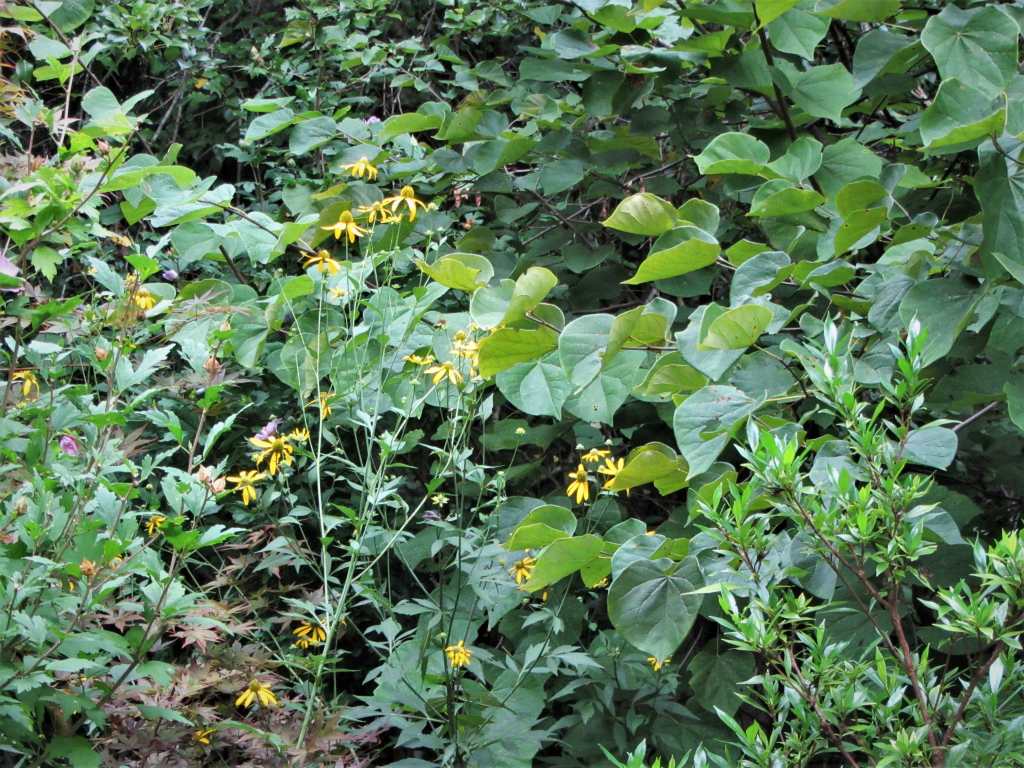
When you consider that only a very small percentage of seeds ever have the opportunity to germinate and mature, it almost makes sense to let the patch of Rudbeckia stand while birds forage its seeds all winter. I love watching a flock of goldfinches rise from their feasting as I walk past. And now Rudbeckia seedlings come up each spring in sunny spots around our yard. The small black-eyed Susans aren’t so much of a problem, though I gave dozens away this spring. It is the much taller varieties that take so much space and shade other plants.
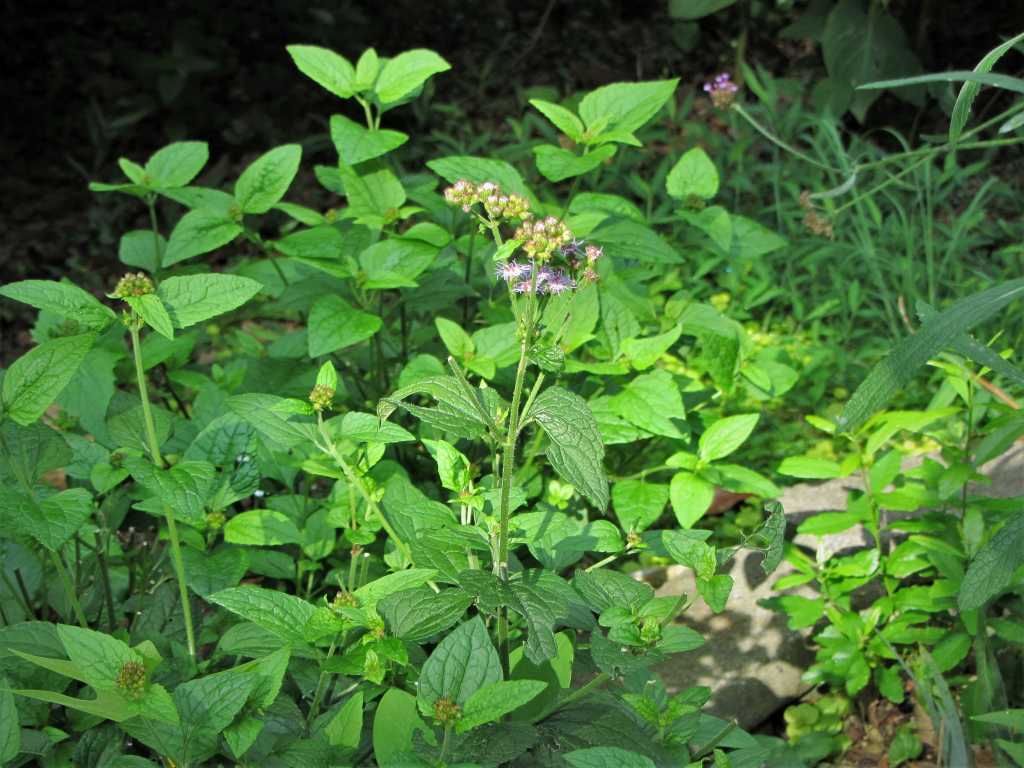
Hardy flossflower, Conoclinium coelestinum, in an indigenous native plant that freely self-seeds in our yard. It even shows up in containers. It is beloved by pollinators and takes care of itself. After a year or two of ‘weeding’ it out, I realized that it is a useful perennial. Photo 2 is another native self-seeder that has taken over a large area of our garden. I favor it over goldenrod. 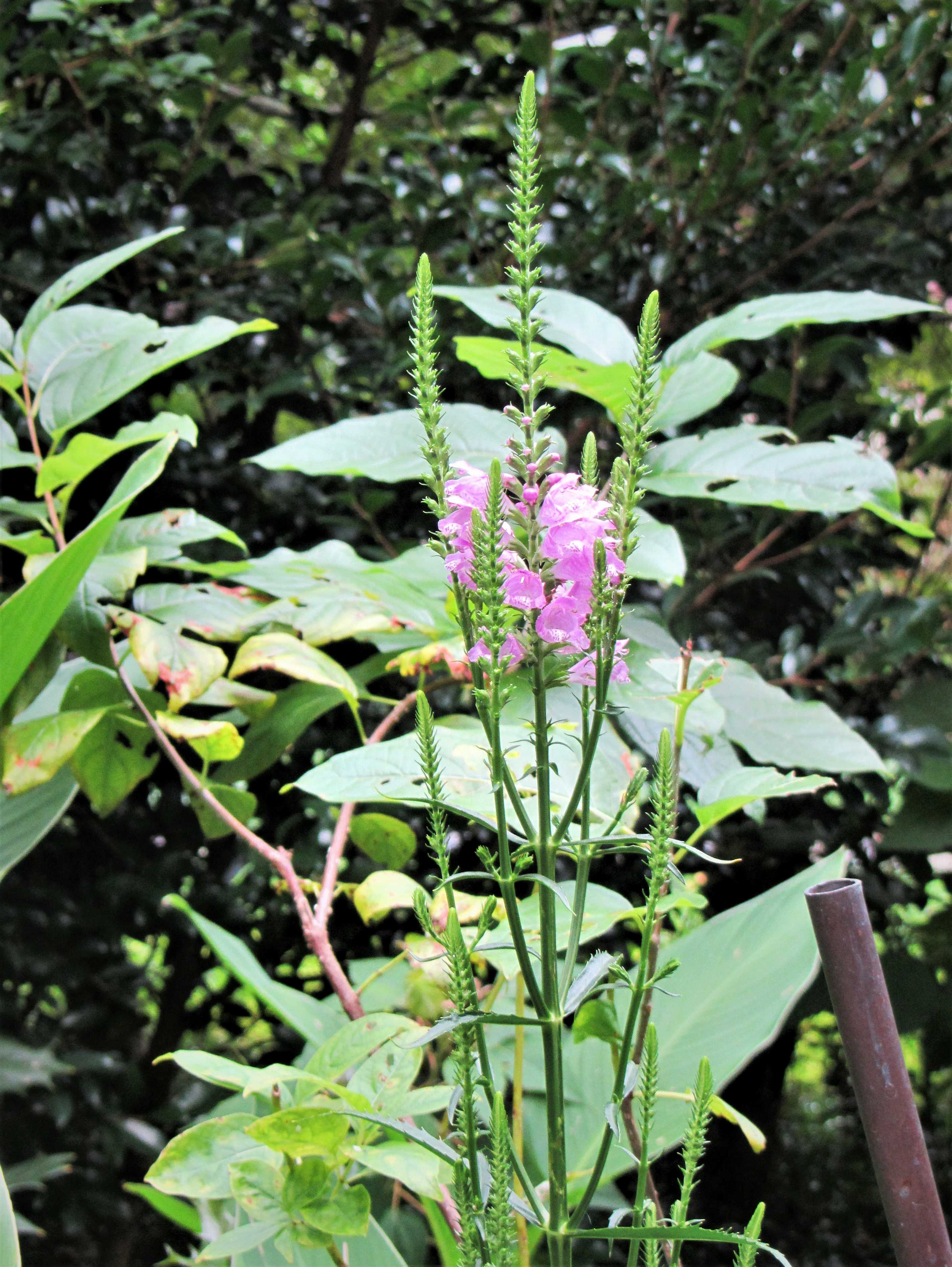

Wildlife gardeners know that birds and butterflies respond more readily to a large population of a species than they will to an individual here and there. Volume makes a difference when trying to attract certain animal species to your yard. They have to ‘see’ what is there and have some confidence that there is enough volume to meet their needs. Monarchs may not see a single milkweed plant in a pot as they flutter past. But they will certainly see, and visit, a larger stand of plants where their larvae will find enough food to mature.
That is why it can be a good thing to grow a greater volume of fewer species. Garden designers advise us to plant in blocks of three to seven plants. That may not be in the budget at the plant shop, but we will certainly develop those larger blocks from flowering plants left to self-seed and spread on rhizomes.
A few of the plants we grow feed pollinators with their nectar and pollen, feed various insects with their leaves, and finally feed birds and other small animals months later with their seeds. We enjoy their flowers during their season of bloom, but we often enjoy watching the butterflies and birds visiting them even more. We appreciate these plants, like Hibiscus, Physotegia or obedient plant, and Rudbeckia as much for their functionality in our wildlife garden as for their ornamental beauty while in flower.
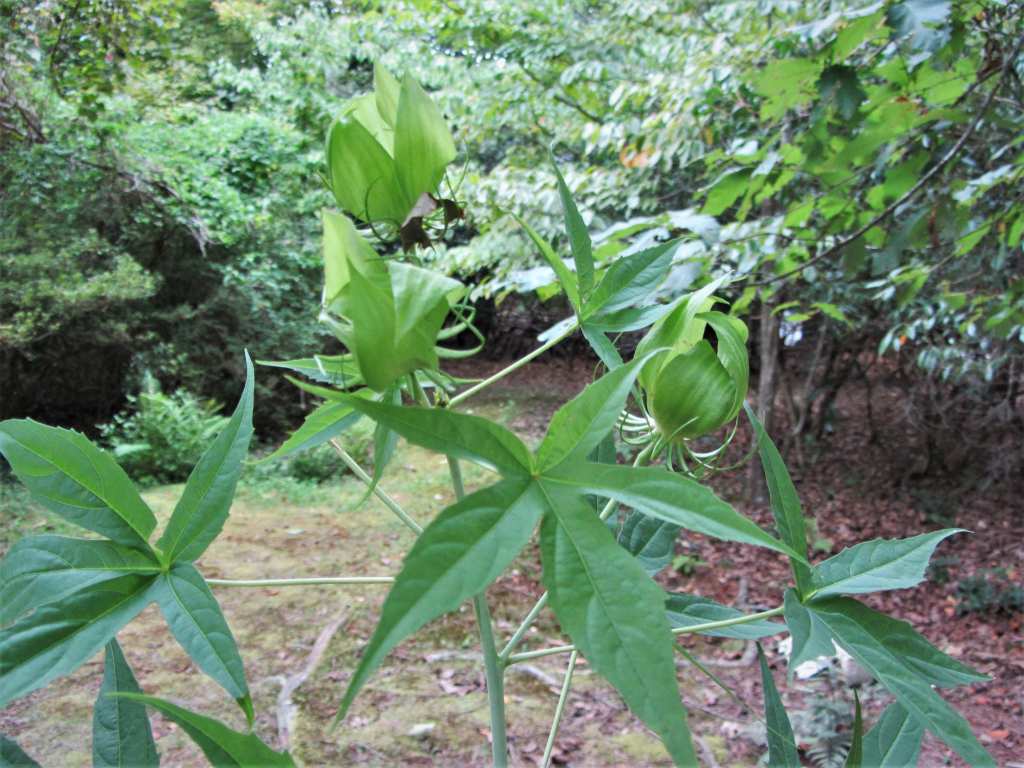
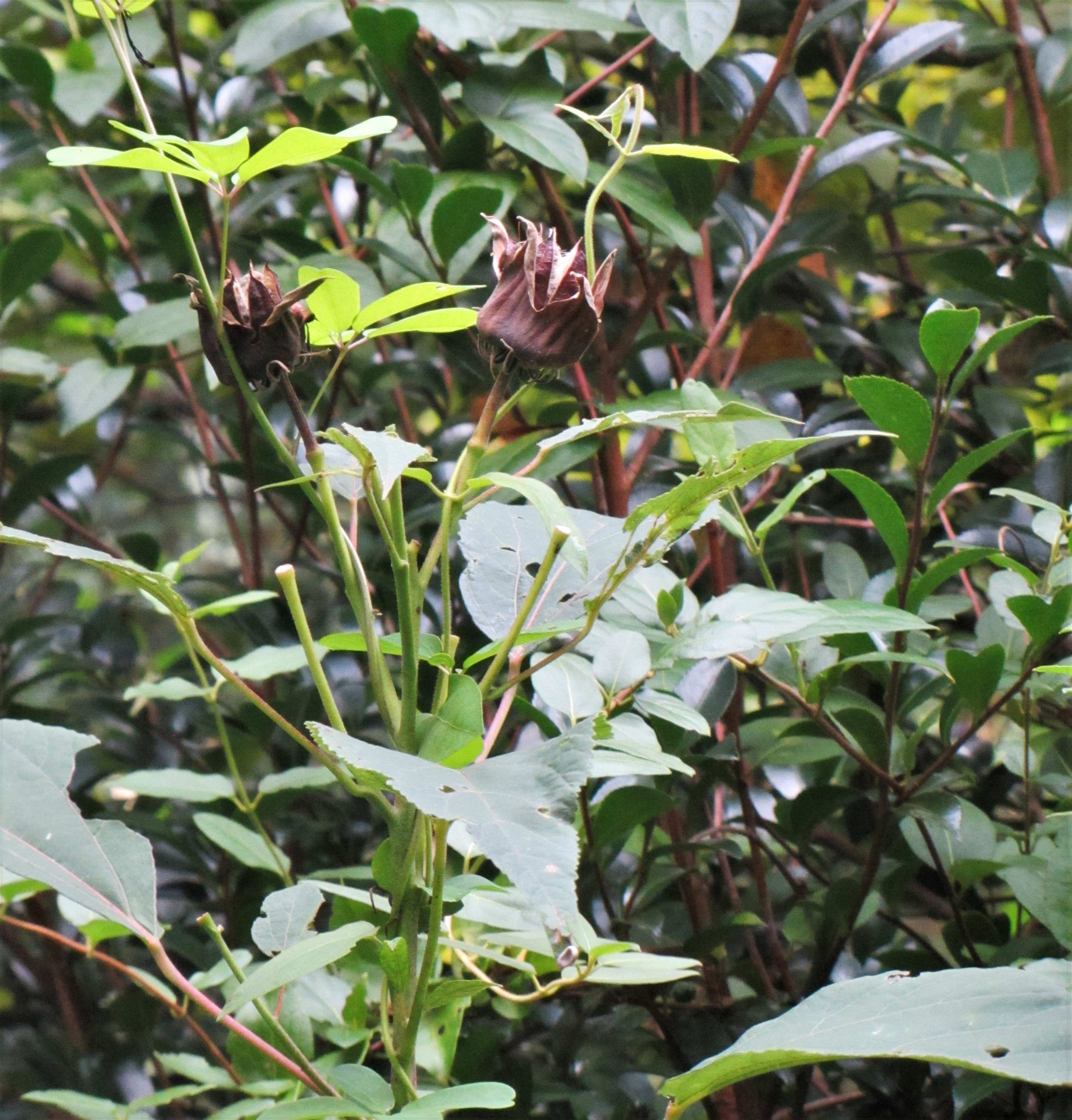
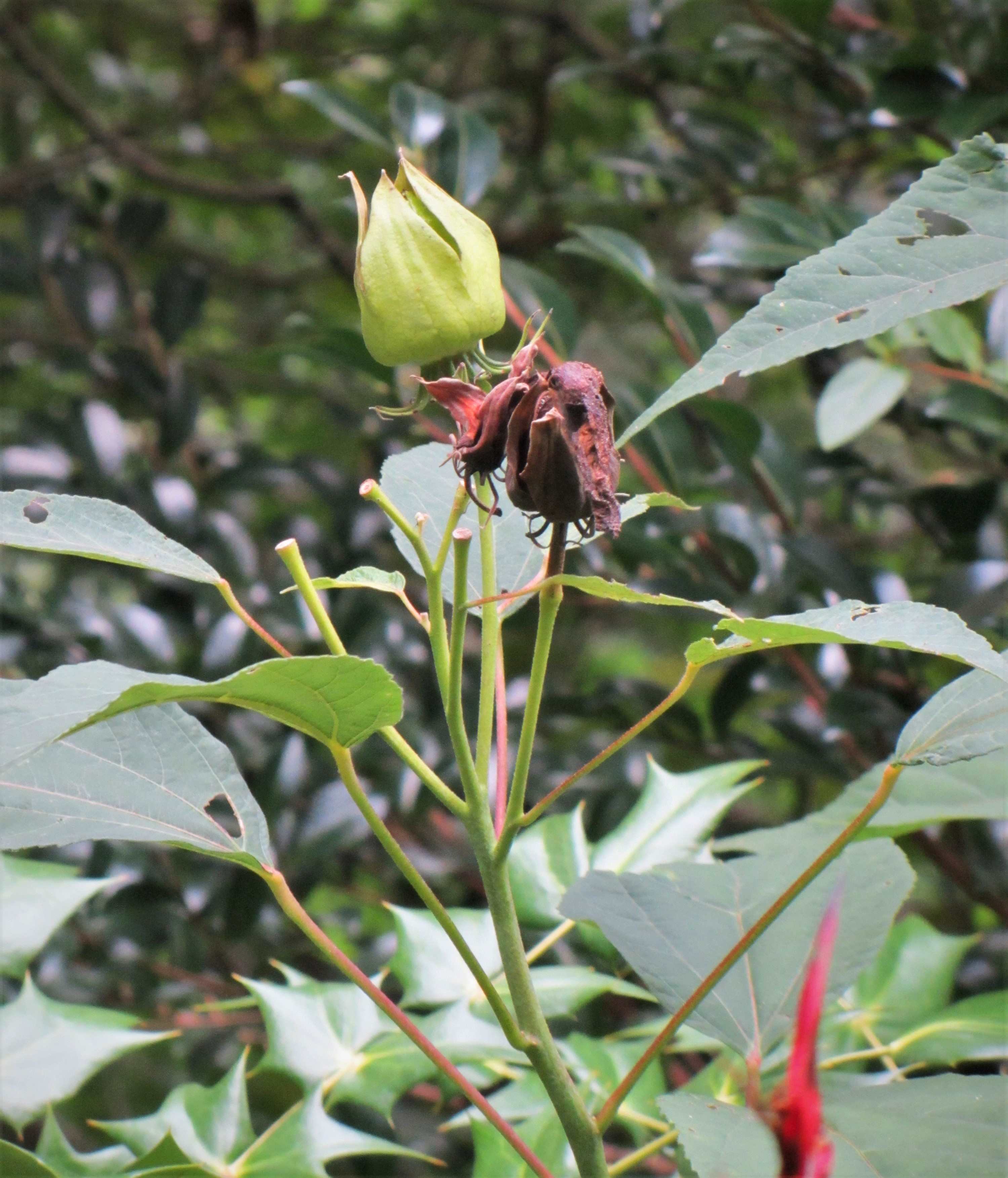
To get a full measure of value from plants like these, we have to let them go into decline. This can be tough when we feel that others will judge our garden spaces on neatness. Once they are no longer ‘pretty,’ we feel obliged to do something to neaten them up.
That something generally means cutting them back, or at the least deadheading their fading flowers and browning seed capsules. Yet even those brown, dying stems provide habitat for many insects that overwinter in our garden, which also means another source of winter food for those birds who stay behind. Simple ‘signs of care’ like paths, fences, art, neat shrubs and blooming containers can telegraph to visitors that the fading plants are intentional.
Nutrient packed seeds left standing in the garden can mean a difference between life and death for songbirds, mice, squirrels, and so many other small animals through the coldest months of the year. Instead of offering purchased seed mixes, we can let nature play out her own plans and rhythms in our gardens. Everything in nature multi-tasks, and everything is interrelated. Plants aren’t ornaments so much as nodes in the web of life. If we can see the beauty in even these ripening and declining stages in our gardens, we will support more life than we can ever imagine.
With appreciation to Jim Stephens of Garden Ruminations, who hosts Six on Saturday each week.

You might enjoy my series of posts, Plants I Love That Deer Ignore.
Visit Illuminations for a daily photo and quotation
 Our Forest Garden
I enjoy collecting seeds and attempting to grow them the following year – free plants! This can be good if the plants already thrive in your garden conditions.
LikeLiked by 1 person
Yes- it is so much easier when the plants already grow well without a lot of additional care. And they stay beautiful longer ❤ ❤ ❤
LikeLike
Collecting seeds, sorting them, and then sowing them and seeing them grow: I think that’s what I like best about gardening!
LikeLiked by 2 people
It is one of the happiest pleasures of life, with such a feeling of success when they sprout and grow!
LikeLiked by 1 person
Me too! OK, that and the insects…
LikeLiked by 2 people
We are of like mind. I have cut one or two of my lettuce seed heads and scattered them around the garden. A few are left standing for the birds. My garden is an experiment every year. This year a mystery squash is taking over – it may be a hybrid between delicata and zucchini – looks like a delicata, but not cylindrical – it is wider at the stem end, tapering to the blossom end. I will be eating a lot of squash if it is tasty, and not toxic as random squash hybrids can be. Supposedly it will be quite bitter if it has gone rogue on me, in which case, I have my autumnal display sorted. I am battling excess Agastache, which is trying to grow in the areas dedicate for veggies, but at least it is easy to identify and pull up.
LikeLiked by 1 person
Agastache is enthusiastic, isn’t it? It is a short lived perennial here, though. I’ve had mostly hybrids and haven’t had any seedlings emerge. The variegated one I planted most recently never showed up this spring. Things people say you shouldn’t let go to seed, like lettuce and ornamental kale, really do have wonderful seeds for the birds. We had our first goldfinches of the season turn up this morning on the tall Rudbeckia. Such a joy to see them and to hear them! Have a terrific week, and I hope you have been safe from the summer storms rolling through these past few weeks. ❤ ❤ ❤
LikeLike
You too! No storms for me, just unbearable heat that has thankfully passed. I’d have liked some rain, but glad we did not get tornados. Seeds-one year my broccoli went heavily to seed and one morning I saw a flock of migrating birds ravaging the seed pods. Kale as well – ornamental or no, the birds live those seeds.
LikeLiked by 1 person
It is amazing how there are always creatures ready to use what we would discard.
LikeLike
Chiming in as another avid seed collector! I’ve actually been looking for seed trading networks to share and try out new stuff.
Also, I’m impressed by how prolific your garlic chives are — I’ve been trying to get mine to survive for the past few years but they just don’t seem to do as well as the normal chives.
LikeLiked by 1 person
Isn’t it interesting how much climate influences which plants will do well for us, or just sit there and sulk? Most of mine are in some degree of partial shade and grow on amended clay. When the chives first came up this year, we were in our dry spell. They looked awful. Thank goodness they sent up new foliage when the weather improved and we have a prolific bloom this year! Are you gardening in the US, somewhere in Europe, or ‘down under?’ Many of the participants in ‘Six on Saturday’ share plants or seeds through the post from time to time. But it is much easier within the same country. Thanks for visiting, Angela. I popped over to your site and enjoyed your many gorgeous flowers. You’re inspiring me to cut a bouquet. Wishing you a beautiful week ❤
LikeLiked by 1 person
Seriously! Perhaps the chives might like more shade than I’d thought? I mean, we’re so far north that I’d think they’d want as much sun as they can get… but they are cool weather plants, so perhaps it’s the neverending sun that’s doing them in. Now you’ve got me wondering if perhaps planting them in autumn might be the key?
I’m in Finland, by the way! Which makes it a bit more difficult to look for other bloggers because a good portion of them blog in Finnish. At this point, I’m mostly just looking for anyone in the EU, but I’m sure that will happen eventually.
LikeLiked by 1 person
Many plants are profoundly affected by day length, so you may be right about the chives. It is impressive how many different things you can grow in Finland! Perhaps if you plant some chives in a good size pot, and then move them around a bit until you see them thrive. Fall planting may be the key, too. Good luck with them, though. These white garlic chives make terrific cut flowers. I’ve used them many times, particularly back when I made Monday vases. They are blooming mixed with the black-eyed Susans, now, and they look great together!
LikeLiked by 1 person
I was thinking the same thing, about moving them around to different locations to see what they like best. No way of knowing without some experimentation!
LikeLiked by 1 person