
Persistent rain and a bit of wind from Tropical Storm Ophelia accompanied the Autumn Equinox this past week. We watched the storm’s formation and approach up the East Coast, anticipating that the rain it brought us would soak into our still-dry garden and bring about the changes our area needs to allow for a beautiful burst of color in coming weeks.
Days have grown noticeably shorter and cooler. The breezes, cloudy skies, cooler temperatures, high tides and dampness have persisted for the entire week. The storm has also persisted further north along our coast, and continues to send northeasterly winds and showers our way. What a perfect way to celebrate the Equinox, this point of balance in the turning of the year.
As Ophelia’s remnants churn off the coast, two more tropical systems blow ever closer to North America as they also churn through the Atlantic. Forecasters send them northwards before they reach our coast, but there is never a guarantee. The weather systems are unpredictable and unusually extreme, still, with an atmospheric river inundating the Pacific Northwest even as epic rains flooded New York yesterday.
It is now impossible to deny that recent weather is dangerously chaotic and that things are shifting in our planet’s climate and usual patterns. The difficulty comes in finding agreement about what to do about it, commitment to action, and willingness for individuals to make personal changes to our own patterns of behavior and consumption that might make a positive difference in the larger picture. While we dither about what to do, the planet’s atmosphere itself, in the form of winds, rain, and tides, makes change. Very expensive to repair change.
When faced with large problems, there is always an opportunity to begin doing what we can, where we are, with what we have. Our creativity is challenged to take stock of what resources we each have available and figure out how we might use them to make helpful and positive steps towards solutions to those challenges. The other parts of this effort is to believe that our individual efforts and contributions matter, and to learn enough about the challenges to figure out whether our actions can make thing better, without creating more problems.
While I adopted a plant-based diet for myself and my family decades ago, I tweaked that a while back to also eliminate participation in the dairy and egg industries. It took determination to give up butter, cream and cheese, all foods I enjoy. However, methane and animal waste pollute both air and water. The enormous environmental costs of raising these animals for food production feels wasteful to me when there are good alternative foods available.
But I’m still driving my gas-powered vehicle, although less than ever before. The new EVs also come with a high environmental costs, particularly if their batteries catch fire. Some find themselves in a position to go without a personal vehicle at all, but not where I live.

Most of us can find ways to consume less and enjoy our lives more, especially once we contemplate the resources, energy, and transport involved in producing various products we might consume. We can often find alternatives to products the require fossil fuels and poisonous chemicals in their manufacture, or that emit more heat-trapping gasses in our atmosphere.
Like mathematics and geometry, thoughts like these are simply contemplation of the architecture of our shared world and experience. Looking without fear or prejudice at the weak spots in the structure, and considering how we might help make repairs at best, and stop doing additional damage at the least. Those of us with children and grandchildren hope to pass on a sustainable future so they can also live in peace, happiness and good health on our shared planet.
Planting anything, but particularly evergreen perennials, shrubs and trees is one solution all gardeners can implement. Plants naturally filter carbon and other heat-trapping gasses and pollutants from the air, sequestering these elements in their wood and leaves. Forests are the most efficient at cleaning our atmosphere and lowering the overall amount of carbon and other pollutants. But even small plants, like ferns, ivy and other evergreen vines, hellebores, and mosses contribute to the effort of scrubbing the air, holding the soil, and healing the Earth. We can all transform our own space into a partial solution to our larger challenges. When we can grow some of our own food, that becomes an even more powerful solution.
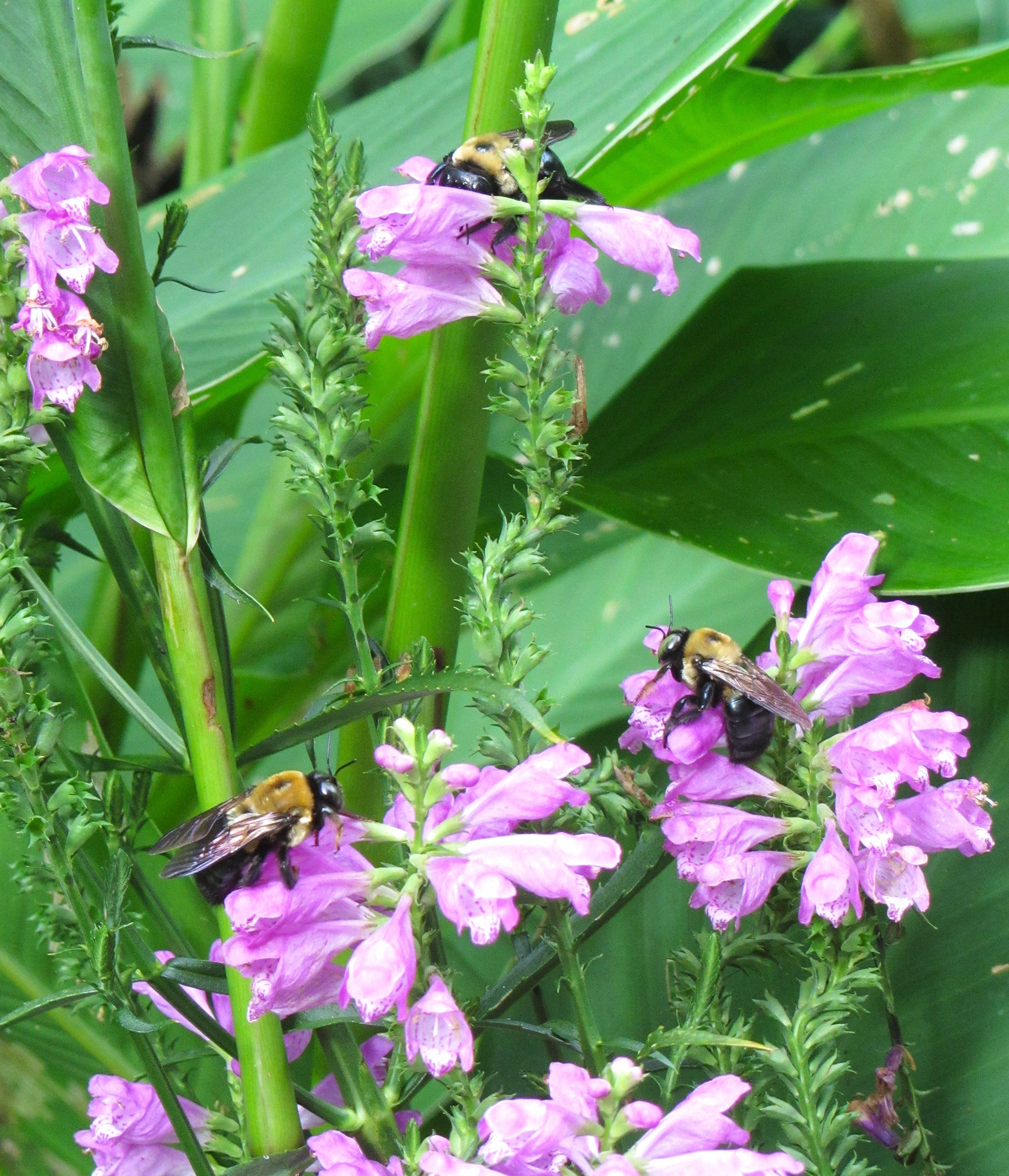
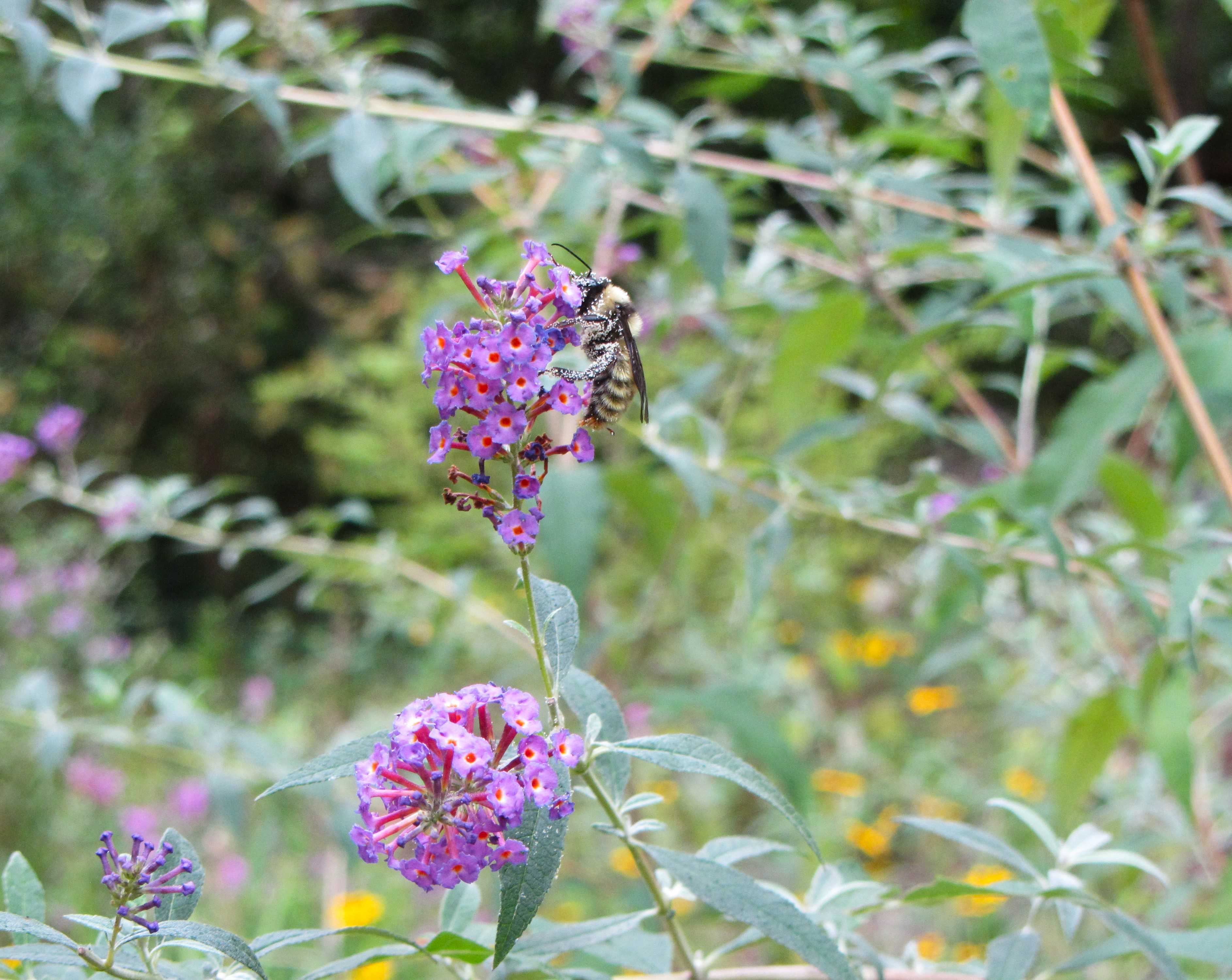
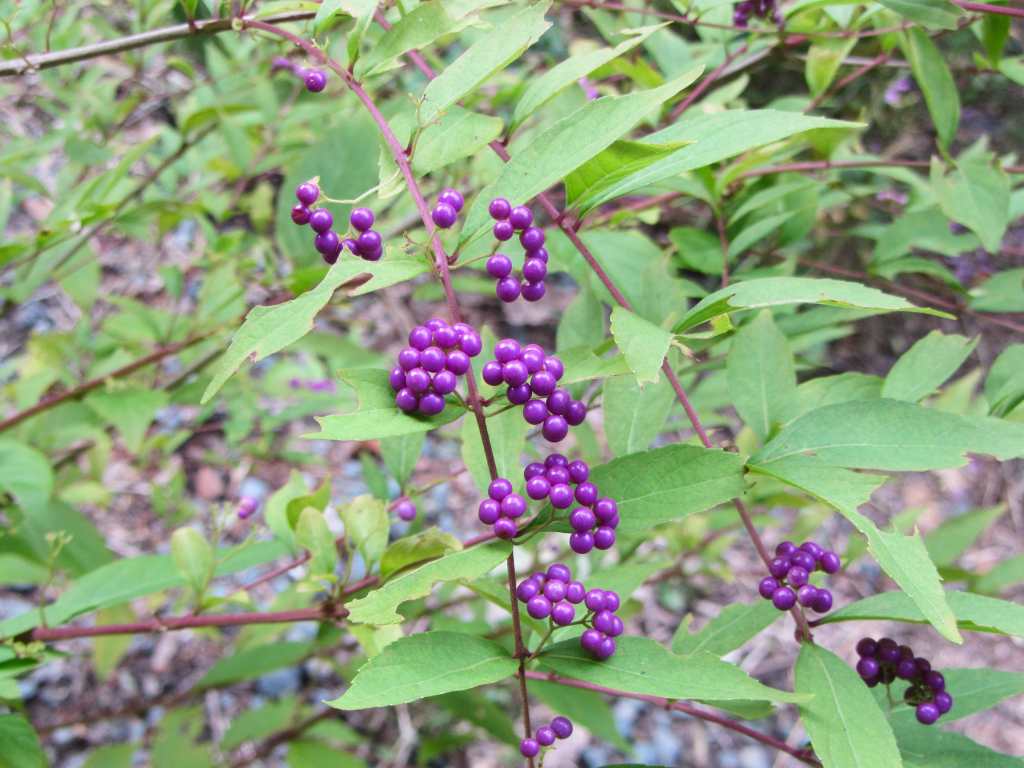
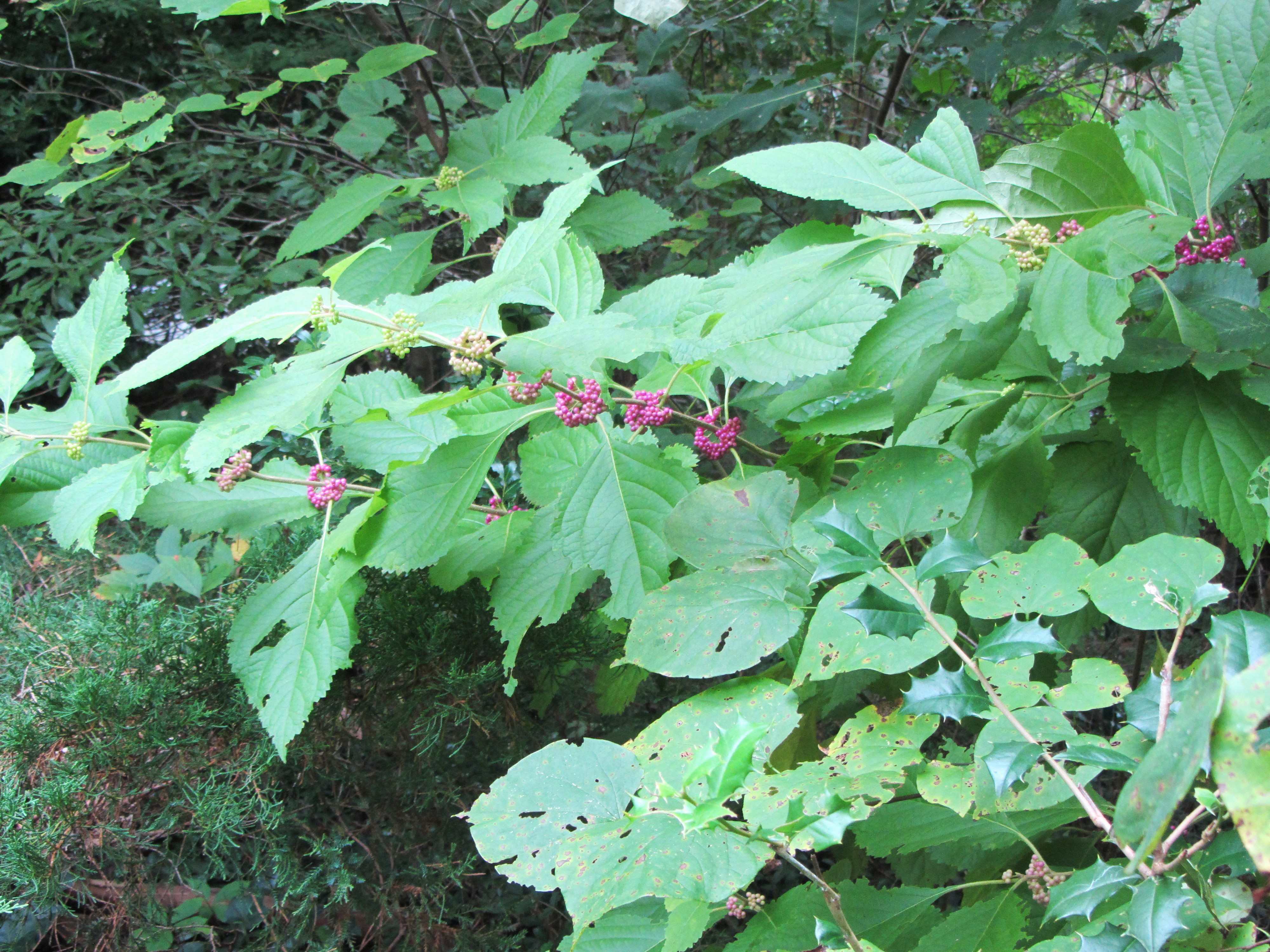
This past week we have been enjoying comfortable temperatures again. We haven’t needed to run heating or cooling systems for days now. Leaves are changing color, dogwood and beautyberry drupes have grown brilliant, and flocks of birds gather as they prepare to migrate. I find native bumblebees resting in the cool of the morning, waiting for the sun to warm them before they take flight.
The cooler days and overcast skies have brought me back outside to begin fall planting and clean-up. Nature has taken care of the watering this week, so I am picking figs, admiring flowers, and planting ferns.
Our local nursery stocked evergreen Korean rock ferns this month, Polystichum tsus-simense. This is a new species in our garden and I am looking forward to seeing how it stands up to winter here. I am planting them in several different areas to learn where they perform best.
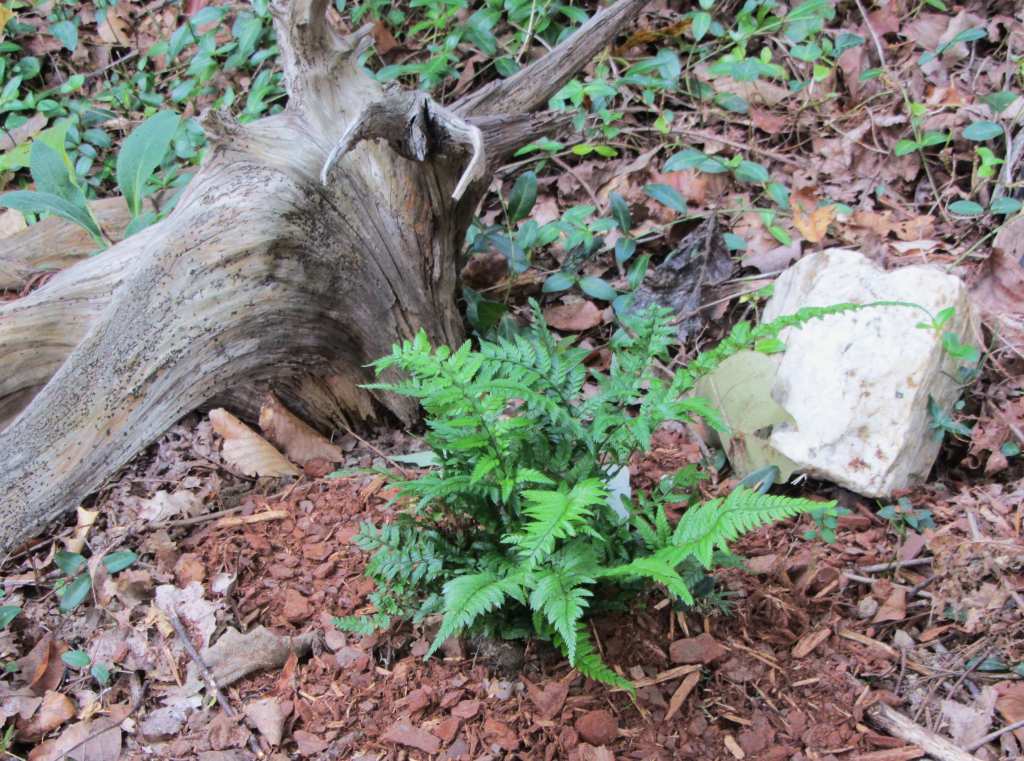

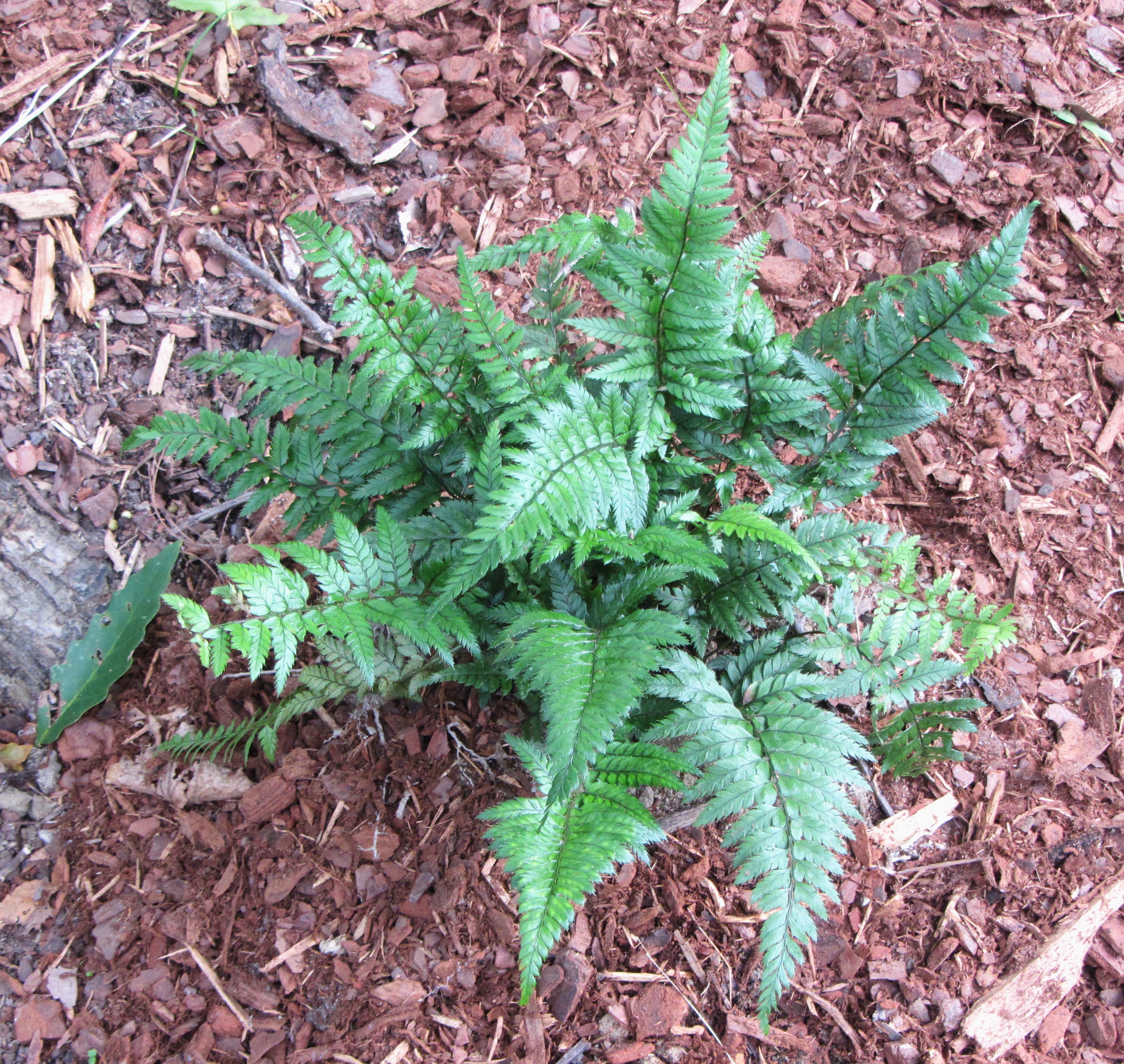
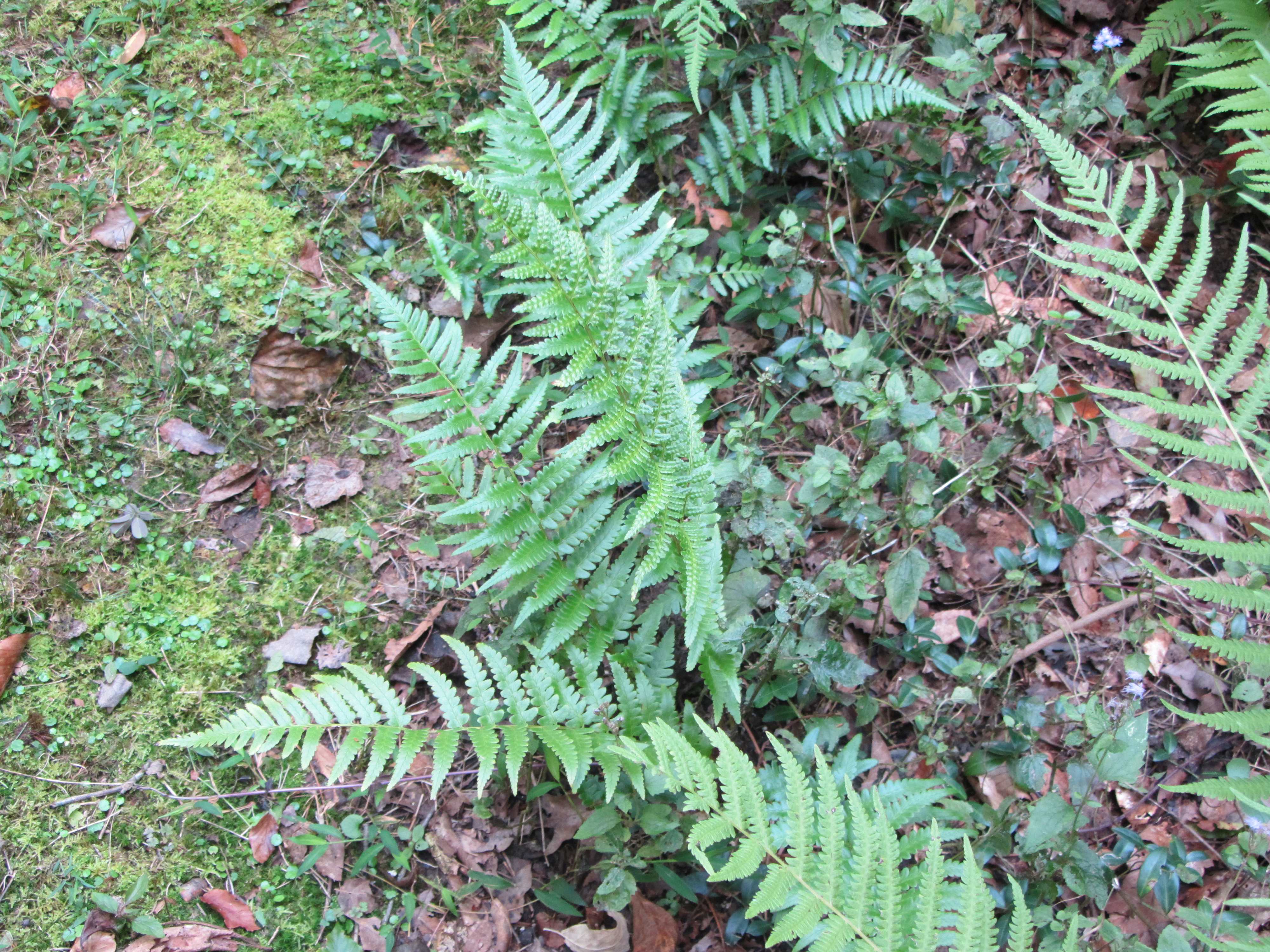

I was very disappointed with some of the ferns we planted last fall because they didn’t come back strong this spring. Climate really does matter when it comes to how plants respond and perform. Too much or too little whether light, heat, cold, moisture, pH, nutrients- you name it. Any of these factors out of balance can impact plant performance. D. labordei ‘Golden Mist’ didn’t do well at all. An Asian forest fern hardy in Zones 5-8, I still haven’t figured out why it didn’t thrive here. D. wallichiana ‘Jurassic Gold’ (Zones 6-8) also fizzled. At least I’ve since learned that D. wallichiana is a mountainous fern that prefers altitude and doesn’t perform well near sea level.
We expect cool, wet days at least through the weekend. With October on the horizon, we look forward to another month to six weeks of good gardening weather before autumn fades to winter once again. Flowers continue to bloom, pollinators visit, birds and squirrels prepare for cooler weather, and the sun, when it breaks through, feels a bit more gentle.
If you are looking for a satisfying and enlightening book to enjoy on these cool autumn evenings, you might find useful insights in John Michael Greer’s Mystery Teachings from the Living Earth: An Introduction to Spiritual Ecology. This unusual little book invites us to contemplate living systems on every level from smallest to largest to see how things naturally flow and balance. It shows how every system has its structural limits, which also determine its identity and its power. We need understanding on such a deep level to negotiate this moment and find a path to a sustainable future, together.
With appreciation to Jim Stephens of Garden Ruminations, who hosts Six on Saturday each week.

You might enjoy my series of posts, Plants I Love That Deer Ignore
 Our Forest Garden
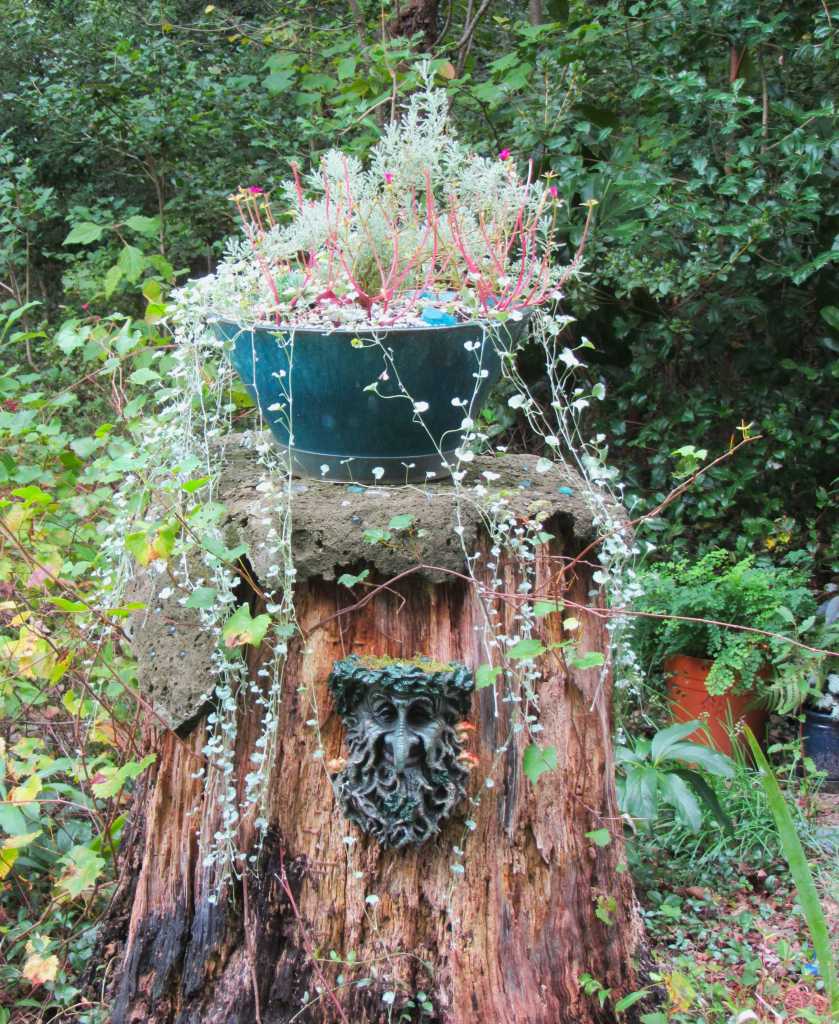
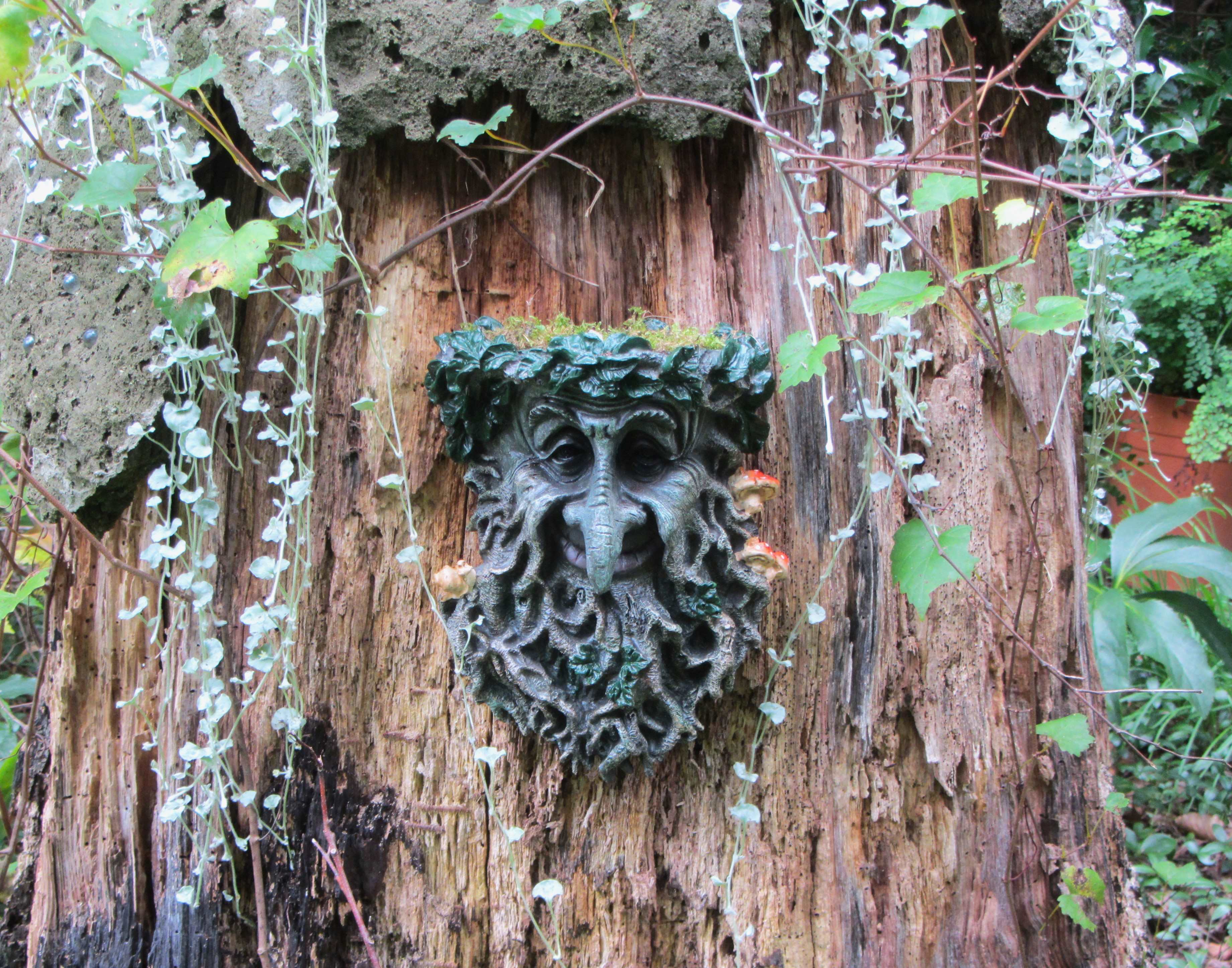
A lovely green man.
LikeLiked by 1 person
A very interesting reflection on climate degradation and how to manage it. Everyone at their own level must do something. For my part, I try to be self-sufficient in fruits and vegetables. Eating healthy products is already a good thing for our health. ( But I still buy cheese, eggs and meat… Even if in recent years it has decreased )
I replaced the gas car with an electric car unlike you, but it’s true that the batteries used will be a problem…
Love the green man too !
LikeLiked by 1 person
The Green Man has us totally charmed. We kept him in the sitting room with us until past the storm, but he fits that old stump so perfectly he looks like he has always ‘belonged’ here. I wish that like you, I could be self-sufficient in growing vegetables and fruits. On other properties I’ve grown quite a bit of what we eat- but haven’t found a way to do that here. Herbs escape the deer- and the figs above their reach ;-0. Thanks very much Fred-
LikeLiked by 1 person
Another informative and thoughtful post, E. Love the new green man!
LikeLiked by 1 person
Thanks, Eliza. We are enjoying him very much. As that stump degrades it needs a little more love. Hope that things are good with you and that you are still enjoying the rain, too. ❤ ❤ ❤
LikeLike
We’ve had another 2″ this past storm– the water table and reservoirs are full! This week forecasts sunny and 70s…I’ll enjoy that!
LikeLiked by 1 person
Yes, today is supposed to be sunny here, too. I think we are headed out to the Colonial Parkway. So happy that the water table and reservoirs are once again full. Now, we need to get a little rain over to the M. River, so they can come back to normal, too! Have a great week! Isn’t it interesting that our forecast look like it will be the same?
LikeLiked by 1 person
The beautyberry here bloomed, but were so late that the berries are only beginning to develop. I do not expect them to mature and develop color before the weather gets too cool for them to finish ripening, but I really do not know how fast they ripen. Some of their flowers are still blooming. Although they did not fill out like mature specimens, they seem to be as tall as mature specimens while still standing up. I gave them a bit of support so that they would not flop onto adjacent plants. As they get more space for themselves next year, they can assume their natural form. Also, the white butterfly ginger seemed to accelerate growth later in the season, instead of decelerate. I suspect that the largest canes may bloom before winter!
LikeLike
I drove a hybrid for 17 years. I never had to get a new battery, although now you can get recycled ones. I donated it and got an EV last May. I highly recommend an electric car. I don’t drive a lot, but it’s wonderful to be forever free from gas and know I’m not polluting. I read that the cars that catch fire the most are gas powered, followed by plug-ins and then EVs. The number of EV fires are actually negligible, despite all the news about Teslas.
LikeLiked by 1 person
That is good to know. Thank you for that great information. I guess it has just been in the news here lately, especially after EVs exposed to flood waters spontaneously caught fire because of how the flood waters affected the battery. It is great to hear of someone having a really good experience with both hybrids and EVs.
LikeLike
We’ve had plenty of flooding, but I’ve never heard anything about EV batteries catching fire from them. Be aware where you get your info from. I had to wait a year before I got my hybrid so I had plenty of time to learn about them. You wouldn’t believe the nonsense I heard about hybrids. Most people are invested in gas and are willing to make up outrageous lies about something they know nothing about.
LikeLiked by 1 person
Actually- our information came from watching mainstream news covering the efforts of firefighters to put out fires in EV cars. It has happened locally as well as around the country. Eleven EVs caught fire in Florida during Hurricane Ian last year, most because salt water flooding damaged their batter packs. More info here: https://www.usatoday.com/story/money/cars/2022/10/26/electric-vehicle-fires-florida-flooding-what-happened/10553207002/
LikeLiked by 1 person
I looked up EV fires too and found a similar USA article. I hadn’t heard anything about EV battery fires. Apparently, Florida has the most electric cars. I was impressed that so few caught fire.
LikeLike
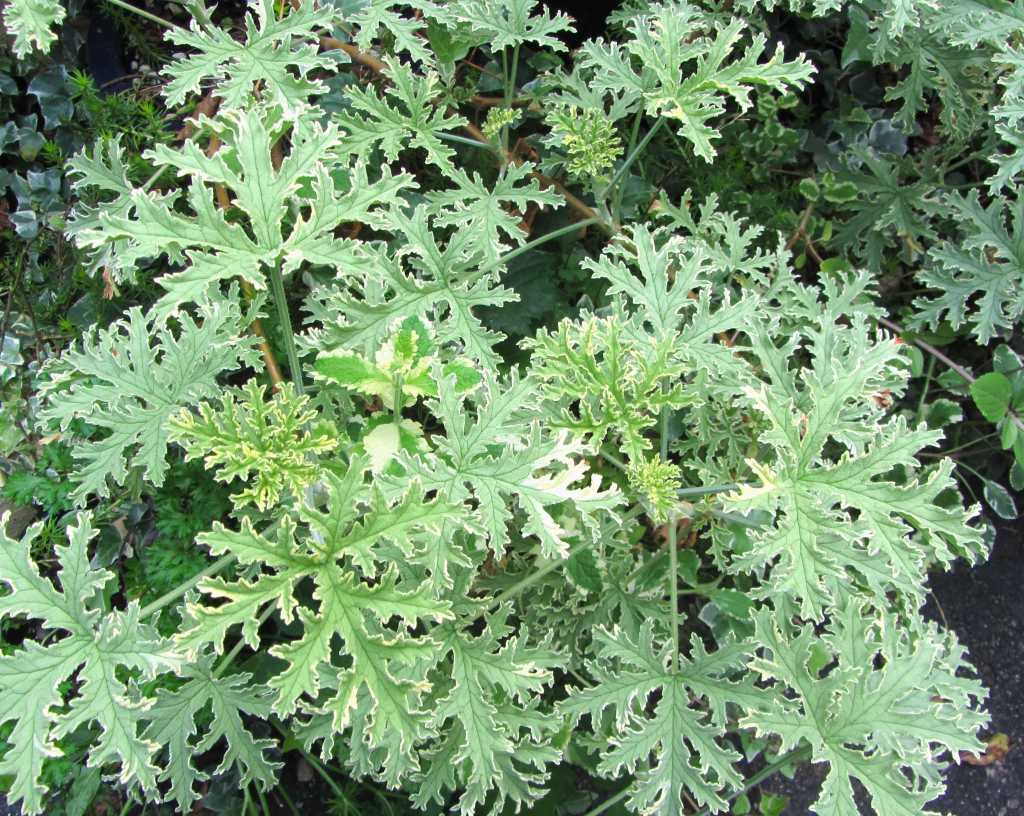
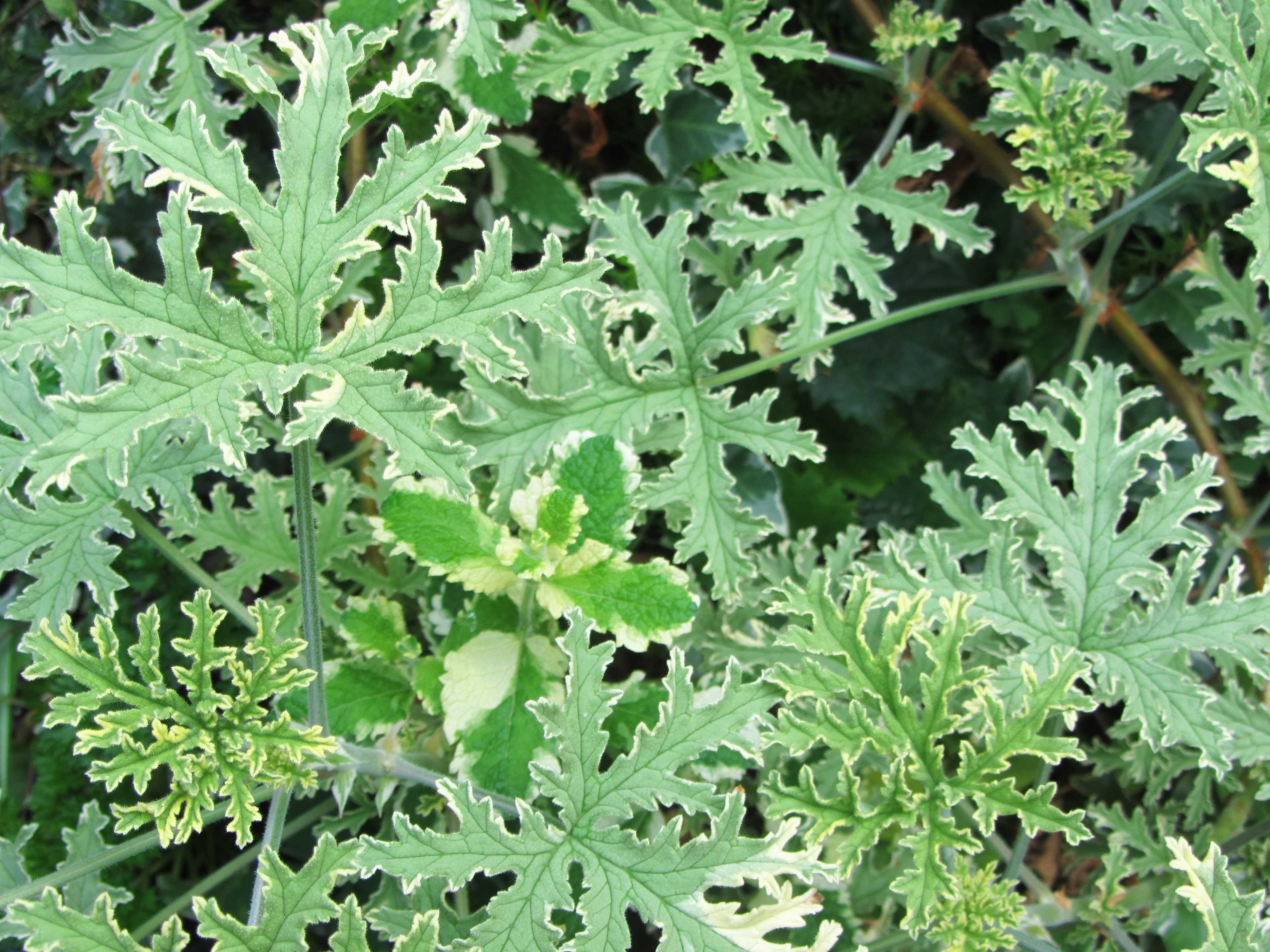
You had me looking up beautyberry again after you mentioned the different varieties. I’d written them off initially because the American one is borderline for us. I’m excited to see that there are some that actually would work in our climate! Also, I’ve been looking for that pineapple mint all year with no luck. Maybe next spring.
LikeLiked by 1 person
Good luck with finding the pineapple mint next year, Angela. Like the S. leucantha, Mexican sage, it can be challenging to find. It does start easily from seed if you can order seeds. The beautyberry also grows easily from seed. It turns up all sorts of places where birds have dropped the seeds, in our garden. The Asian variety is much neater and the berries are just as bright. Good luck in finding some ❤ ❤ ❤
LikeLiked by 1 person