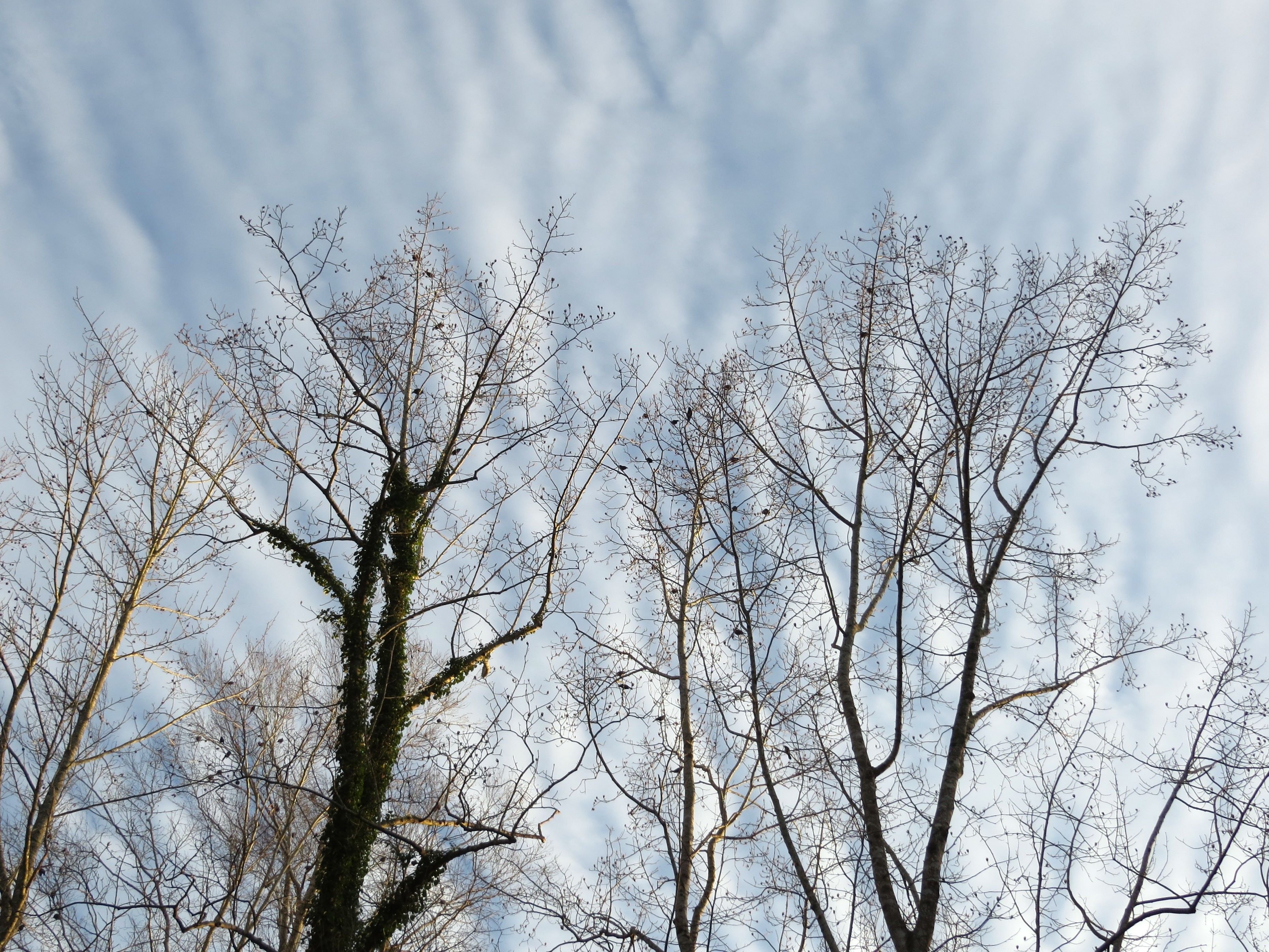
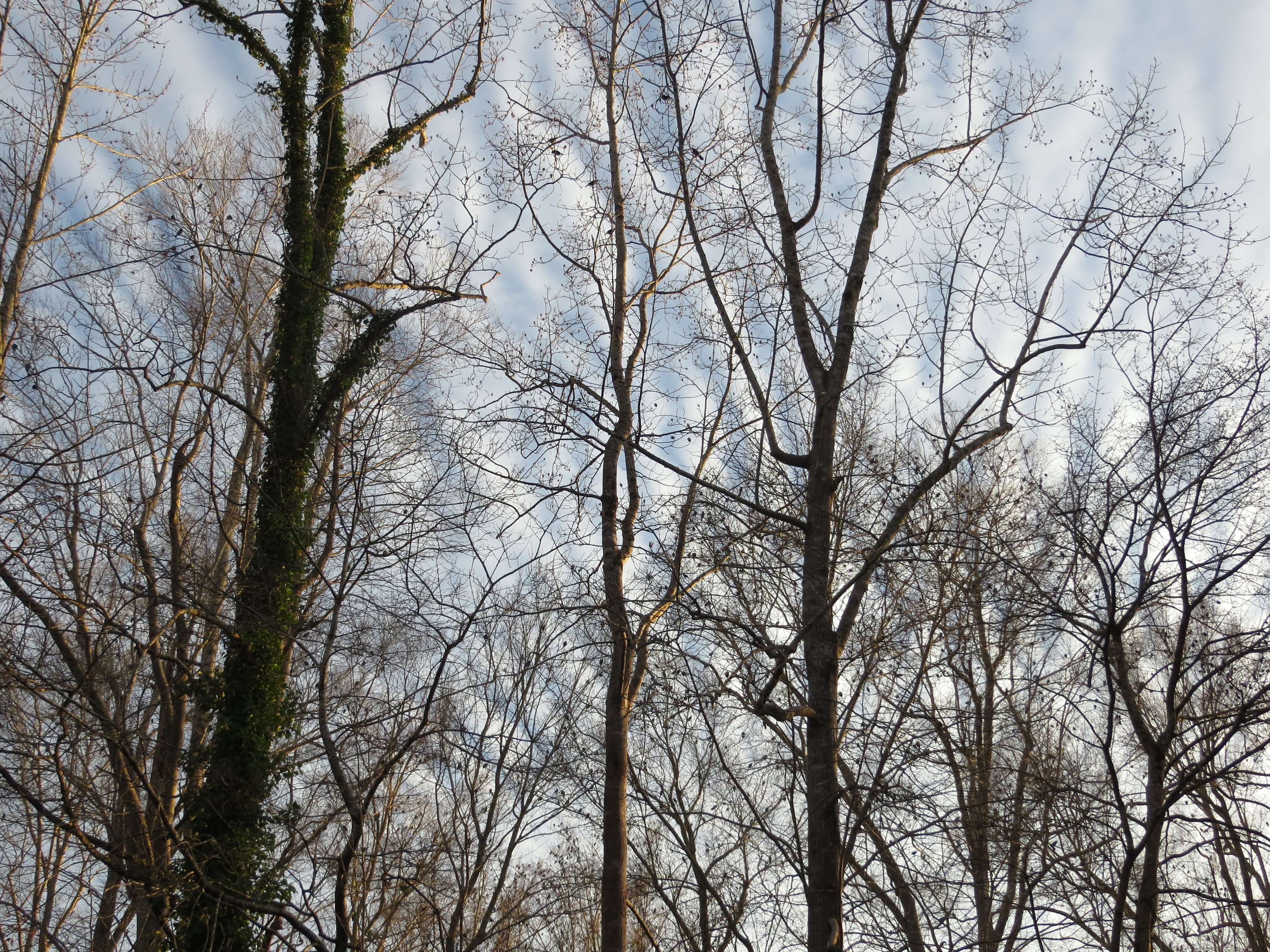
The ice has melted, finally, and we have enjoyed some much more comfortable days this week. It has been warmer and wetter; a gentle, steady rain penetrated the frozen ground even as blankets of soft mists and fog wrapped our garden in their protective embrace. We feel spring’s approach as Persephone makes her way back to the land of the living from Hades’s domains, where she has been held captive for these past few chilly months.
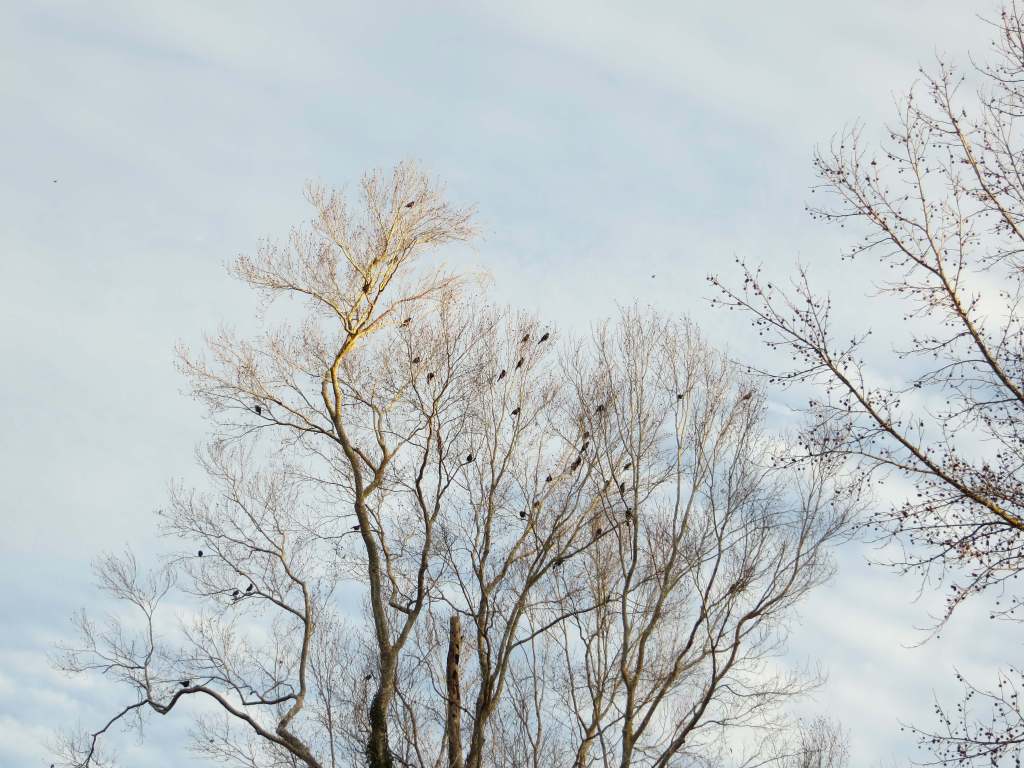
The birds feel it, too. Huge flocks of birds, probably starlings, call to one another as they move from tree to tree around us. They settled for a while in the ravine behind us, near the little lake, and then when something startled them, they lifted as one and took flight across our yard.
They were particularly vocal an hour before sunset on Friday. The rain and fog had finally lifted as sun peaked through the clouds in the afternoon. The setting sun was already casting a golden, if weakened light against the bare trunks and branches of our trees and this tremendous flock of birds was moving restlessly between our yard and our neighbors’ trees. I tried to photograph them in flight, but perhaps the fading light was already too weak to catch all but those resting for a moment in a tree.
Asian, or Lunar New Year came with the new moon on Tuesday, amplified by a solar eclipse. Ramadan began at sundown on Tuesday, as did Lent. These are times of change. This is the year of the Fire-Horse, a new year destined to bring swift, unexpected, and dramatic change. The last year of the Fire-Horse was 1966, sixty years ago. Do you remember what a momentous year that proved to be? If you don’t remember, perhaps you read about it in school.
We can expect the unexpected to manifest in the most remarkable ways this year. And that can be good, or bad, depending on how we choose to tell ourselves the story. Because it is always our own interpretation of what happens that shapes our experiences, isn’t it?
My own Fire-Horse moment came on Wednesday. It came as a shock, perhaps vaguely anticipated, but also like a bolt of lightening, seemingly out of the blue. And while the exact circumstances are still unclear, the results free up that portion of my time and energy that I have still been devoting to some volunteer work. I was involved with a volunteer organization for the past eight years, made some wonderful friends, and had useful learning opportunities. Now that my obligations to that group are finished, I feel great relief. I feel even more energized to move forward with my own work. All endings are also beginnings, aren’t they?
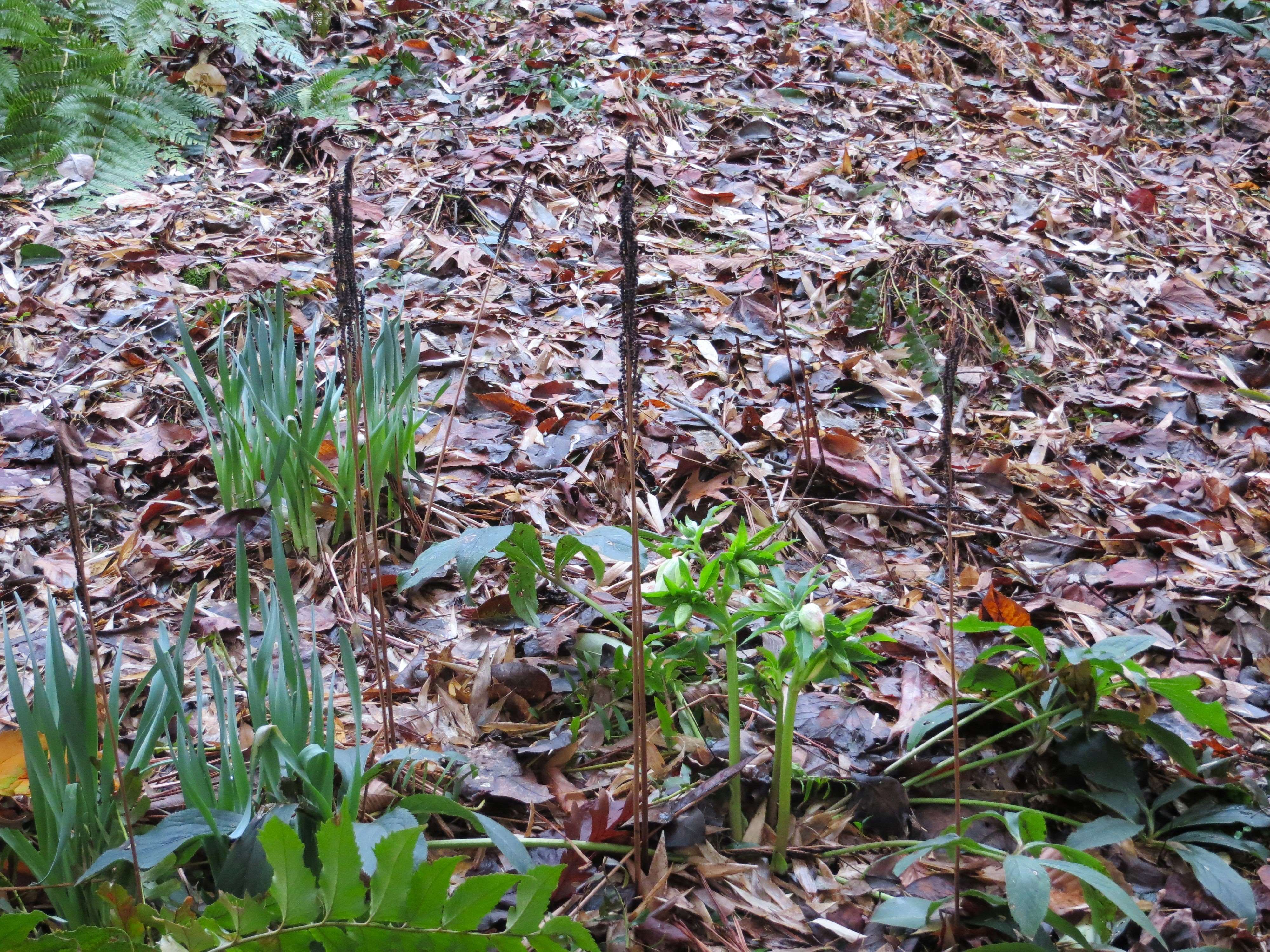
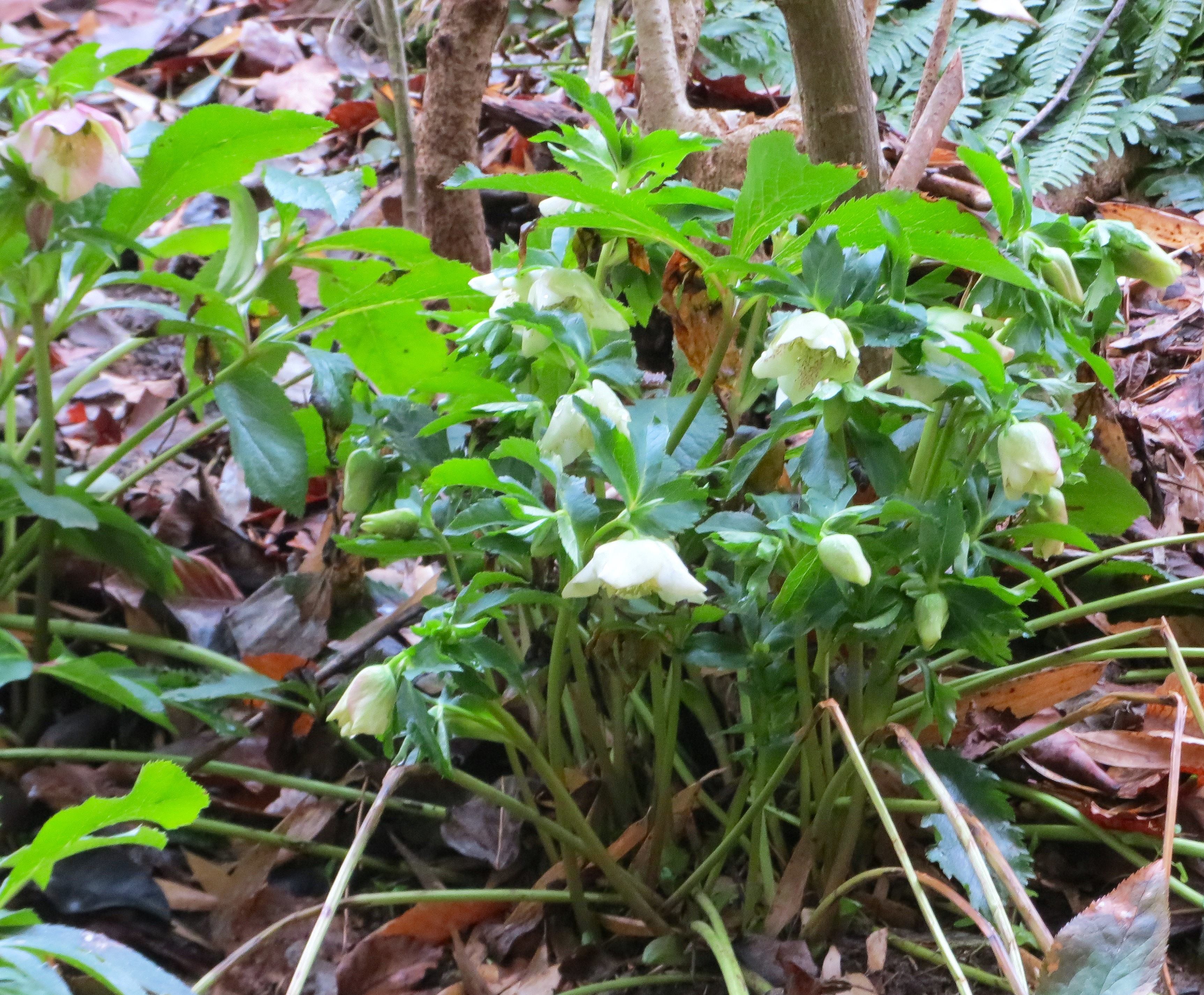
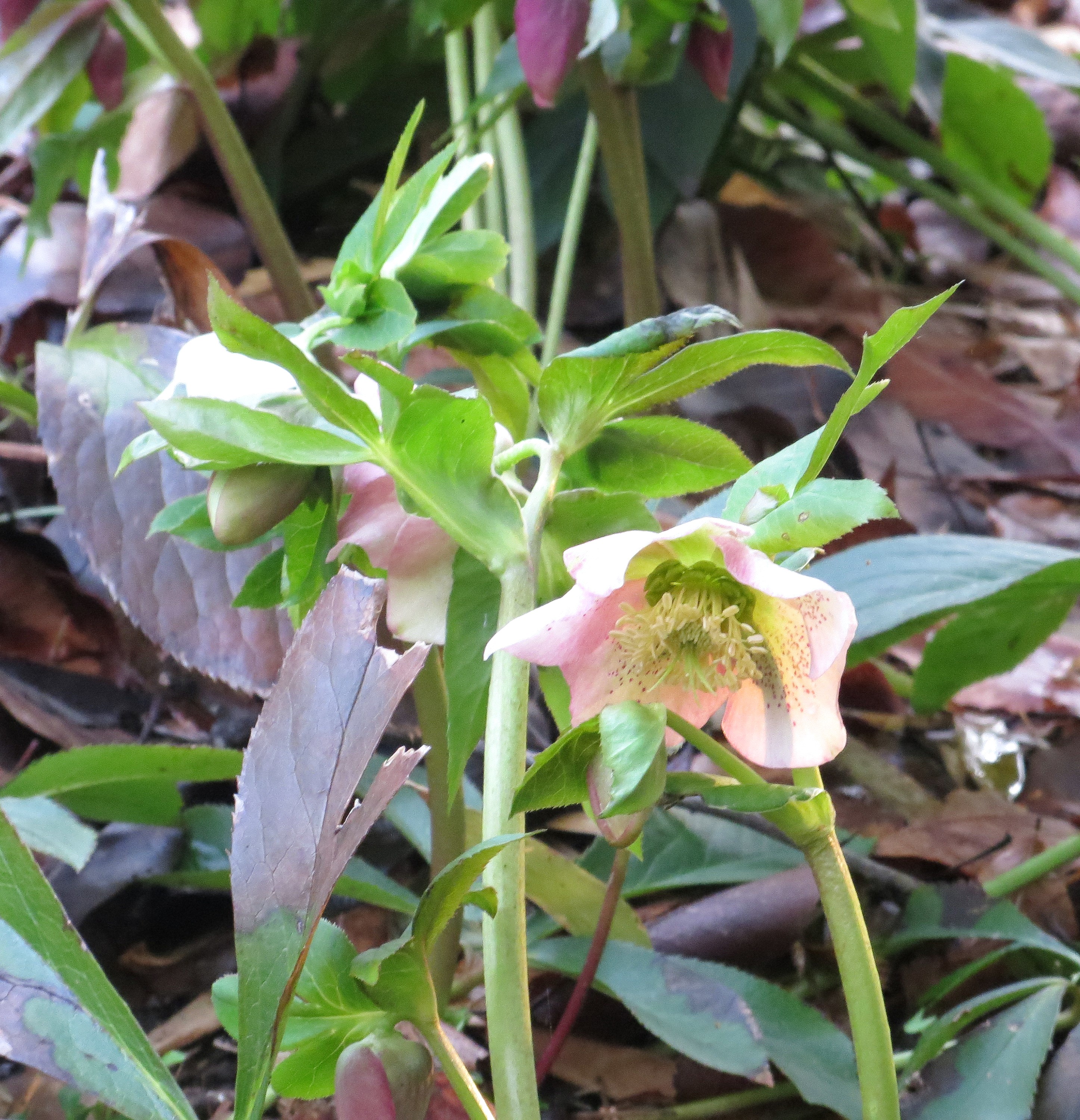
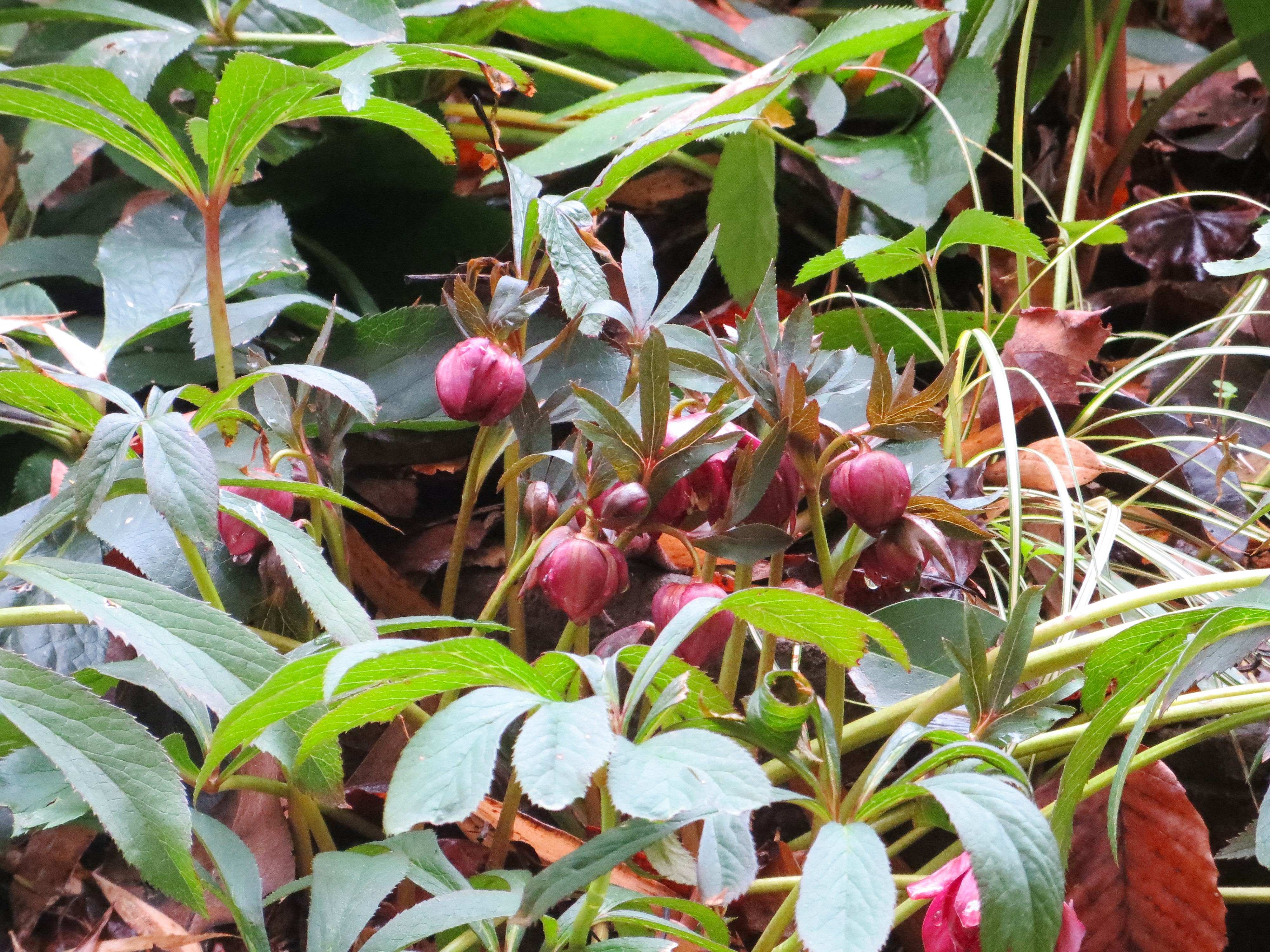
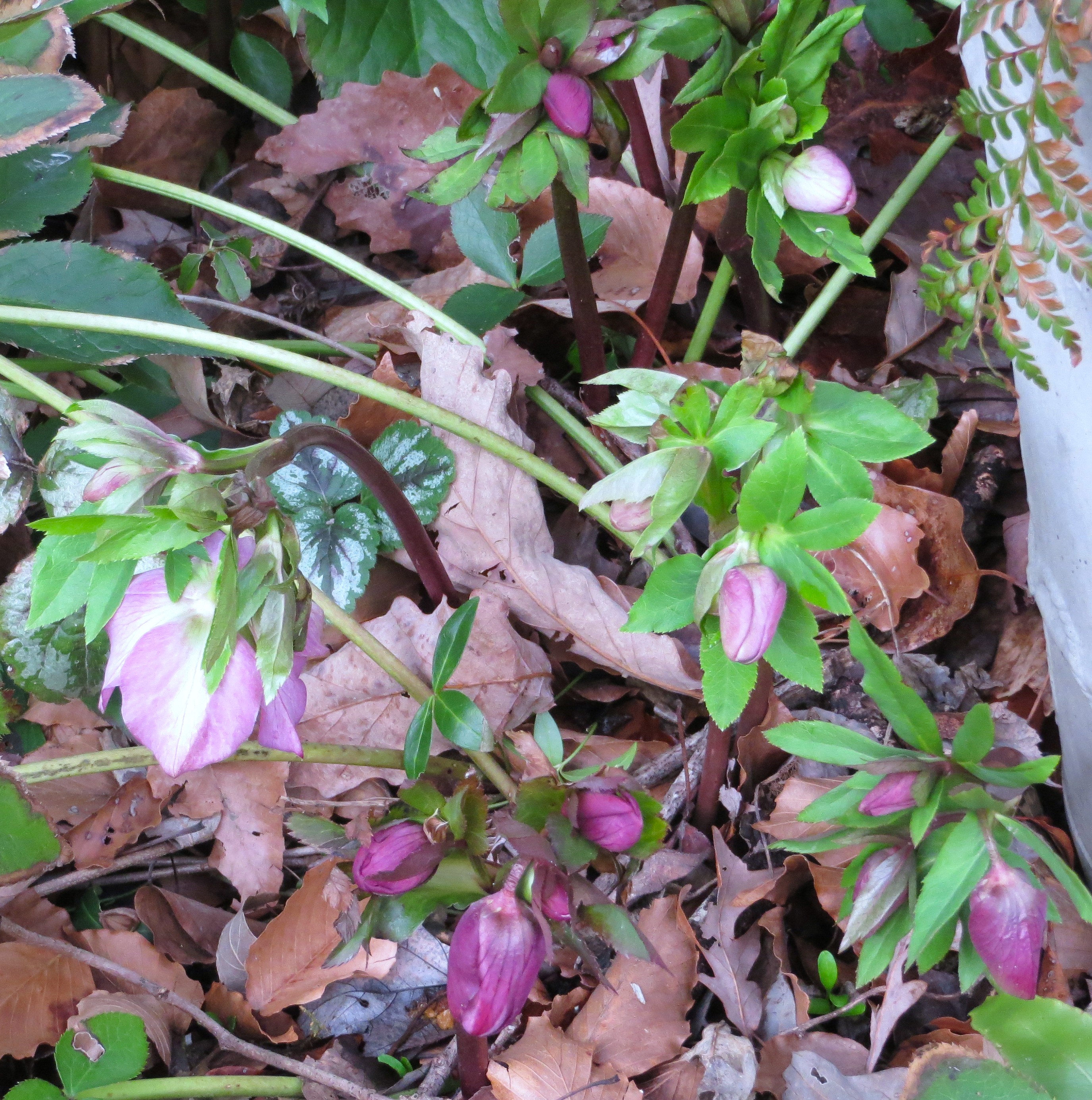
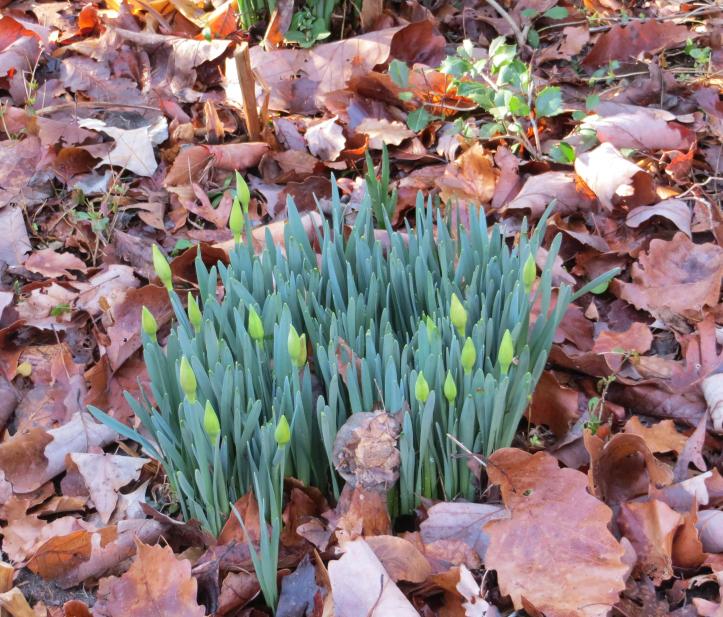
It has been too wet to work outside this week. The ground is saturated. The rain returns tomorrow, and then more cold weather with snow forecast again on Monday. Every time I walk outside I see things that need doing in the garden, like cutting back old Helleborus leaves, pruning shrubs, picking up fallen sticks, and pulling fallen leaves out of containers and away from emerging bulbs.
The spring to-do list is always a long one. There must be a good reason that the weather has kept me from doing much spring clean-up this month. And looking closely at the emerging plants, I realize that they still need that protection from leaf mulch and their own, older leaves. Pruning too early can lead to die-back when the new growth pruning stimulates is caught in a late freeze. Timing is everything when it comes to caring for plants, pets, and children, isn’t it?
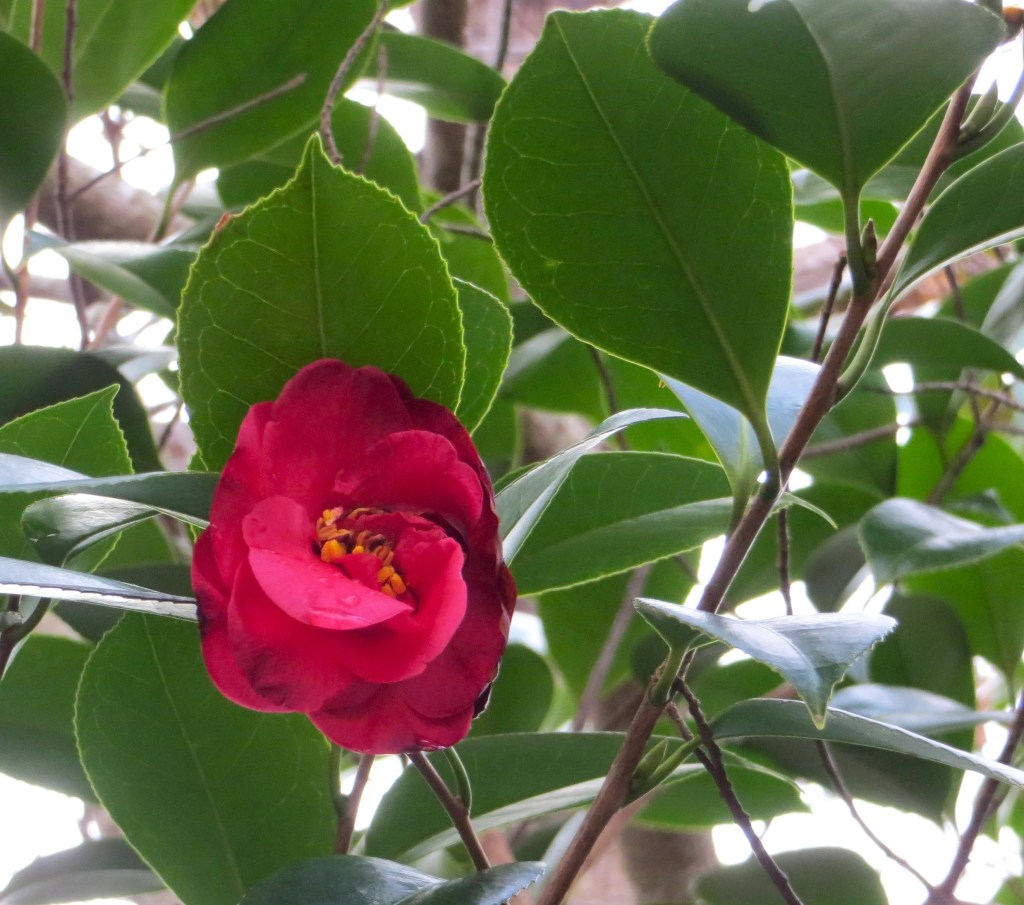
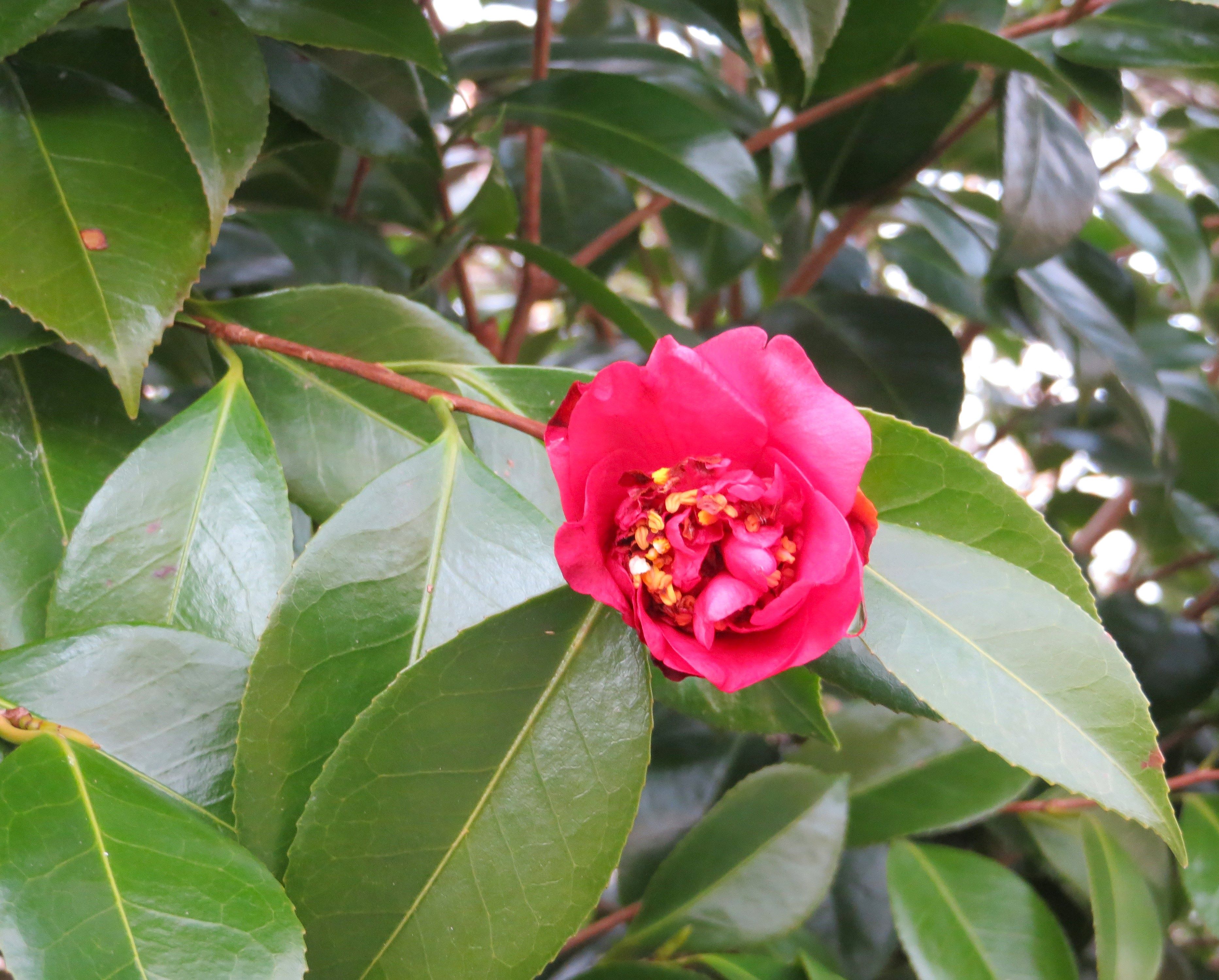
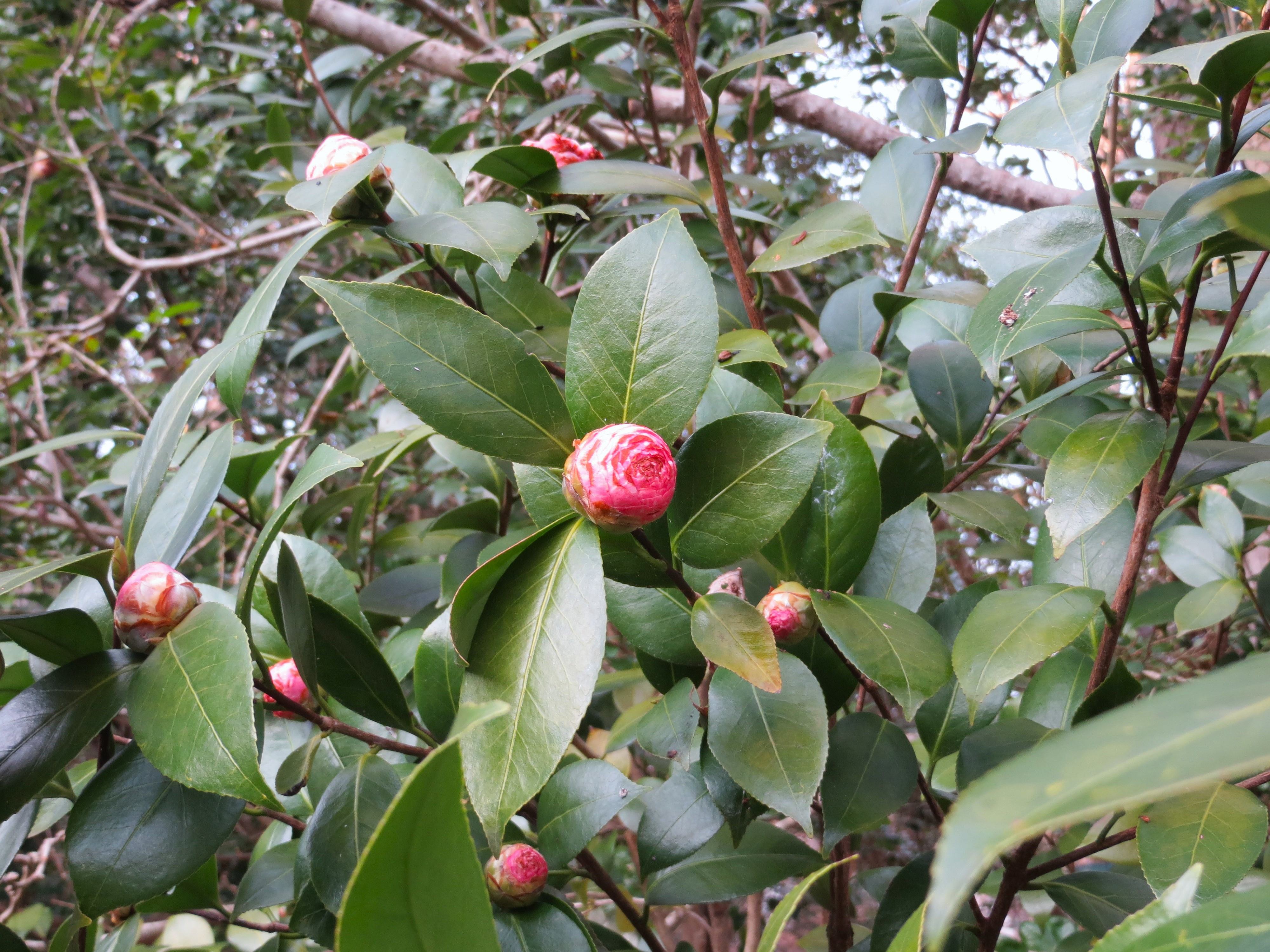
A few of our Camellia japonicas have begun to break bud, but those buds also show frost damage. Buds are swelling on the trees, and hazelnut catkins swing from their branches with every breath of a breeze. Some of the newest snowdrops just bloomed this week, and I found the first little Iris retuculata blooming under one of our potted olive trees. Those trees are well sheltered and seem to have survived this winter’s unusual cold. We found a few early Crocus blooming yesterday afternoon on the shoulder of the street that runs behind us. They are a welcome sight and a harbinger of changes to come.
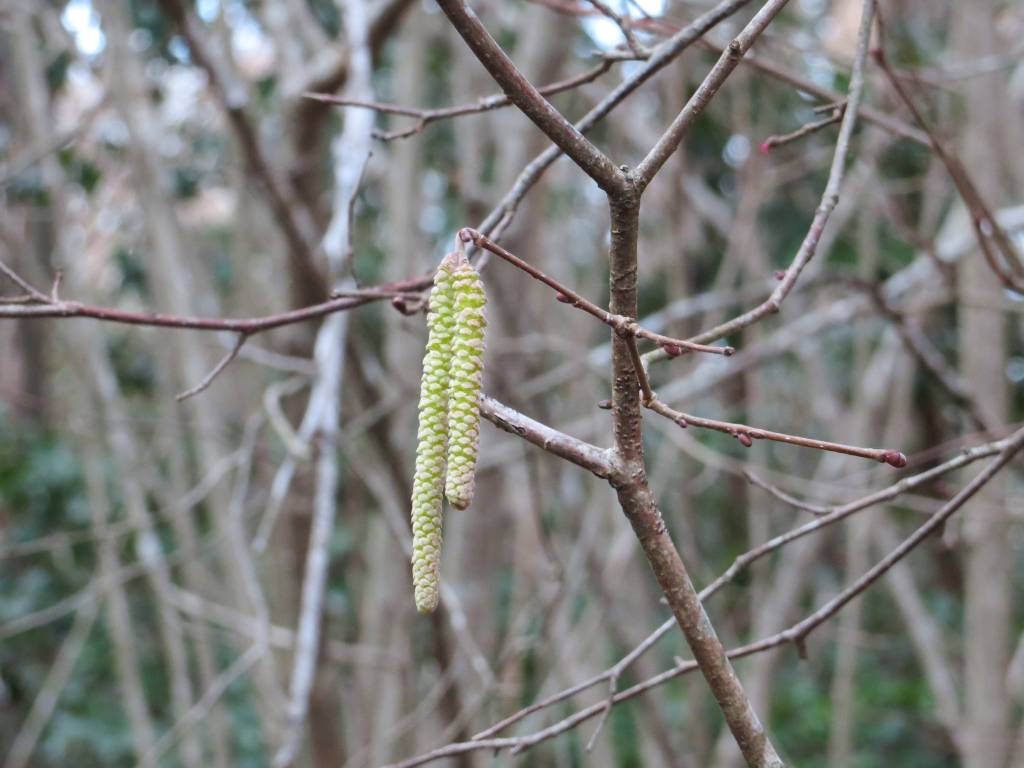
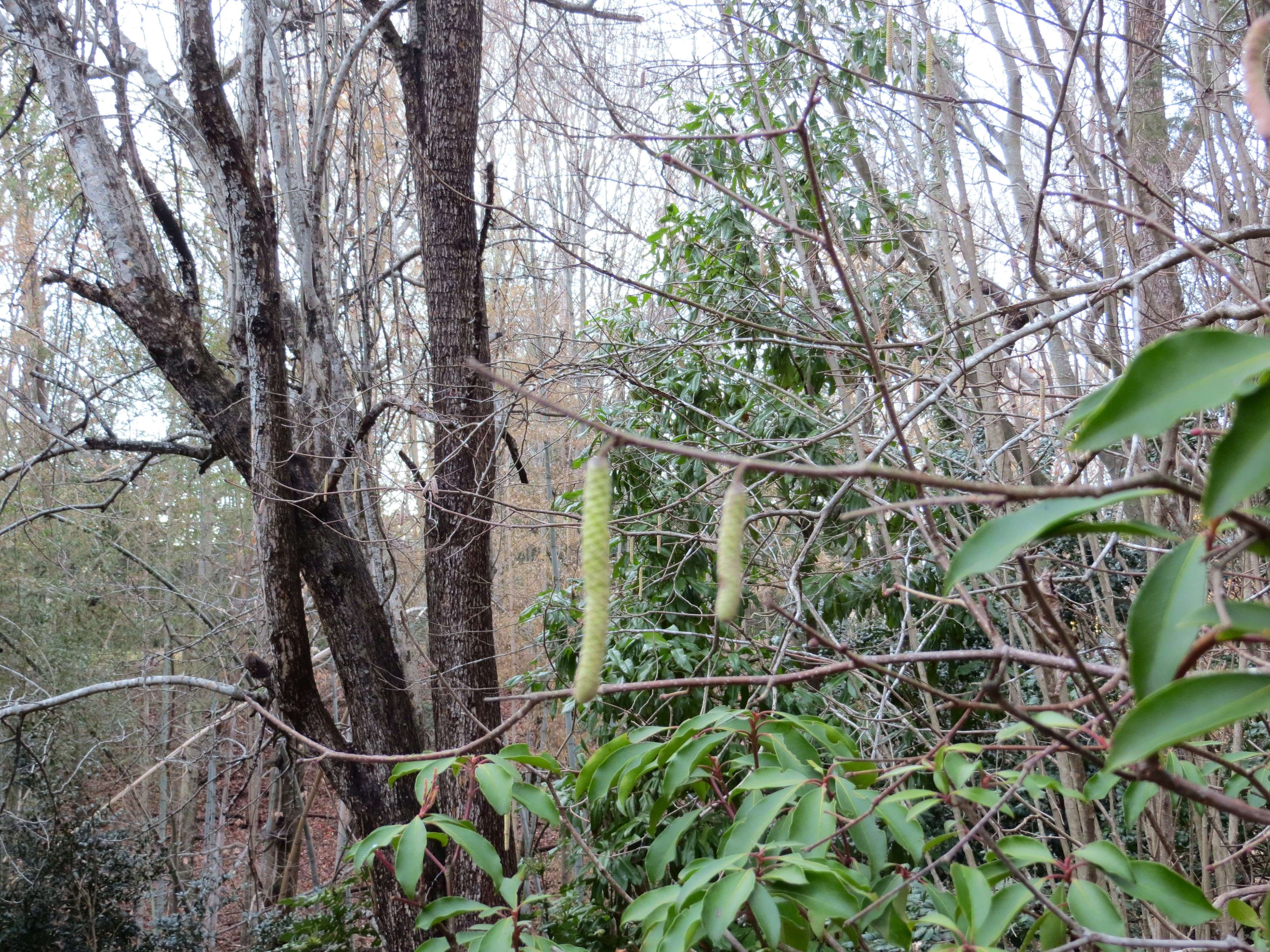
There is very little new to share in a Six on Saturday post this week as the garden is awakening very, very slowly. Perhaps we should take a lesson from nature, and get as much rest as we can while we can. Life in the garden will speed up quickly over these coming weeks as spring takes over and banishes winter for another year.

With appreciation to Jim Stephens of Garden Ruminations,
who hosts Six on Saturday each week.


The second photo is really unique because it looks like the trees are resting on the snow. But they’re actually clouds! A very pretty effect.
LikeLiked by 1 person
Isn’t that an interesting sky? We saw cloud patterns here yesterday that are very unusual and I was glad to capture a little of them with the birds.
LikeLiked by 1 person
Do the hazelnuts produce many edible nuts, or do birds get them first? Eastern hazelnuts are different from Western hazelnuts, and probably more productive in cultivation. I got some here that I grew from seed, but I do not know what to expect from them.
LikeLiked by 1 person
Tony, the squirrels get to the nuts before they ripen. I haven’t eaten a single hazelnut from our own trees, although they are very productive. Like the beechnuts, we mostly get left with the husks…. Do you mean that you are growing Eastern hazelnuts from seeds?
LikeLiked by 1 person
Yes; the Eastern hazelnuts are just starting out. The native Western hazelnuts are small and scarcely productive. I sort of expect squirrels to take the nuts if the Eastern hazelnuts make any, but I want to try growing them anyway. They are grown from seed, so are not cultivars.
LikeLiked by 1 person
They are strikingly beautiful all through the winter as their catkins grow. I could put nets on our trees as the nuts ripen, but have never tried to do so. They are fast growers so you’ll get to watch them mature quickly.
LikeLiked by 1 person
Netting is more trouble than it is worth. Stems grow through the netting, so it is impossible to remove the net intact.
LikeLiked by 1 person
Yep- learned that on some young holly trees one of our volunteers insisted on covering with netting to try to foil the grazing deer. What a huge mess to cut those nets away!
LikeLiked by 1 person